Aluminum Cladding Systems Guide
When people search for aluminum cladding systems, they usually do not just want a list of benefits. They want to know which system to choose, how thick the panel should be, what affects the price, and what details can cause leaks, deformation, fire approval problems, or expensive rework on site.
This guide is written for buyers, contractors, architects, and project managers who need to compare aluminum facade cladding in a practical way. The main point is simple: do not buy panels only by square meter price. Buy the right wall system for the building condition.
1. First Decide What the Wall Must Do
Before comparing aluminum cladding types, define the job of the wall. A decorative shopfront, a school, a hospital, a high-rise, a coastal hotel, and a warehouse should not use the same decision logic.
| Project condition | What the buyer should care about first | Common mistake |
|---|---|---|
| Low-rise retail or storefront | Appearance, cost, simple installation, color consistency | Choosing a complicated cassette system when simple panels are enough. |
| School or public building | Impact resistance, cleaning, fire documents, long service life | Looking only at the lowest sheet price. |
| High-rise facade | Wind load, fire barriers, fixing design, panel stiffness | Using thin panels without checking deflection or fixing layout. |
| Coastal project | Coating, fasteners, corrosion resistance, drainage | Using ordinary hardware that may corrode quickly. |
| Renovation project | Weight, existing wall condition, adjustability, installation access | Ignoring uneven old walls and bracket adjustment needs. |
A useful supplier should ask these questions before quoting. If the quote arrives without asking about building height, location, finish, panel size, fire requirements, or installation scope, the price may be incomplete.
2. Choose the System Type, Not Just the Panel Name
Aluminum cladding can be built in several ways. The visible panel may look similar from the street, but the fixing method behind it can be very different. This affects cost, speed, appearance, and maintenance.
| System type | How it works | Best for | Watch out for |
|---|---|---|---|
| Cassette panel system | Panels are folded on the edges and fixed to rails or brackets. | Commercial facades that need clean joints and better flatness. | More fabrication work, more accurate drawings, and higher packing control. |
| Face-fixed panel system | Panels are fixed through the front or with visible fasteners. | Industrial buildings, simple walls, budget-sensitive areas. | Visible screws may not suit premium facades; water details must be clear. |
| Rainscreen cladding | Panels sit outside a ventilated cavity with drainage behind. | Projects that need better moisture control and long-term wall performance. | Requires proper cavity, fire barriers, waterproof layer, and drainage design. |
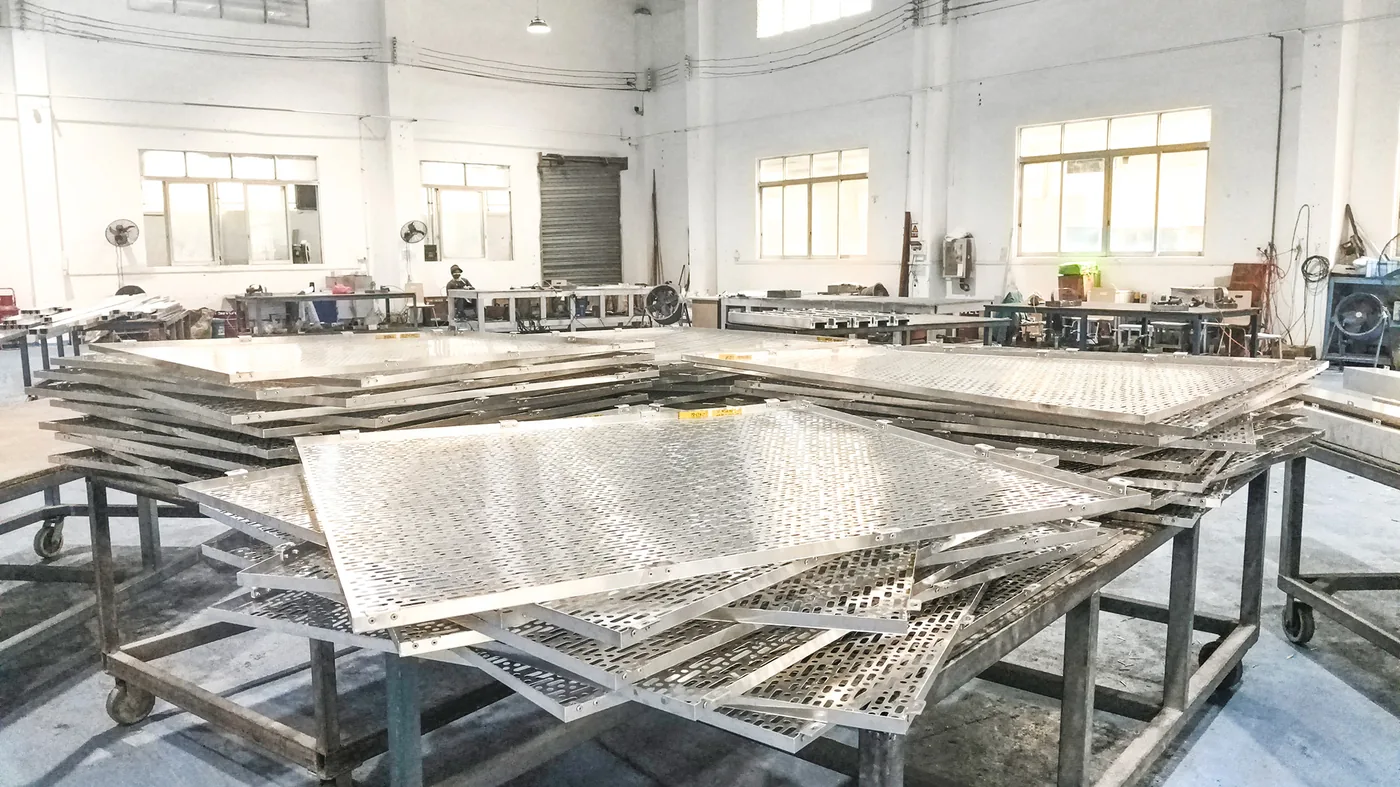
| Perforated screen system | Panels act as a screen for airflow, shading, or decoration. | Parking garages, sunshade zones, facade screens, equipment covers. | Hole pattern changes strength, wind load, visibility, and price. |
| ACP / ACM cladding | Composite panel with thin aluminum skins and a core. | Suitable low-rise or simple facade areas where code allows. | Core type, fire approval, edge sealing, and impact resistance. |
If your drawing only says “aluminum cladding”, ask whether the supplier is quoting cassette panels, flat sheets, ACP, perforated screens, or a full rainscreen system. These are not the same scope.
3. Practical Panel Thickness Guidance
There is no single correct thickness for every aluminum cladding system. Thickness depends on panel size, alloy, edge folds, stiffeners, fixing spacing, wind load, and whether the panel is flat, curved, or perforated. Still, buyers can use the table below as a practical discussion starting point.
| Typical use | Common thickness discussion | Practical comment |
|---|---|---|
| Small decorative panels | About 2.0 mm to 2.5 mm solid aluminum | Can work when panel size is small and fixing is close, but check flatness. |
| Standard commercial facade panels | About 2.5 mm to 3.0 mm solid aluminum | Often used when the facade needs better stiffness and cleaner appearance. |
| Larger panels or stronger facade zones | About 3.0 mm to 4.0 mm solid aluminum | May need stiffeners, stronger brackets, and better packing to avoid damage. |
| Perforated panels | Depends on hole size and open area | More open area usually means lower stiffness. Pattern and edge frame matter. |
| ACP / ACM panels | Often specified by total panel thickness and core type | Do not compare ACP thickness directly with solid aluminum thickness. |
Do not treat thickness as the only strength factor. A 3.0 mm panel with weak fixing can perform worse than a better-designed system with proper folds, stiffeners, and bracket spacing. Ask the supplier how the panel will be fixed and whether large panels need stiffeners.
4. The Hidden Cost Items in Aluminum Cladding
The cheapest quote is often cheap because it leaves things out. For aluminum facade systems, the final cost is affected by panel fabrication, coating, accessories, drawings, packing, shipping, and installation support.
| Cost item | What changes the price | Question to ask |
|---|---|---|
| Panel fabrication | Panel size, folds, welding, curves, perforation, waste rate | Are all panels flat, or are there many custom shapes? |
| Coating | PVDF, powder coating, anodizing, wood grain, stone grain, custom color | Is the finish suitable for sun, salt, pollution, and cleaning? |
| Subframe and accessories | Rails, brackets, screws, anchors, sealant, insulation interfaces | Is the quote panel-only or complete with accessories? |
| Shop drawings | Panel numbering, joint layout, bracket layout, installation sequence | Who is responsible for shop drawings and revisions? |
| Packing and export | Protective film, corner protection, wooden cases, loading plan | How will finished coated panels be protected during shipping? |
For a fair comparison, ask each supplier to quote the same scope. A panel-only quote should not be compared with a system quote that includes brackets, drawings, packing, and installation guidance.
5. Fire, Water, and Wind Questions to Ask
Most facade problems come from details, not from the word “aluminum”. A panel can look fine in a catalog but fail the project if the wall assembly is not planned correctly.
- Fire: Ask what material is being used, whether fire documents are available, and whether the local code reviews the full wall assembly.
- Water: Ask whether the system uses sealed joints, open drained joints, or rainscreen drainage. The answer affects waterproof layers and installation details.
- Wind: Ask how panel size, bracket spacing, edge folds, and stiffeners are selected for the building height and location.
- Movement: Ask how the system handles thermal expansion. Long aluminum panels need room to move.
- Corrosion: Ask about coating, fasteners, and separation between different metals, especially in coastal areas.
If the project is a high-rise, hospital, school, public building, airport, or coastal building, these questions should be answered before the order is placed, not after installation starts.
6. Finish Selection: Do Not Pick Color Alone
The finish controls how the facade looks after years of sun, rain, cleaning, and pollution. A color sample may look good on day one, but the coating system decides how it performs later.
| Finish option | Useful when | Buyer note |
|---|---|---|
| PVDF coating | Exterior facades with stronger weather-resistance needs | Often chosen for commercial exterior aluminum panels. |
| Powder coating | General architectural panels and many color choices | Check outdoor grade, warranty, and project environment. |
| Anodized finish | Metallic appearance and surface hardness | Color consistency and batch control should be discussed early. |
| Wood grain or stone grain | Decorative facades where natural material look is needed | Ask for sample approval and batch consistency. |
| Mill finish or primer | Only when further processing or coating is planned | Usually not the final appearance for exposed facade panels. |
For more detail on coating and facade material choices, see aluminum facade materials. For budget planning, see the aluminum exterior wall panel cost guide.
7. What a Useful Supplier Quote Should Include
A useful quote should make the scope clear. If two suppliers quote different scopes, the lower number may not actually be cheaper.
| Quote item | Minimum detail to request |
|---|---|
| Panel material | Solid aluminum, ACP/ACM, honeycomb, perforated panel, or other type. |
| Thickness and alloy | Panel thickness, alloy grade if required, and stiffener requirement. |
| Finish | Coating type, color code, gloss, sample approval, and warranty if available. |
| Fabrication scope | Cutting, bending, welding, perforation, curved panel work, panel numbering. |
| Accessories | Whether brackets, rails, screws, anchors, sealant, or installation drawings are included. |
| Packing | Protective film, foam, corner guards, wooden cases, pallet or container plan. |
| Lead time | Time for drawings, sample approval, production, coating, packing, and shipping. |
If the supplier cannot explain these items, the project may face change orders later. This is especially important for export projects where replacing damaged or wrong panels is slow and expensive.
8. Factory Checks Before Ordering
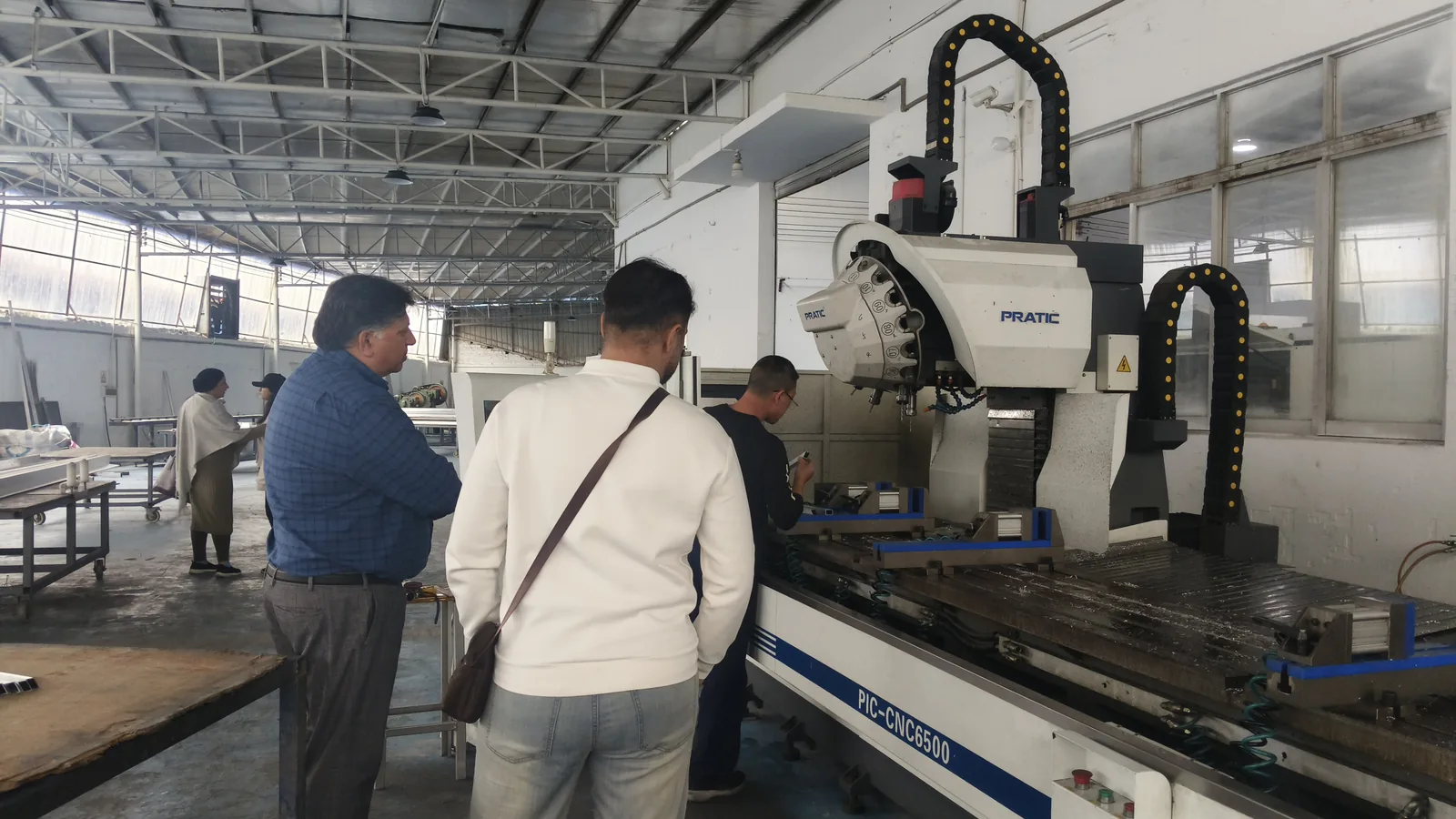
For custom aluminum cladding systems, factory capability matters. The factory needs to read drawings, control tolerances, fabricate consistent panels, label them correctly, protect the coating, and pack for the project sequence.
Likton Metal is based in Lushi Town, Foshan, Guangdong. The factory covers about 20,000 square meters and has more than 10 years of experience in aluminum facade panels. The production team has more than 100 members and uses 27 sets of CNC equipment, including PRATIC PIC-CNC6500, Yawei laser cutting equipment, and Deratech folding equipment. Products have been exported to more than 30 countries, including the USA, UK, Australia, Saudi Arabia, and the UAE.
- Ask for project photos: completed facade photos are more useful than generic product renderings.
- Ask for sample panels: check color, gloss, edge fold, coating, and surface quality before mass production.
- Ask how panels are labeled: wrong panel sequence can slow installation.
- Ask about quality inspection: dimensions, coating, color difference, and packing should be checked before shipment.
9. What to Send for an Accurate Quote
You do not need perfect drawings to start a discussion, but the more specific the information is, the more reliable the quote will be. Send the items below when possible.
| Information | Why it helps |
|---|---|
| Facade elevation drawing | Shows total area, panel zones, openings, and project scale. |
| Panel module or reference size | Helps estimate waste, thickness, stiffeners, and packing. |
| Building location | Helps judge coating, corrosion, wind, and local code needs. |
| Target panel type | Solid aluminum, ACP, perforated panel, honeycomb, or screen panel. |
| Finish requirement | Color code, PVDF, powder coating, anodized, wood grain, or sample reference. |
| Performance requirement | Fire documents, wind load, corrosion resistance, acoustic, or insulation needs. |
| Site photos or design references | Useful when drawings are not complete yet. |
If you only have a concept image, send it anyway. A practical supplier can help turn the idea into a panel type, finish suggestion, and quotation scope. Later, the project still needs shop drawings before production.
FAQ About Aluminum Cladding Systems
What is the most important thing when choosing aluminum cladding?
The most important thing is matching the system to the building condition. Building height, wind load, fire rules, climate, panel size, coating, and installation method matter more than the panel name alone.
Is a thicker aluminum panel always better?
No. Thickness helps, but it is not the only factor. Edge folds, stiffeners, bracket spacing, panel size, and fixing method also affect stiffness and performance.
What is the difference between solid aluminum panels and ACP?
Solid aluminum panels are metal panels made from aluminum sheet and are often used for stronger custom facades. ACP or ACM panels have aluminum skins with a core. ACP can be economical in suitable areas, but core type and fire requirements must be checked. For more detail, read ACP vs ACM.
Why do aluminum cladding quotes vary so much?
Quotes vary because the scope may be different. One quote may include only panels, while another includes shop drawings, brackets, accessories, packing, coating, and project support.
Can aluminum cladding be used near the sea?
Yes, but coating and fastener selection are important. Coastal projects should discuss corrosion resistance, hardware material, drainage, maintenance, and separation between different metals.
What should I send to get a useful aluminum cladding quote?
Send elevation drawings, facade area, project location, panel size or module, finish requirement, fire or wind requirements, and reference photos. If drawings are not ready, send building photos and the target facade style first.