ACP vs ACM: Differences, Fire Safety, Cost, and Panel Selection Guide
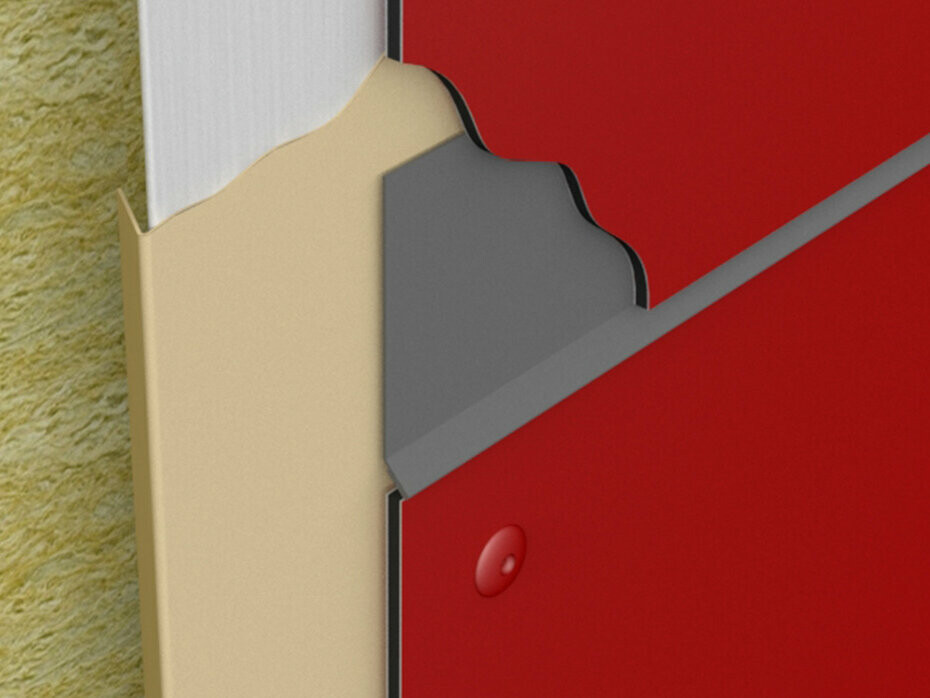
ACP and ACM usually mean the same product family. ACP means aluminum composite panel. ACM means aluminum composite material. Both normally describe a sandwich panel made from two thin aluminum skins bonded to a core.
The name is not the main risk. The real questions are: what is the core, how thick are the aluminum skins, what coating is used, what fire rule applies, and is composite cladding allowed for this building? If those details are missing, “ACP vs ACM” becomes a word game instead of a safe material decision.
1. ACP vs ACM: Quick Comparison
Many buyers search “acm vs acp” because the two terms appear in different drawings, websites, or quotations. Use this table first. It prevents a common mistake: comparing names while ignoring the actual panel specification.
| Question | Practical answer | Buyer action |
|---|---|---|
| Are ACP and ACM the same? | In most facade and signage discussions, yes. They are regional names for aluminum composite panel/material. | Do not judge by abbreviation alone. |
| Is ACM better than ACP? | No. ACM is not automatically better. The panel build-up decides performance. | Compare core, skin thickness, coating, and fire report. |
| Why do US specs say ACM? | ACM is the common North American term. | Ask the supplier to confirm it is aluminum composite material and list the full build-up. |
| Why do suppliers say ACP? | ACP is common in Asia, the Middle East, Europe, and Australia. | Check whether the quoted ACP matches the ACM specification. |
| What is the biggest decision? | Whether composite panels are suitable for the building at all. | Check building height, fire rule, exposure, and service-life target. |
2. What Is ACP?
ACP stands for aluminum composite panel. It has two aluminum skins and a central core. Common total thicknesses are 3 mm, 4 mm, and 6 mm. The aluminum skin may be around 0.21 mm to 0.50 mm per side, depending on price level and use.
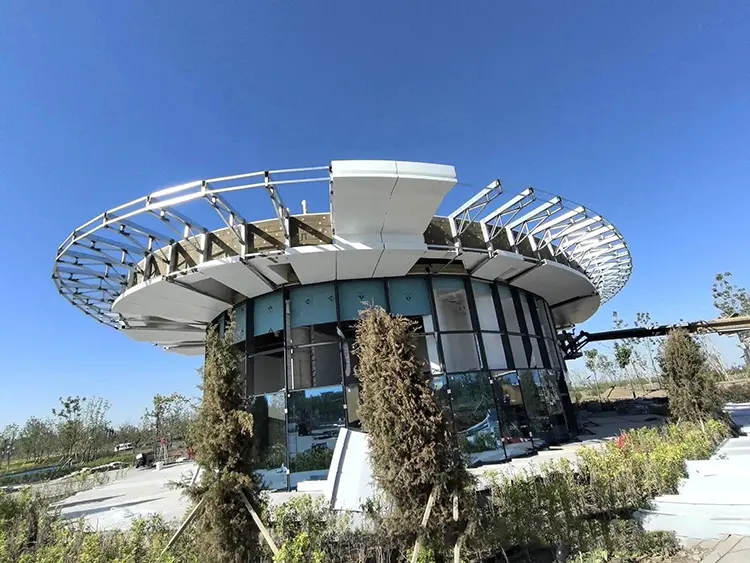
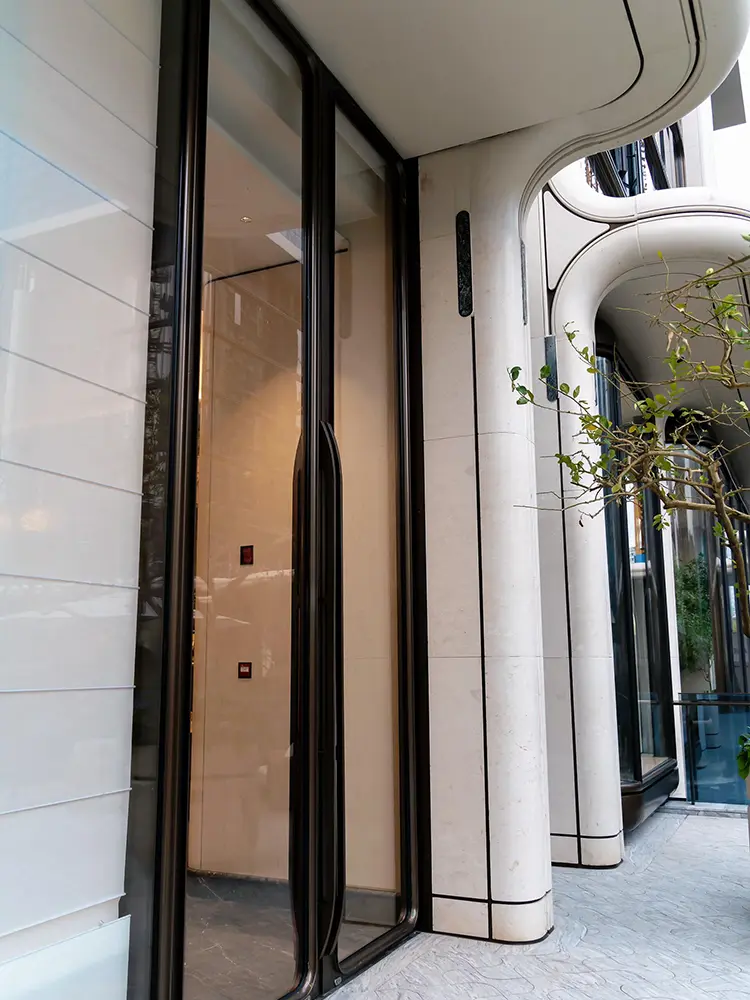
ACP is popular because it is light, flat, easy to cut, and economical for shopfronts, signs, canopies, interior walls, and some low-rise exterior cladding. It is not automatically suitable for every facade. The panel core, fire requirement, edge treatment, coating, and fixing system must be checked.
3. What Is ACM?
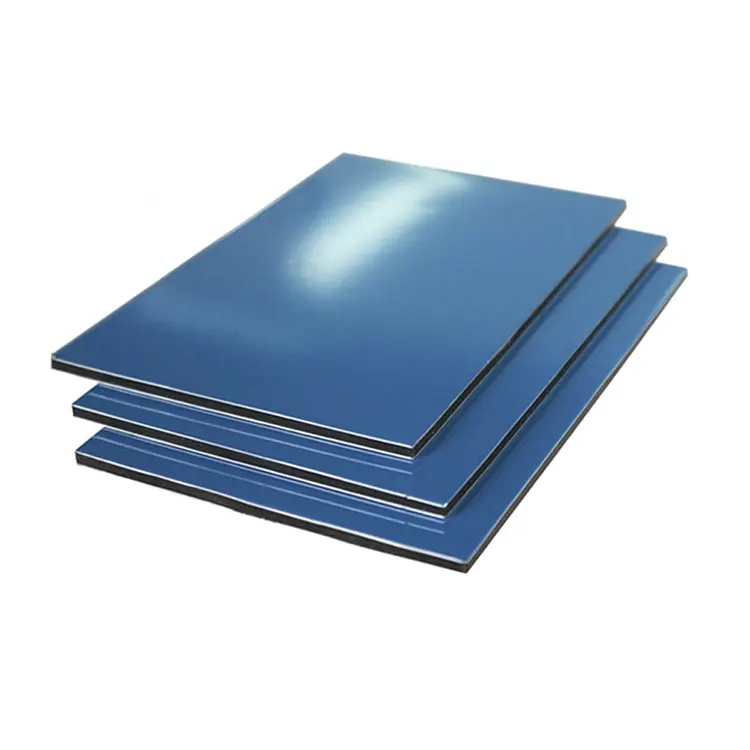
ACM stands for aluminum composite material. In North America, “ACM panel” often appears in storefront, canopy, cladding, corporate identity, and sign specifications. In plain language, it usually points to the same sandwich-panel family that many suppliers call ACP.
But ACM is a material category, not a full safety specification. A PE-core ACM panel, FR-core ACM panel, and A2 mineral-core ACM panel are not the same. If a quotation only says “ACM panel” without core type and fire document, it is incomplete.
4. ACP, ACM, PE Core, FR Core, and A2 Core
The core is one of the most important details. It affects fire review, price, weight, processing, and where the panel can be used. A buyer should never accept “ACP” or “ACM” as the complete answer.
| Core type | Simple meaning | Where it may fit | Important warning |
|---|---|---|---|
| PE core | Polyethylene core between aluminum skins. | Signs, interiors, low-risk areas where allowed. | Can be restricted or rejected for many exterior facade uses. |
| FR core | Fire-retardant mineral-filled core. | Projects needing better fire behavior than PE core. | Ask which standard and test report applies. |
| A2 core | Higher mineral content core designed for stricter fire performance. | Projects with stronger fire review, depending on local approval. | A2 wording must be supported by valid documents. |
| Solid aluminum panel | Single aluminum sheet, no composite core. | Public buildings, high-rise zones, custom facade panels, long-life exterior walls. | Usually costs more but avoids composite-core risk. |
For projects where fire review is the first concern, also read our guide to aluminum facade fire resistance rating.
5. Fire Safety: What Buyers Should Check First
Fire safety is where ACP/ACM mistakes become expensive. The panel name does not prove fire performance. The complete wall assembly can include insulation, air cavity, membranes, sealants, brackets, and fixings. Local code may require a full assembly test or project-specific approval.
| Item to check | Why it matters | Question to ask |
|---|---|---|
| Core type | PE, FR, and A2 cores behave differently. | What core is included in this quotation? |
| Fire standard | Different markets use different approval routes. | Which standard does the report follow? |
| Building use | Hospitals, schools, hotels, towers, and transport buildings may be stricter. | Is ACP/ACM allowed on this building type? |
| Full assembly | Panel alone does not represent the whole wall. | Does the approval include insulation, cavity, and fixing details? |
| Local authority | Rules differ by country, city, and project type. | Has the local consultant accepted this system? |
6. Cost: When ACP/ACM Saves Money and When It Does Not
ACP/ACM often costs less than solid aluminum panels at the material level. That is why it is used in signs, retail frontages, interior panels, and simple low-rise cladding. The saving is real when the building type, code, exposure, and expected service life match the product.
The saving disappears when the panel is rejected during fire review, fades too early, dents easily, delaminates, or needs replacement. For long-life commercial facades, solid aluminum panels can be the more practical choice even if the first square-meter price is higher.
| Panel option | Early factory-side range | Good use | Cost risk |
|---|---|---|---|
| PE-core ACP/ACM | Lower range, often budget driven. | Signs, interiors, short-life retail, permitted low-risk zones. | Fire restriction and short service life in exposed exterior areas. |
| FR-core ACP/ACM | Higher than PE core. | Exterior zones where local approval accepts the system. | Wrong report or unclear core can delay approval. |
| A2-core ACP/ACM | Higher than standard FR core. | Projects needing stricter fire documentation. | Must verify documents and assembly requirements. |
| Solid aluminum panel | Often around USD 38-85/m2 for common factory-side planning. | Commercial facades, public buildings, custom panels, high-visibility areas. | Higher first price, but often clearer for durability and custom fabrication. |
For detailed exterior panel budgeting, see our aluminum exterior wall panel cost guide.
7. Durability Problems Buyers Often Miss
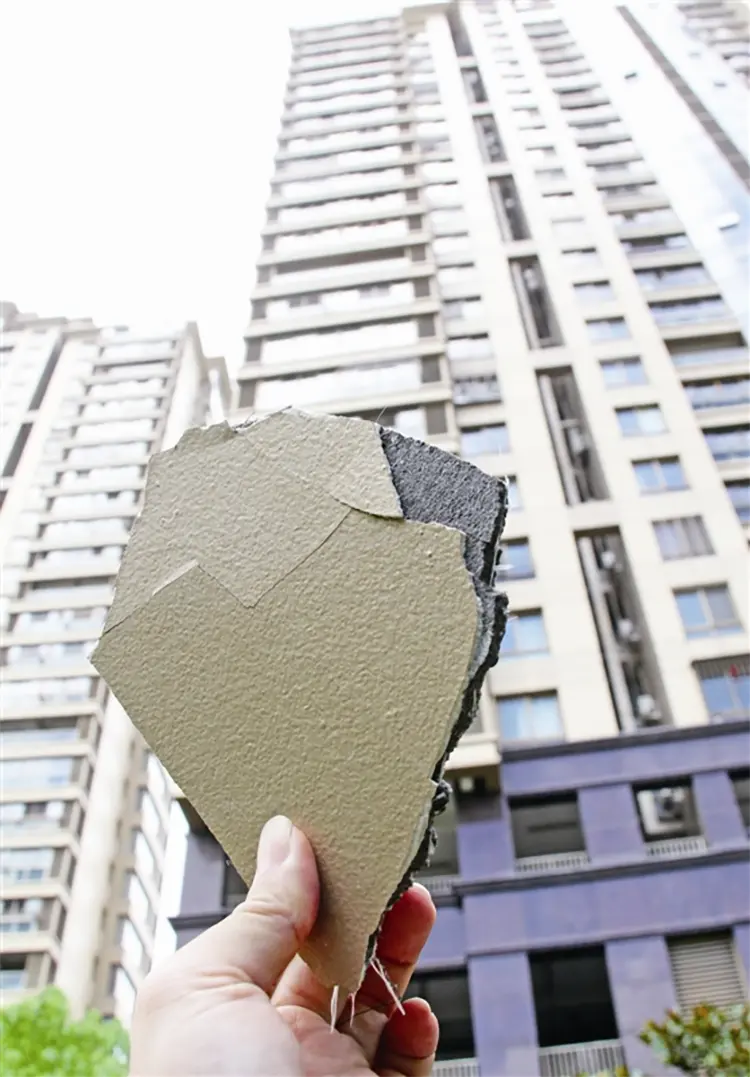
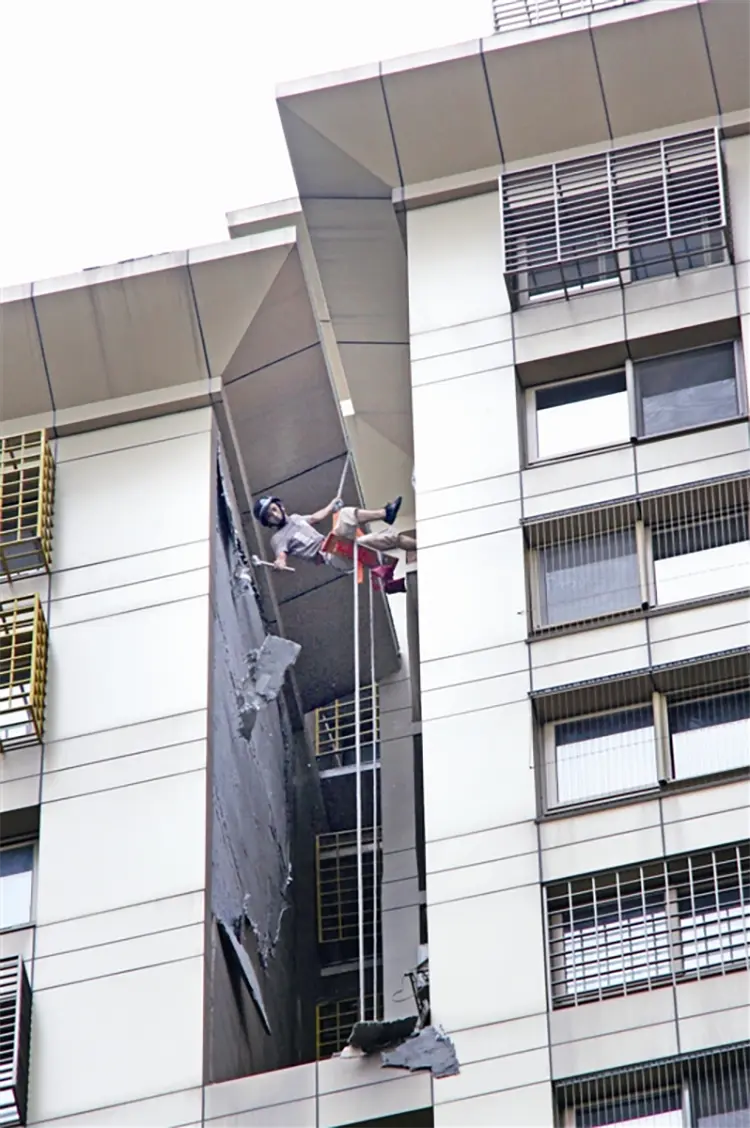
ACP/ACM can work well when the product and application are suitable. Problems appear when buyers choose a thin, low-cost panel for a harsh exterior wall and expect it to perform like a stronger facade system.
| Problem | Common cause | How to reduce risk |
|---|---|---|
| Color fading | Weak coating or heavy UV exposure. | Specify exterior-grade coating and approve samples. |
| Denting | Thin aluminum skin or impact-prone location. | Use thicker skin, smaller panels, or solid aluminum where needed. |
| Delamination | Poor bonding, water entry, heat, or poor edge detail. | Check bonding quality, edge sealing, and installation method. |
| Panel waviness | Large panels, poor support, thermal movement. | Review subframe spacing and panel size. |
| Fire approval delay | Wrong core or missing report. | Confirm documents before purchase. |
8. ACP/ACM vs Solid Aluminum Veneer Panels
Solid aluminum veneer panels are different from ACP/ACM. They are made from a single aluminum alloy sheet, usually cut, folded, welded, reinforced, and coated. They do not have a PE or mineral composite core.
This does not mean every project must use solid aluminum. It means the buyer should compare the two systems by building use, fire review, climate, impact risk, design shape, maintenance, and budget.
| Decision factor | ACP / ACM | Solid aluminum veneer panel |
|---|---|---|
| Material structure | Two thin aluminum skins bonded to a core. | Single aluminum alloy sheet, folded and fabricated. |
| Typical cost | Lower first material cost. | Higher first material and fabrication cost. |
| Fire review | Core type must be checked carefully. | No composite core, but full wall system still needs review. |
| Custom shapes | Works for simple folds and flat panels. | Better for deeper returns, welded corners, curves, and special forms. |
| Impact resistance | Depends heavily on skin thickness and support. | Often stronger for public and exposed locations. |
| Best fit | Signs, interiors, storefronts, suitable low-rise cladding. | Commercial exterior walls, high-rise zones, public buildings, long-life facades. |
9. Regional Terms and GEO Selection Notes
Search behavior changes by market. A buyer in the United States may search “what is ACM cladding” or “ACM panel system.” A buyer in the Middle East or Asia may search “ACP panel.” The product family can overlap, but the code path and project expectations may not.
| Market or region | Common wording | Practical note |
|---|---|---|
| United States and Canada | ACM, ACM panels, ACM cladding. | Pay attention to local code, assembly requirements, and project documents. |
| Asia and Middle East | ACP, aluminum composite panel. | Confirm whether the quoted ACP is PE, FR, or A2 core. |
| Europe and Australia | ACP, ACM, composite cladding. | Fire rules and facade remediation history make documents important. |
| Coastal markets | ACP/ACM or aluminum panels. | Review coating, edge sealing, salt exposure, and maintenance. |
| Public buildings | Specification varies. | Use the local consultant’s fire and facade requirements first. |
10. How to Choose the Right Panel
A useful selection process starts with the building, not the product name. Use ACP/ACM when it fits the code, budget, exposure, and service life. Move to solid aluminum panels when the project needs stronger fabrication, more durable exterior performance, or clearer fire-review logic.
- Confirm building type: shopfront, office, hotel, school, hospital, tower, station, or residential building.
- Check local code: ask whether composite cladding is allowed for this height and use.
- Define core type: PE, FR, A2, or choose solid aluminum instead.
- Check coating: PVDF, powder coating, anodizing, or other finish.
- Review panel thickness: total thickness and aluminum skin thickness are both important.
- Ask for documents: fire report, quality certificate, coating data, and project references.
- Quote from drawings: rough price is useful, but drawings prevent wrong scope.
11. Quote Checklist for ACP/ACM Buyers
To compare quotations fairly, ask every supplier to answer the same questions. This is where many purchasing mistakes happen. One quote may include only sheets; another may include cutting, grooves, accessories, packing, and documents.
| Quote item | What to request | Why it matters |
|---|---|---|
| Panel name | ACP, ACM, solid aluminum, or honeycomb panel. | Prevents product-family confusion. |
| Total thickness | 3 mm, 4 mm, 6 mm, or project-specific. | Affects stiffness and price. |
| Aluminum skin thickness | Skin thickness per side. | Thin skins dent and wave more easily. |
| Core type | PE, FR, A2, or other specified core. | Critical for fire review and application. |
| Coating | PVDF, PE coating, powder coating, anodizing, color code. | Affects weather resistance and appearance. |
| Fabrication scope | Sheet only, cut-to-size, grooved, folded, drilled, packed. | Prevents unfair price comparison. |
| Packing | Film, pallets, crates, corner protection, export packaging. | Important for overseas transport. |
| Documents | Test reports, ISO, CE, RoHS, project certificates where applicable. | Supports approval and procurement review. |
12. Likton Metal Manufacturing and Document Support
Likton Metal manufactures aluminum facade and ceiling products in Lushi Town, Foshan, Guangdong. The factory covers 20,000 sqm and uses 27 sets of CNC and fabrication equipment, including PRATIC PIC-CNC6500, Yawei laser cutting, and Deratech folding equipment. The production team has more than 100 members, and products have been exported to more than 30 countries, including the USA, UK, Australia, Saudi Arabia, and the UAE.
For projects comparing ACP/ACM with solid aluminum panels, Likton can review drawings, panel schedules, coating requirements, fire-document needs, packing scope, and budget targets. Available documentation references include ISO 9001:2015, ISO 45001:2018, CE No. CTB25022505602 for EN 13501-1 Class A2, RoHS Compliance, and GPSR EU Authorized Representative Certificate. Final document relevance should be checked against the local project specification.
FAQ About ACP vs ACM
Is ACP the same as ACM?
Yes, in most construction and facade discussions. ACP means aluminum composite panel, while ACM means aluminum composite material. They usually describe the same sandwich-panel product family.
Why do some drawings say ACM instead of ACP?
ACM is more common in the United States and Canada. ACP is more common in Asia, the Middle East, Europe, and Australia. The abbreviation is less important than the panel core, skin thickness, coating, and fire documents.
What is ACM cladding?
ACM cladding is a facade or wall covering made from aluminum composite material panels. It is often used for storefronts, canopies, signs, and some exterior wall areas where the panel type is allowed by local code.
Is ACP/ACM fireproof?
No, not automatically. Fire performance depends on the core type and the complete wall assembly. PE-core panels, FR-core panels, and A2-core panels should not be treated as the same product.
Is ACM better than ACP?
No. ACM is not automatically better than ACP. The two words usually describe the same material family. A better panel is the one with the right core, skin thickness, coating, fire document, and installation detail for the project.
When should I use solid aluminum instead of ACP/ACM?
Consider solid aluminum panels for high-rise zones, public buildings, coastal projects, custom shapes, impact-prone areas, and long-life exterior facades. ACP/ACM may still fit signs, interiors, storefronts, and suitable low-rise areas.
What should I send for an ACP/ACM quotation?
Send drawings, panel size, total thickness, aluminum skin thickness, core type, coating, color, fire requirement, quantity, packing requirement, destination port, and whether you need sheets only or fabricated panels.