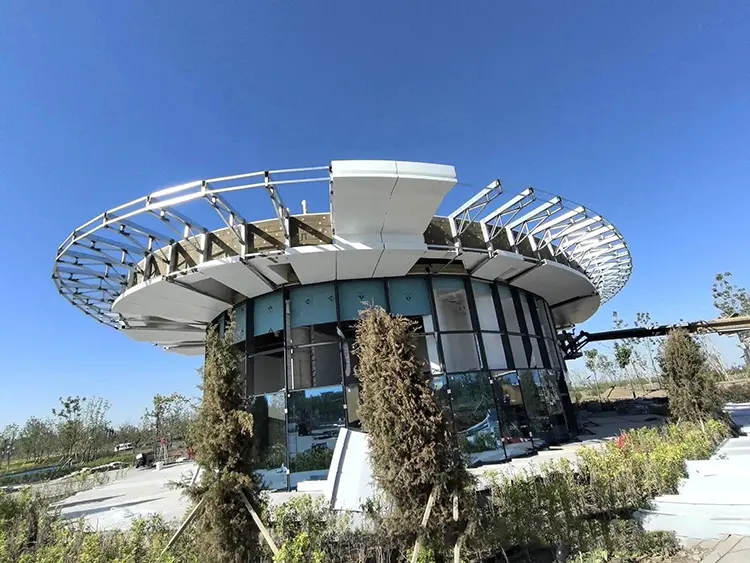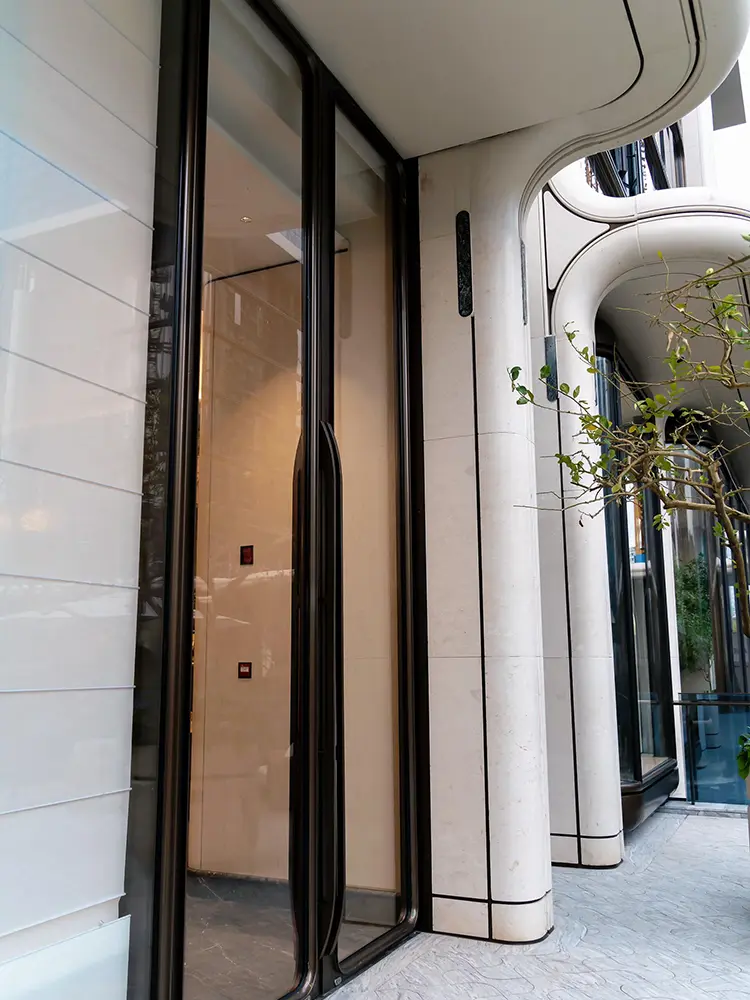
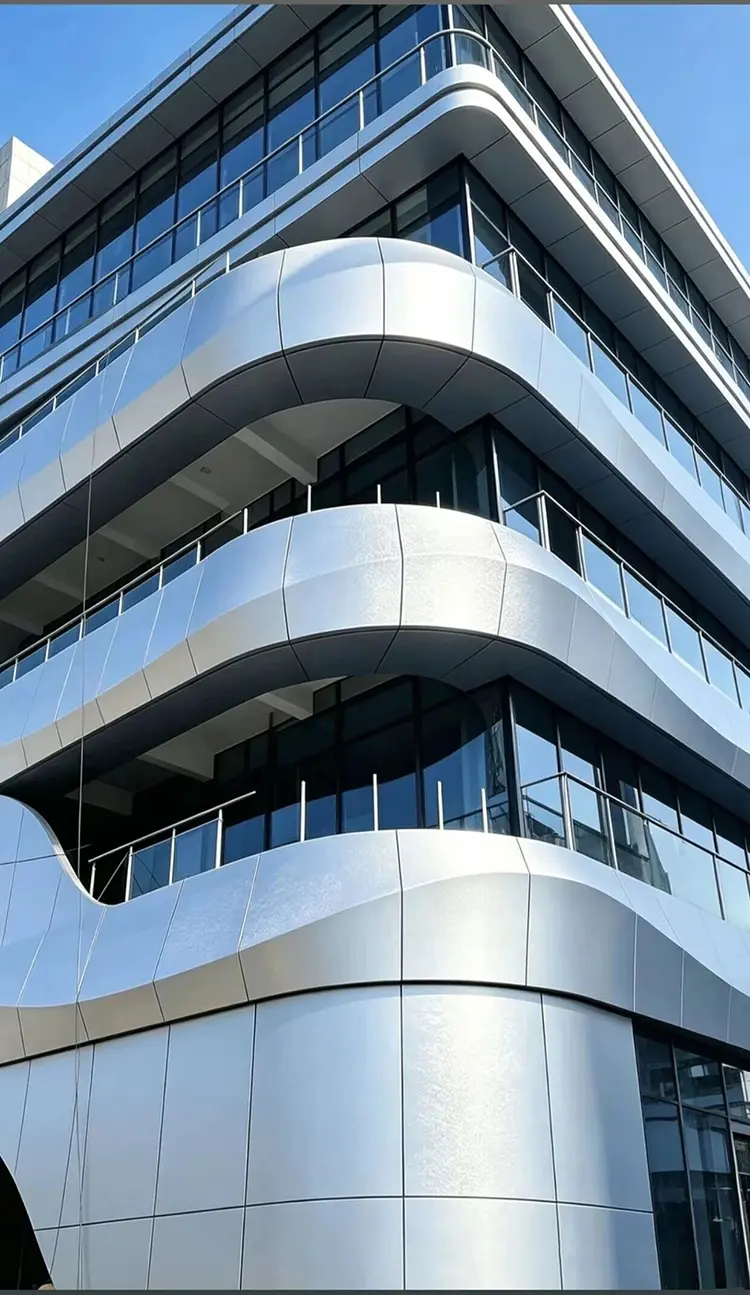
Short answer: aluminum wall panel facades are exterior cladding panels used to protect the building wall and create a clean architectural appearance. For a real project, the most important choices are panel type, thickness, coating, reinforcement, fixing details, and whether the supplier can turn drawings into accurate finished panels.
This guide keeps the language simple. It explains how to choose aluminum wall panels, what affects price, and how Likton produces custom facade panels in our Foshan factory.
What Are Aluminum Wall Panel Facades?
An aluminum wall panel facade is a metal cladding layer installed on the outside of a building. It is usually not the main building structure. Its job is to cover the wall, protect the exterior, control the final appearance, and help the building keep a modern design style.
In the market, “aluminum wall panel” can mean different products. Before comparing prices, first confirm which product the supplier is quoting.
| Panel Type | What It Is | Best For |
|---|---|---|
| Solid aluminum panel | Single-layer aluminum sheet, cut, bent, welded, reinforced, and coated | Premium facades, curved panels, columns, soffits, high fire-safety projects |
| Aluminum composite panel | Two thin aluminum skins with a core material | Budget cladding, signage, interior areas, some low-rise projects |
| Aluminum honeycomb panel | Aluminum skins with honeycomb core | Large flat panels and projects that need high flatness |
| Perforated aluminum panel | Aluminum panel with holes or custom patterns | Ventilation, sunshade, privacy screens, parking garages |
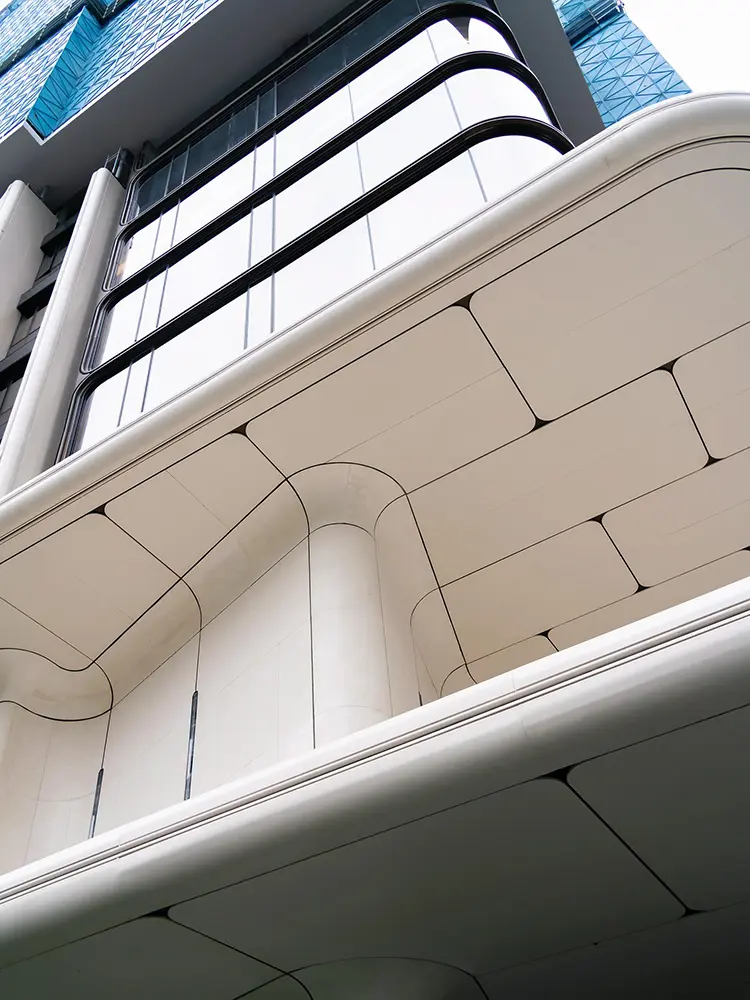
Likton mainly focuses on custom aluminum facade panels, especially solid aluminum veneer panels, curved panels, perforated panels, soffit panels, column cladding, and project-specific wall panel systems.
Why This Article Is Different From a Normal Material Guide
Many articles only say aluminum panels are “beautiful, durable, and sustainable.” That is true, but it does not help you place an order. A buyer or contractor usually wants to know:
- What thickness should I choose?
- Should I use solid aluminum panel or ACP?
- What makes one quotation higher than another?
- Can the factory make curved panels and special shapes?
- How does the supplier control color, flatness, and packing?
- What information should I send to get an accurate quote?
The sections below answer these questions from a production and purchasing point of view.
Likton Factory Capability: From Sheet Metal to Finished Facade Panel
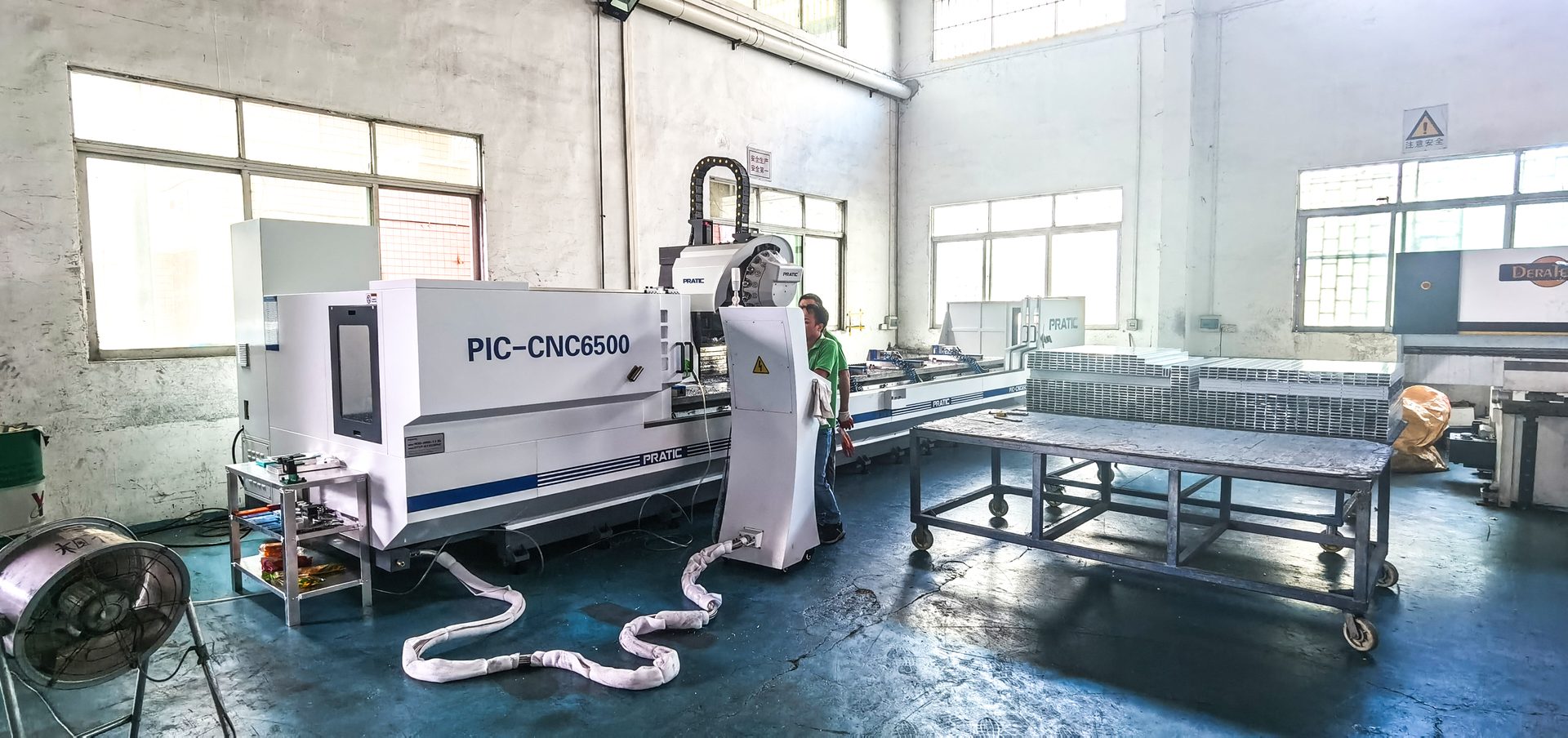
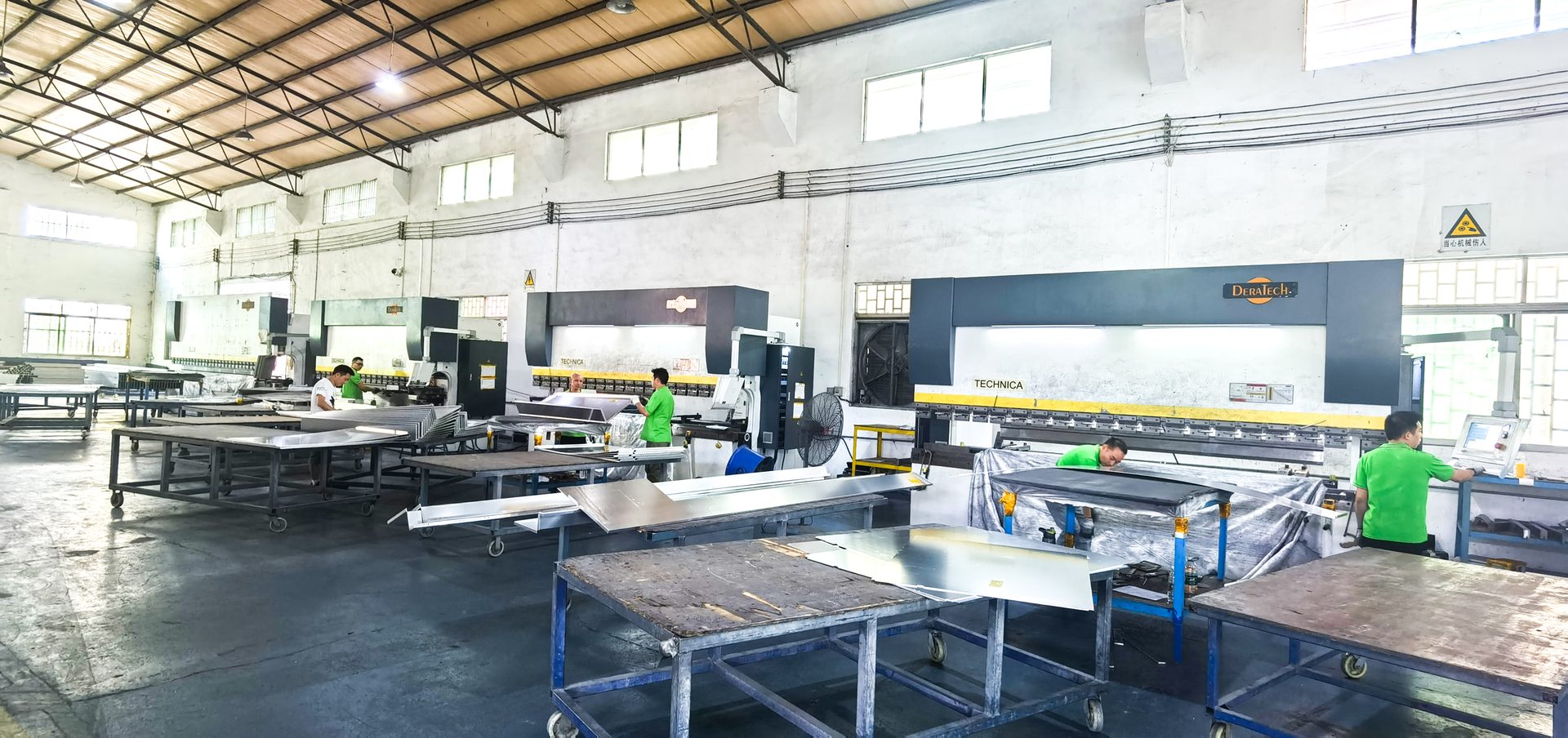
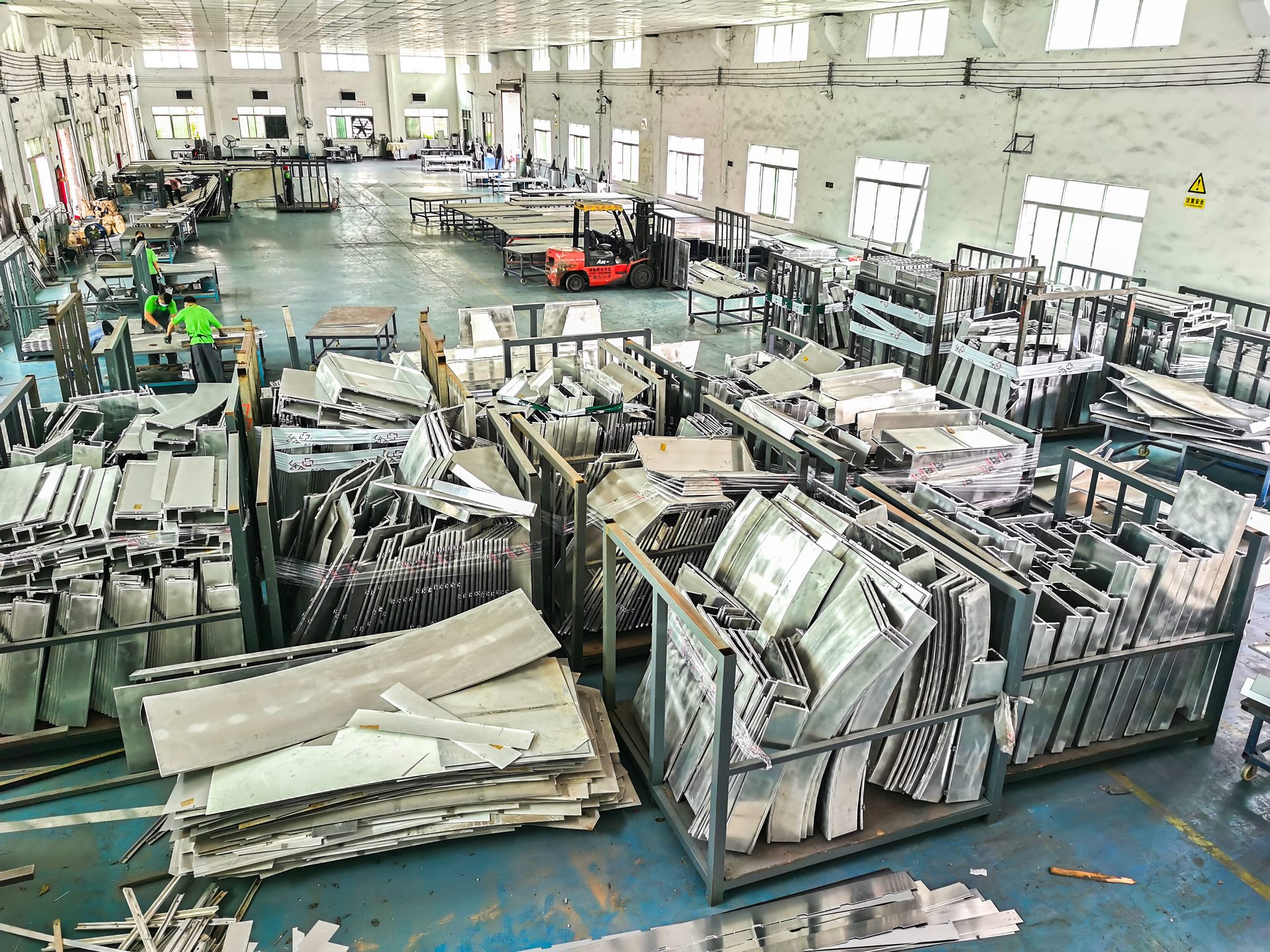
Likton manufactures aluminum facade panels in Foshan, China. Our production is not only trading and reselling. The important work happens in the workshop: cutting, CNC machining, bending, welding, surface pretreatment, coating, inspection, packing, and loading.
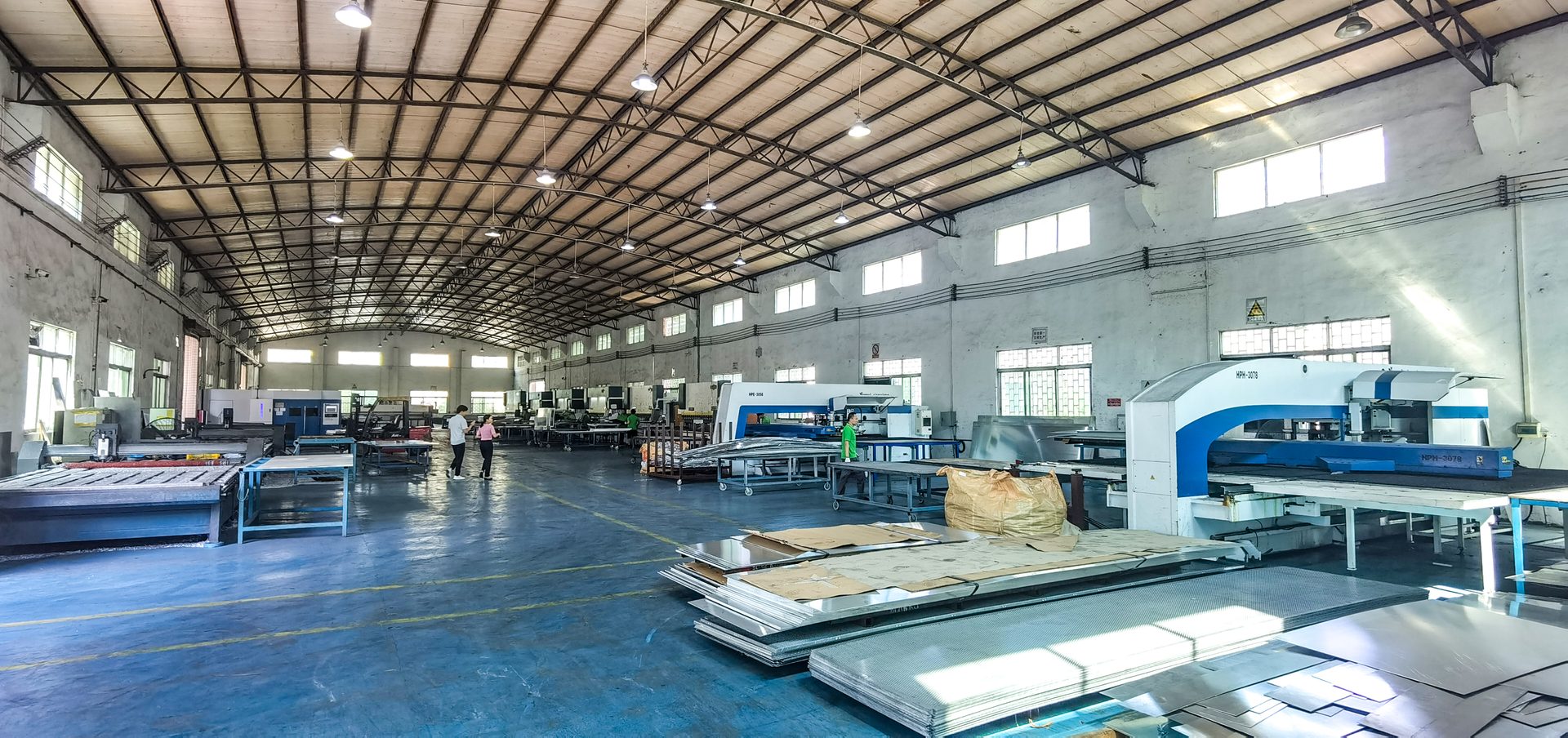
For buyers, this matters because custom facade panels are not standard shelf products. A small error in panel size, folding depth, hole position, or color batch can create problems during installation. A factory with real processing capability can help check drawings before production, not only after problems appear on site.
Our Main Advantages for Aluminum Wall Panel Projects
| Likton Advantage | What It Means for Your Project |
|---|---|
| Custom fabrication | Panels can be made to project drawings, not only standard sizes |
| CNC processing | Better accuracy for holes, edges, special shapes, and repeated panel sizes |
| Curved and shaped panel experience | Useful for columns, canopies, corners, rounded facade areas, and landmark buildings |
| PVDF and coating support | Better color stability for exterior projects, especially in sun, rain, and coastal air |
| Back stiffener and assembly details | Large panels can be reinforced to improve flatness and wind-load performance |
| Export packing experience | Finished coated panels need protection from scratches, bending, and corner damage during shipping |
How Likton Produces Custom Aluminum Wall Panels
A good facade panel is not made in one step. For custom wall panels, the production route usually looks like this:
- Drawing review: check panel size, folding depth, joint width, fixing direction, and special details.
- Material preparation: choose aluminum alloy and thickness according to project requirements.
- CNC cutting and machining: cut panel blanks and machine holes, slots, and special shapes.
- Bending and forming: fold edges, make returns, and form curved or shaped panels.
- Welding and grinding: process corners, column panels, and special shapes when needed.
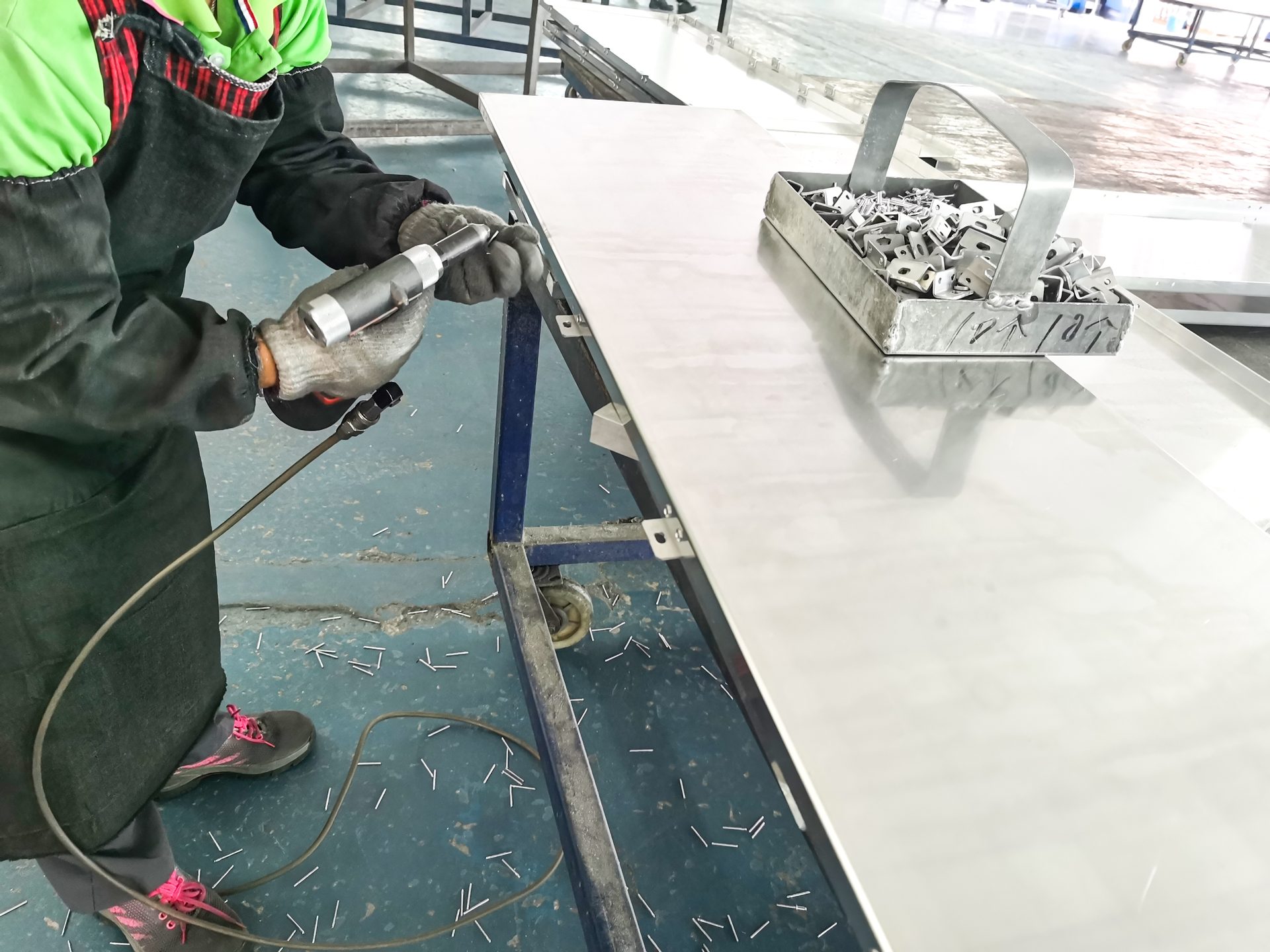
- Stiffener assembly: add back ribs or stiffeners for large panels.
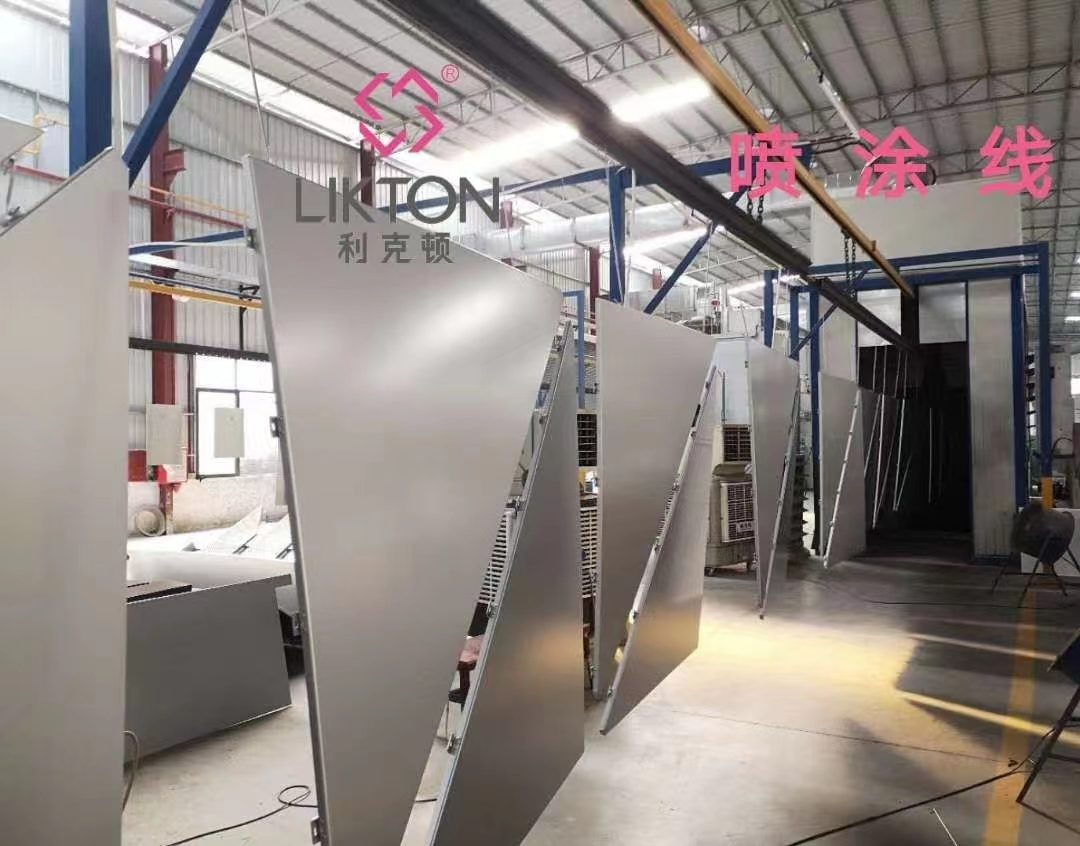
- Surface treatment and coating: prepare the surface and apply PVDF, powder coating, or other finish.
- Inspection and packing: check size, surface, color, coating, and packing before shipment.
Solid Aluminum Panel or ACP: Which Should You Choose?
For exterior wall panel facades, many buyers compare solid aluminum panels with ACP or ACM. The surface may look similar after installation, but the structure is different.
| Question | Solid Aluminum Panel | ACP / ACM |
|---|---|---|
| Best for custom shapes? | Very suitable for bending, welding, rolling, and special forms | More limited because of the composite structure |
| Fire safety? | Better because it is solid metal | Depends on the core material |
| Initial cost? | Usually higher | Usually lower |
| Repair and recycling? | Easier as a single metal material | More complex because it has mixed layers |
| Typical use | Premium exterior facade, high-rise, soffit, column, curved panel | Budget facade, signage, interior cladding, low-risk areas |
If your project needs long service life, better fire safety, curved panels, or high-end exterior appearance, solid aluminum panels are usually the stronger option. If the project is very price-sensitive and local code allows it, ACP may still be used in some areas.
How Thick Should Aluminum Wall Panels Be?
Thickness affects cost, flatness, and strength. A thicker panel is not automatically better, but a panel that is too thin may wave, vibrate, or deform after installation.
| Thickness | Common Use | Simple Advice |
|---|---|---|
| 1.5 mm | Interior walls, ceilings, small decorative panels | Not ideal for main exterior facade panels |
| 2.0 mm | Small exterior panels, soffits, low-rise areas | Works when panel size and wind load are controlled |
| 2.5 mm | Common exterior aluminum wall panels | A practical balance for many commercial buildings |
| 3.0 mm | High-rise facades, large panels, stronger wind-load zones | Better flatness and stiffness, but higher cost |
| 4.0 mm+ | Special heavy-duty or large custom panels | Use when engineering calculation requires it |
For many exterior solid aluminum wall panel projects, 2.5 mm or 3.0 mm is a sensible starting point. The final choice should be checked together with panel size, folded edge depth, stiffeners, wind load, and installation height.
Which Coating Should You Choose?
The coating decides how the facade looks after years of sunlight, rain, dust, and cleaning. For exterior aluminum wall panels, coating should not be chosen only by color sample. You should also check outdoor durability.
| Finish | Best Use | Buyer Tip |
|---|---|---|
| PVDF coating | Long-term exterior facades, coastal or high-UV areas | Best choice when color stability matters |
| Powder coating | Interior panels, ceilings, protected exterior areas | Check whether the warranty covers outdoor use |
| Anodized finish | Natural metallic architectural appearance | Elegant look, but color range is more limited |
| Wood grain or stone effect | Decorative facades, hotels, cultural projects | Ask for exterior durability information before ordering |
For exterior aluminum facade wall panels, PVDF is usually the safer option. You can read more in our PVDF aluminum veneer panel guide.
What Affects the Price?
Aluminum wall panel facade prices are usually calculated by square meter, but the real cost depends on the full specification. If one quotation is much lower than another, check what is included before deciding.
| Price Factor | Why It Matters | What to Check |
|---|---|---|
| Panel type | Solid aluminum, ACP, and honeycomb panels have different structures | Do not compare them as the same product |
| Thickness | Thicker aluminum costs more but improves stiffness | Confirm real thickness and tolerance |
| Coating | PVDF and metallic colors cost more than basic finishes | Ask for coating type and color code |
| Panel shape | Curved, folded, perforated, and special-shaped panels need more work | Send drawings early |
| Reinforcement | Large panels may need back stiffeners | Ask whether stiffeners are included |
| Packing and shipping | Finished coated panels need protection during export transport | Check crate method and packaging scope |
Quality Details Likton Checks Before Shipment
For custom facade panels, quality control should not only happen at the end. It should happen through the whole process.
- Drawing check: panel size, folding direction, corner detail, joint width, and fixing position.
- Material check: aluminum thickness, surface condition, and alloy requirement.
- Processing check: cutting accuracy, bending angle, welding area, and hole position.
- Assembly check: back stiffeners, rivets, corner strength, and panel flatness.
- Coating check: color, gloss, surface quality, and coating consistency.
- Packing check: protective film, edge protection, crate strength, and loading order.
Installation Details Buyers Should Not Ignore
A good panel can still look bad if the installation design is weak. Before production, the supplier and contractor should check panel layout, joint width, fixing method, and tolerance.
- Panel joint width: joints should be consistent, especially on large flat walls.
- Corner details: corners, columns, and soffits need careful folding and alignment.
- Thermal movement: aluminum expands and contracts with temperature, so the fixing system must allow movement.
- Drainage and ventilation: facade systems should not trap water behind the panels.
- Stiffeners: large panels often need back reinforcement to control flatness.
- Mock-up sample: for important projects, approve a sample or mock-up before mass production.
What to Send for an Accurate Quotation
If you want a useful quotation, send clear project information. A supplier cannot give an accurate price from only “please quote aluminum wall panels”.
- Project location and building type
- Total facade area in square meters
- Elevation drawings, panel layout, or rough panel sizes
- Preferred panel type: solid aluminum, ACP, honeycomb, or not sure yet
- Thickness requirement, if already specified
- Color code, such as RAL, Pantone, or physical sample
- Coating requirement, such as PVDF, powder coating, or anodized finish
- Special shapes, curved panels, perforation, or column cladding details
- Required fire, coating, or quality documents
- Destination country and target delivery date
FAQ
Are aluminum wall panel facades suitable for high-rise buildings?
Yes, but the panel thickness, fixing system, wind-load design, and fire requirements must be checked carefully. For high-rise facades, solid aluminum panels are often preferred over low-grade composite panels.
Can Likton make curved aluminum wall panels?
Yes. Curved panels, column cladding, soffit panels, rounded corners, and other shaped aluminum panels can be made according to project drawings.
What is the difference between aluminum wall panels and aluminum cladding?
They are closely related terms. “Aluminum wall panel” usually refers to the panel product. “Aluminum cladding” usually refers to the complete exterior covering system, including panels, joints, fixing, and substructure.
Is PVDF coating necessary?
For long-term exterior facades, PVDF is usually recommended because it has better resistance to UV, weathering, and color fading. For interior or protected areas, powder coating may be enough.
How do I compare two supplier quotations?
Compare panel type, thickness, alloy, coating, color, size, reinforcement, installation accessories, packing, lead time, and required documents. Do not compare only the square-meter price.
Conclusion
Aluminum wall panel facades are a practical choice for modern building exteriors, but the final result depends on more than material name. You need the right panel type, thickness, coating, reinforcement, installation design, and a supplier who can produce from drawings with stable quality.
Likton supports custom aluminum facade panels from drawing review to production, coating, inspection, and export packing. If you are planning a commercial building, hotel, office tower, public building, or custom facade project, send your drawings and requirements so we can help check the specification and prepare a practical quotation.
Need Help With Aluminum Wall Panel Facades?
Send your project drawings, target panel size, color requirement, and destination country. Likton can help review the specification and quote custom aluminum facade panels.