Aluminum Exterior Wall Panel Cost: Simple 2026 Price Guide
Aluminum exterior wall panel cost is usually quoted by square meter, but the number only makes sense when you know the panel type, thickness, coating, shape, accessories, packing, and project location. A cheap sheet price and a useful project price are not the same thing.
For early budgeting in 2026, common factory-side panel references are: ACP / ACM panels at USD 18-45/m2, solid aluminum panels at USD 38-85/m2, perforated or shaped aluminum panels at USD 45-110/m2, and aluminum honeycomb panels at USD 55-130/m2. These are planning ranges, not a final installed cost.
1. Aluminum Wall Panel Price by Type
The first question is not “how much is aluminum wall panel per square meter?” The first question is “which panel type are we pricing?” ACP, ACM, solid aluminum, perforated aluminum, honeycomb, and Al-Mg-Mn alloy panels are different products.
| Panel type | Early factory-side price range | Where it makes sense | Buyer check |
|---|---|---|---|
| ACP / ACM panel | USD 18-45/m2 | Retail fronts, signage, low-rise cladding, controlled exterior zones. | Core type, fire rule, coating, edge sealing, sheet thickness. |
| Solid aluminum panel | USD 38-85/m2 | Commercial facades, schools, malls, hotels, public buildings, custom walls. | Thickness, alloy, return depth, stiffeners, coating, packing. |
| Perforated aluminum panel | USD 45-110/m2 | Sunshade, parking garages, ventilation screens, decorative exterior walls. | Open area, hole pattern, waste rate, wind load, bracket spacing. |
| Curved or welded aluminum panel | USD 65-150+/m2 | Entrances, corners, landmark facades, custom shapes. | Welding, grinding, trial fitting, radius control, surface finish. |
| Aluminum honeycomb panel | USD 55-130/m2 | Large flat panels, transport hubs, premium walls, lightweight systems. | Core, adhesive, edge sealing, panel size, flatness tolerance. |
| Al-Mg-Mn alloy wall panel | Project based | Roof-wall systems, standing seam, weather-exposed metal envelopes. | Alloy, profile, coating, fixing method, waterproofing detail. |
If your search is “how much is a square meter of aluminum wall panel,” this table is a starting point. The final price still depends on drawings and scope.
2. Why Thickness Changes the Price
Thickness is one of the fastest ways to change the price. A thicker aluminum panel uses more material, but it can also reduce deflection and make the facade feel more solid. The right thickness depends on panel size, wind load, return depth, stiffeners, and project use.
| Thickness | Common use | Cost effect | Risk if chosen badly |
|---|---|---|---|
| 1.5-2.0 mm | Small panels, interior areas, simple low-risk exterior zones where allowed. | Lower material cost. | Can dent, wave, or deflect if panels are too large. |
| 2.5 mm | Many standard exterior wall panel projects. | Balanced cost and stiffness for moderate panel sizes. | Still needs proper stiffeners and fixing layout. |
| 3.0 mm | Commercial facades, schools, malls, hotels, public buildings. | Higher material cost but stronger panel behavior. | Wasteful if used where a simpler panel would work. |
| 4.0 mm+ | Large panels, high-wind zones, special shapes, impact-prone areas. | Higher cost, heavier packing, more fabrication load. | May require stronger brackets and installation planning. |
For “how much is a thick aluminum panel per square meter,” the honest answer is: first define thickness, panel size, shape, coating, and quantity. A 4.0 mm curved panel cannot be compared with a 2.0 mm flat panel.
3. ACP Price vs Solid Aluminum Panel Price
ACP and ACM panels usually cost less because they use thin aluminum skins bonded to a core. Solid aluminum panels cost more because the panel body is aluminum plate and often needs cutting, folding, welding, stiffeners, and stronger packing. The cheaper option is not always the better project cost.
| Decision point | ACP / ACM | Solid aluminum panel |
|---|---|---|
| Material cost | Usually lower. | Usually higher. |
| Fire review | Core type must be checked carefully. | No plastic core in the panel body, but full wall system still matters. |
| Shape flexibility | Good for simple folds and standard sizes. | Better for deeper folds, welded corners, and custom forms. |
| Durability in exposed areas | Depends on core, coating, edge sealing, and installation. | Often selected for longer-life commercial and public facades. |
| Best use | Budget cladding, signage, low-rise zones where allowed. | Commercial exterior walls, high-visibility facades, stricter projects. |
If the question is mainly about ACP and ACM naming, see our ACP vs ACM guide. If the project is a regulated exterior facade, also check fire requirements before choosing by price.
4. Coating Cost: PVDF, Powder Coating, and Coil-Coated Panels
Coating is a major price difference. Some buyers ask where the cost difference lies between pre-coated coil panels and powder-coated panels. The answer is in production method, color flexibility, shape complexity, warranty expectation, and order quantity.
| Finish option | Where it works well | Cost notes | Buyer check |
|---|---|---|---|
| PVDF coating | Exterior commercial facades, strong UV, coastal or exposed locations. | Usually higher than basic powder coating, but useful for weather resistance. | Color, gloss, coating system, warranty, sample approval. |
| Powder coating | Many exterior and interior aluminum panels. | Flexible for custom panels and smaller batches. | Outdoor grade, color stability, cleaning method, coating thickness. |
| Anodizing | Metallic appearance, profiles, louvers, premium details. | Can be higher and has color/tone limits. | Batch consistency, thickness, surface tolerance. |
| Pre-coated coil / PCC | Repeated flat or profiled panels, larger standard production runs. | Can be efficient for repeat panels, but less flexible for custom shapes. | Minimum quantity, forming limits, edge exposure, color availability. |
| Wood grain / stone texture | Decorative walls, soffits, entrances, commercial interiors. | Higher than standard colors and needs sample control. | Pattern direction, repeat, UV exposure, replacement batch matching. |
5. What Makes a Quote Look Cheap
A low aluminum wall panel price can be real if the project is simple. It becomes risky when the quote is missing key details. Many price problems come from comparing a sheet price with a fabricated panel price.
| Cheap quote detail | Why it matters | Question to ask |
|---|---|---|
| Only sheet price | May not include cutting, folding, stiffeners, or coating. | Is this raw sheet, fabricated panel, or panel system? |
| No thickness listed | Different thickness changes cost and performance. | What exact thickness and alloy are included? |
| No coating specification | Weather resistance may be unclear. | Is it PVDF, powder coating, anodizing, or PCC? |
| No fire document | May delay approval for public or high-rise projects. | What certificates are available for this product? |
| No packing detail | Export damage can erase the saving. | What film, crate, pallet, and corner protection are included? |
| No drawing review | The price may not match the real facade. | Can the supplier quote from elevation drawings? |
6. Which Aluminum Panel Manufacturer Is Better?
A better manufacturer is not the one that only gives the lowest square meter number. For exterior wall panels, the manufacturer should help you confirm panel structure, thickness, finish, drawings, packing, and documents before production. This is especially important for overseas buyers.
| Factory check | Why it matters | What to ask |
|---|---|---|
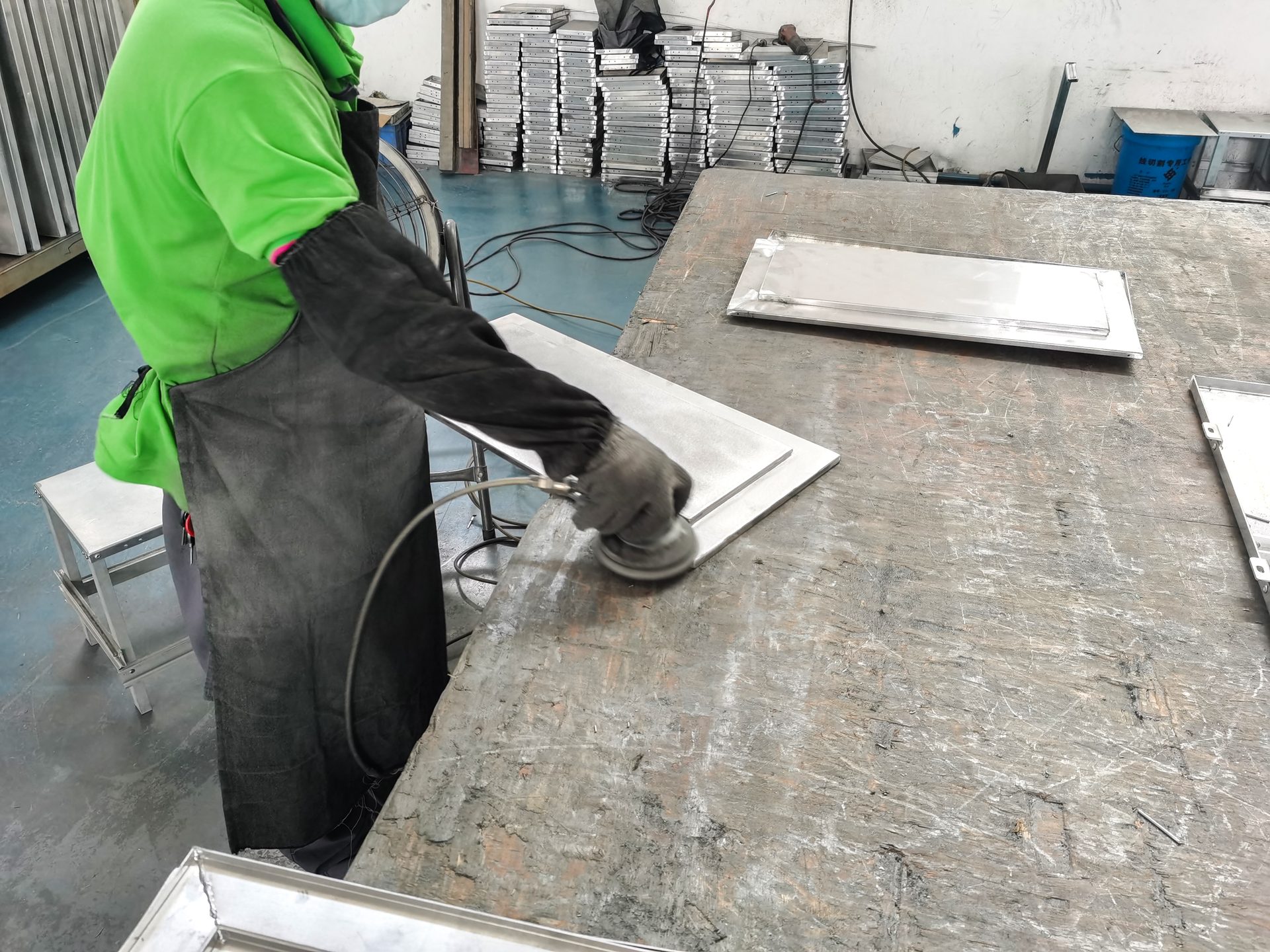
| Real fabrication capability | Custom panels need cutting, folding, welding, grinding, and assembly. | What machines and processes are used for this panel? |
| Drawing review | Prevents wrong sizes, missing returns, and weak details. | Can you review elevation and panel schedule before quoting? |
| Coating control | Color and weather performance affect long-term appearance. | How are samples and batch color controlled? |
| Export packing | Panels can scratch or bend during transport. | What packing method is included for sea freight? |
| Certificate support | Public projects may need documents. | Can you provide ISO, CE, RoHS, or other required documents? |
| Clear quotation | Hidden exclusions create later cost. | Does the quote list what is included and excluded? |
7. How to Reduce Cost Without Choosing the Wrong Panel
The useful way to reduce cost is to simplify what does not matter while protecting what does matter. Do not cut coating, fire documents, fasteners, drainage, or panel thickness if the building needs them.
- Use repeated module sizes: fewer unique sizes reduce drawing time and cutting waste.
- Reduce unnecessary curves: curved and welded panels cost more than flat folded panels.
- Choose finish early: late color changes can delay coating and increase sample cost.
- Separate facade zones: use solid aluminum where durability matters and ACP only where it is suitable.
- Confirm packing early: damaged panels cost more than proper export protection.
- Quote from drawings: rough square meter prices are useful, but drawings reduce surprises.
8. Hidden Costs Buyers Often Miss
Exterior wall panel cost is not only the visible face. Hidden details often decide whether installation is smooth and whether the facade stays flat, clean, and safe.
| Hidden item | Cost impact | Risk if ignored |
|---|---|---|
| Return depth | Deeper folded edges use more material and bending time. | Weak panel edges, poor flatness, visible gaps. |
| Back stiffeners | Adds material and assembly time. | Oil canning, wind vibration, weak large panels. |
| Welded corners | Need welding, grinding, and finishing. | Poor corner appearance or higher rework cost. |
| Cut edge protection | Important for coastal and wet areas. | Early corrosion or coating failure at edges. |
| Mock-up sample | Adds early cost but reduces mistake risk. | Wrong color, wrong texture, wrong joint detail. |
| Local accessories | Some brackets or anchors may be supplied locally. | Quote comparison becomes unfair if scope is unclear. |
9. What Likton Needs for an Accurate Price
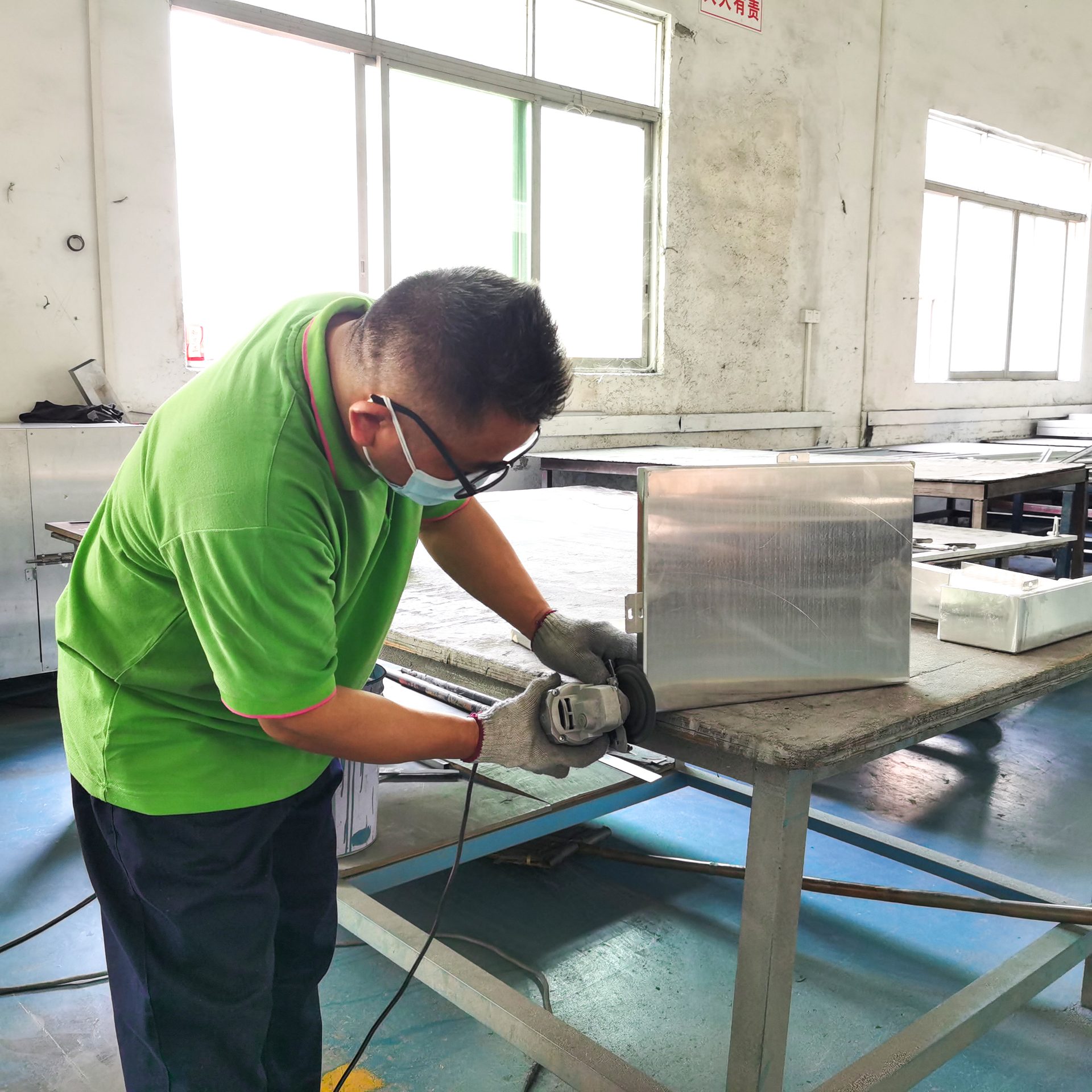
Likton Metal manufactures aluminum facade and ceiling products in Lushi Town, Foshan, Guangdong. The factory covers 20,000 sqm and uses 27 sets of CNC and fabrication equipment, including PRATIC PIC-CNC6500, Yawei laser cutting, and Deratech folding equipment. The production team has more than 100 members, and products have been exported to more than 30 countries, including the USA, UK, Australia, Saudi Arabia, and the UAE.
| Send this information | Example |
|---|---|
| Project location | Country, city, coastal or inland, hot or cold climate. |
| Building type | Hotel, mall, school, hospital, office, warehouse, apartment. |
| Facade area | Total m2 or sq ft, plus different facade zones if available. |
| Panel type | ACP, solid aluminum, perforated panel, honeycomb, Al-Mg-Mn alloy panel. |
| Thickness and size | 2.0 mm, 2.5 mm, 3.0 mm, 4.0 mm; panel width and height. |
| Finish | PVDF, powder coating, anodized, PCC, wood grain, color code. |
| Performance needs | Fire documents, wind load, corrosion resistance, insulation, warranty. |
| Commercial terms | Quantity, destination port, Incoterm, packing method, delivery schedule. |
Likton can provide documentation references including ISO 9001:2015, ISO 45001:2018, CE No. CTB25022505602 for EN 13501-1 Class A2, RoHS Compliance, and GPSR EU Authorized Representative Certificate. Final document requirements should be checked against the project specification.
FAQ About Aluminum Exterior Wall Panel Cost
How much does aluminum exterior wall panel cost per square meter?
For early budgeting, ACP or ACM panels may cost about USD 18-45/m2, solid aluminum panels about USD 38-85/m2, perforated or shaped panels about USD 45-110/m2, and honeycomb panels about USD 55-130/m2. Final price depends on drawings and scope.
How much is a thick aluminum panel per square meter?
A thick aluminum panel usually costs more because it uses more aluminum and may need stronger bending, stiffeners, and packing. A 3.0 mm or 4.0 mm solid aluminum panel should not be compared with a thin ACP sheet price.
Is ACP cheaper than solid aluminum panel?
Yes, ACP or ACM is usually cheaper at the material level. Solid aluminum panels cost more but can be better for custom shapes, stricter facade zones, public buildings, and longer-life commercial projects.
What affects aluminum cladding price the most?
Panel type, thickness, coating, shape, size, perforation, welding, stiffeners, fire requirement, packing, and order quantity all affect aluminum cladding price.
Which aluminum panel manufacturer is better?
A better manufacturer should provide drawing review, clear quotation scope, suitable fabrication equipment, coating control, export packing, and certificate support. The lowest square meter number alone is not enough.
What should I send for an aluminum wall panel quote?
Send project location, building type, facade area, panel type, thickness, finish, drawings, fire requirement, wind-load requirement, quantity, destination port, and packing requirement.