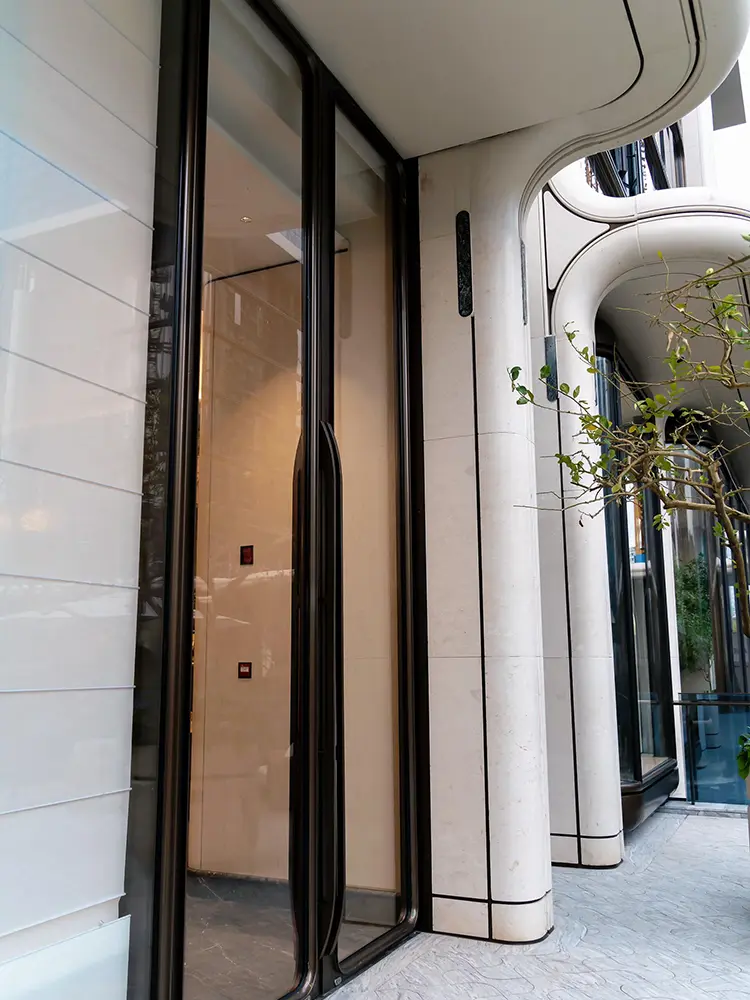
Choosing an aluminum curtain wall panel manufacturer is not only about finding a factory that can quote a low unit price. For a real facade project, the manufacturer has to understand drawings, panel size, folded edges, fixing points, coating requirements, packing, and site installation risk.
A good supplier should help you reduce uncertainty before production starts. That means checking whether the panel design can stay flat, whether the coating is suitable for the project environment, whether the back structure is clear, and whether the quotation is based on complete project information.
What Does an Aluminum Curtain Wall Panel Manufacturer Actually Do?
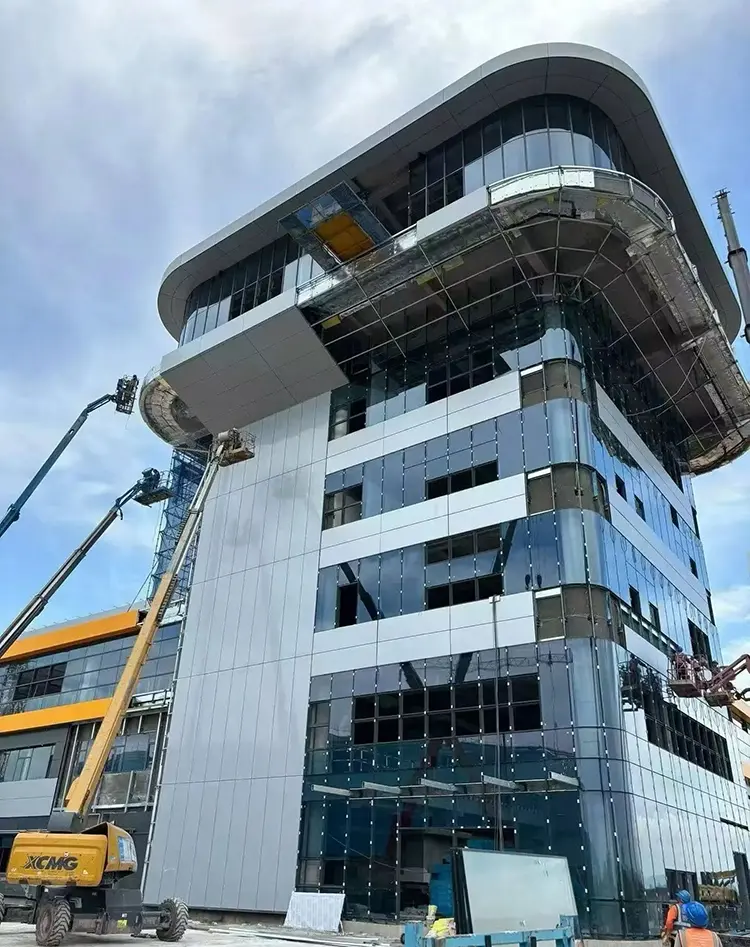
An aluminum curtain wall panel manufacturer fabricates aluminum panels used on building envelopes, facade cladding, soffits, column covers, canopies, and decorative wall systems. The work normally includes cutting, bending, forming, welding or grinding where needed, adding stiffeners or hangers, surface treatment, quality checking, packing, and preparing panels for delivery.
For custom projects, the manufacturer is not simply selling flat sheets. The important work is turning architectural drawings into panels that can be produced, coated, packed, numbered, shipped, and installed with fewer surprises on site.
When Should You Work Directly With a Manufacturer?
Working directly with a manufacturer is useful when the project has custom sizes, curved corners, perforated panels, non-standard colors, special folded edges, or strict delivery requirements. It is also useful when the buyer needs better control over samples, drawings, coating, and packing.
| Project Situation | Why Manufacturer Support Matters | What to Confirm |
|---|---|---|
| Large exterior facade panels | Flatness depends on panel size, thickness, folded edges, stiffeners, and fixing method. | Panel size, thickness, folded edge depth, stiffener layout, and wind exposure. |
| Curved or shaped curtain wall areas | Custom shapes need drawing review and careful forming before coating. | Radius, segmentation, joint width, installation sequence, and sample approval. |
| Perforated or decorative panels | Hole size, open area, edge distance, and pattern direction affect strength and appearance. | Pattern file, open area, margin, fixing points, and mock-up requirement. |
| Export projects | Packing, labeling, and panel numbering can reduce site confusion. | Delivery destination, packing method, container loading, and panel list. |
Do Not Choose by Price Alone
A low quote may look attractive, but it can become expensive if important details are missing. The risk is usually not obvious in the first quotation. It appears later as panel waviness, color mismatch, wrong hole direction, weak packing, missing labels, or unclear responsibility when the site team cannot install panels smoothly.
Before comparing prices, make sure all suppliers are quoting the same scope. A quotation without coating details, panel thickness, folded edge design, reinforcement, packing, and delivery terms is not a fair comparison.
Supplier Checklist: What to Check Before You Order
| Check Point | Why It Matters | Practical Question to Ask |
|---|---|---|
| Drawing review ability | Many facade problems start from unclear shop drawings or missing fixing details. | Can you review panel size, joint width, folded edges, fixing points, and coating requirements before production? |
| Fabrication capability | Custom panels may need cutting, bending, welding, grinding, punching, or curved forming. | Which processes are handled in your workshop, and which details need sample approval? |
| Coating control | Exterior panels need stable color and surface performance for the project environment. | What coating type, color code, gloss level, and batch control method will be used? |
| Panel back structure | Back details affect flatness, fixing strength, and installation reliability. | Can you show panel backs, stiffeners, hangers, folded edges, and rivet locations? |
| Packing and labeling | Poor packing can damage coated panels or confuse the installer. | How are panels protected, numbered, and matched with the elevation or panel list? |
Factory Proof Is More Useful Than Sales Claims
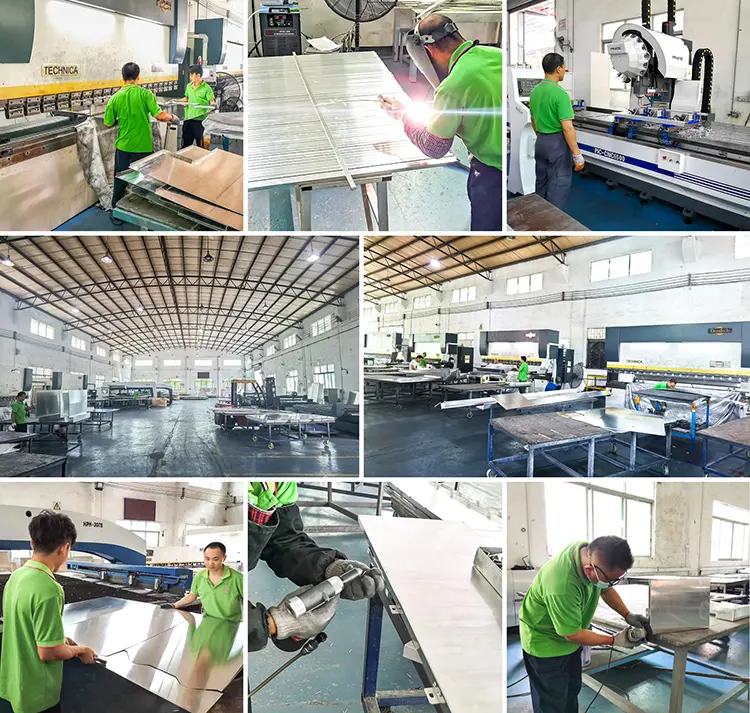
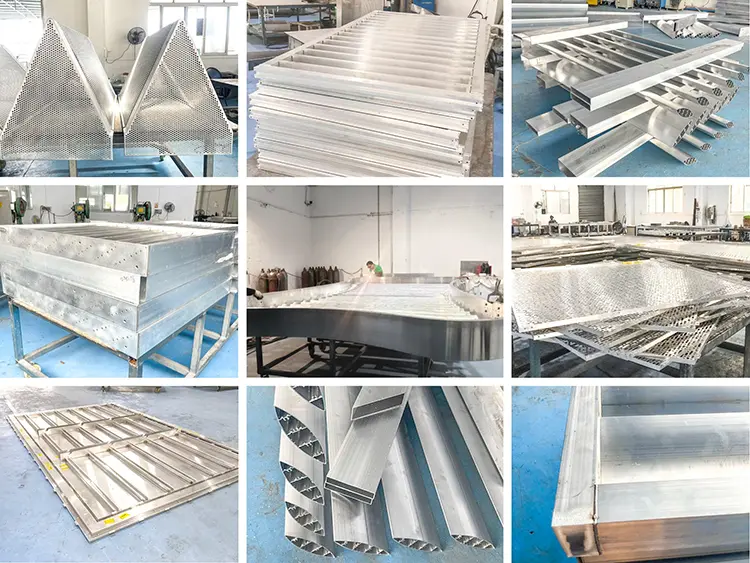
When a supplier says they can make curtain wall aluminum panels, ask for evidence that connects to your project risk. A finished project photo is helpful, but it is not enough. You also need to see how the panels are made and checked before delivery.
For aluminum curtain wall panels, useful proof includes panel backs, folded edges, stiffeners, hangers, punching or bending details, coating preparation, packing method, and finished project photos. These details help you judge whether the supplier is a real fabricator or only a trading middle step.
Likton works with custom aluminum veneer panels, facade wall panels, perforated panels, curved panels, soffit panels, column covers, and exterior cladding panels. In a practical project discussion, the useful part is not a slogan. It is whether the factory can review drawings, identify fabrication risks, and prepare panels that installers can actually use.
How Panel Design Affects Quality and Cost
The panel design has a direct effect on price, production time, and site risk. A simple flat panel with a standard color is easier to quote and produce. A large curved panel with special coating, tight joint lines, and hidden fixing details needs more review.
| Design Factor | Effect on Cost or Risk | What Buyers Should Do |
|---|---|---|
| Panel size | Oversized panels are harder to keep flat and harder to pack. | Confirm maximum practical size and whether panels should be divided. |
| Thickness | Thickness affects strength, flatness, weight, and price. | Review thickness together with folded edges, stiffeners, and fixing method. |
| Folded edge depth | Weak edges can increase waviness and installation problems. | Ask the manufacturer to review edge depth before production. |
| Curved or irregular shape | Custom forming may need samples and tighter drawing control. | Provide radius, 3D intent if available, and installation sequence. |
| Coating color | Special colors and gloss levels need batch control. | Provide color code, sample requirement, and acceptable visual standard. |
Common Mistakes When Choosing a Curtain Wall Panel Supplier
1. Sending only a reference picture
A reference picture is useful for design intent, but it is not enough for quotation or production. The supplier still needs panel dimensions, thickness, coating, color, quantity, fixing method, and delivery information.
2. Comparing quotes without checking scope
Two suppliers may quote very different prices because they are not quoting the same thing. One quote may include stiffeners, PVDF coating, export packing, and panel numbering. Another may only include basic panel fabrication.
3. Ignoring panel backs
Buyers often focus on the front surface, but the back side affects installation. Hangers, stiffeners, folded edges, rivets, and labels should be checked before mass production.
4. Confirming coating too late
Exterior projects should confirm coating type, color code, gloss, sample approval, and batch consistency early. Changing coating details after production planning can delay the project.
5. Forgetting packing and site sequence
Good panels can still arrive with problems if packing, labeling, and loading are not planned. Export projects should confirm panel numbering and packing protection before shipment.
What Information Should You Send for an Accurate RFQ?
If you want a useful quotation, send more than the product name. A good RFQ should help the manufacturer understand the project, not guess the missing details.
- Project location and building type.
- Elevation drawings, shop drawings, or facade drawings if available.
- Panel size, thickness, alloy if specified, and quantity.
- Surface finish, coating type, color code, and gloss requirement.
- Joint width, folded edge requirement, fixing method, and installation system.
- Special details such as perforation, curve, welding, irregular shape, or stiffeners.
- Sample or mock-up requirement.
- Packing requirement, delivery destination, and expected lead time.
- Any fire, wind-load, coating, or consultant requirement that must be confirmed before production.
How Likton Fits This Type of Project
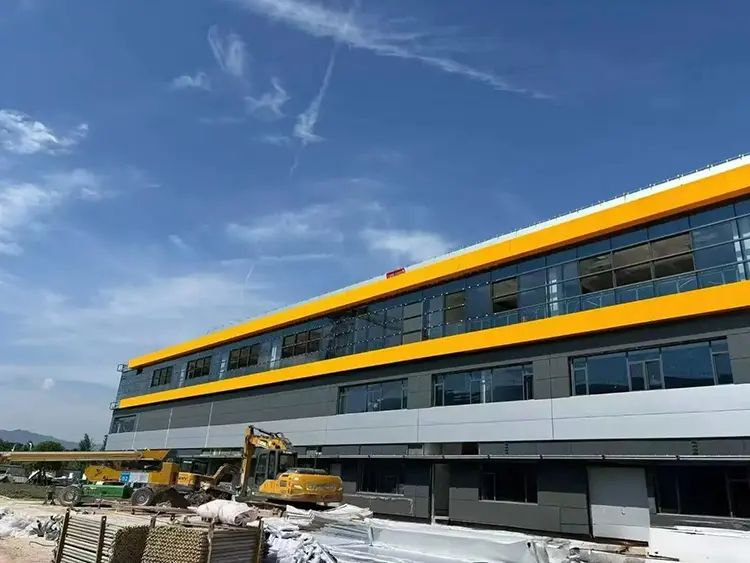
Likton is most useful when the buyer needs custom aluminum facade panels rather than only standard flat sheet supply. For curtain wall panel projects, Likton can review drawings, discuss panel size and folded edge details, prepare custom aluminum veneer panels, support PVDF coating requirements, check panel backs and reinforcement details, and arrange export packing for finished panels.
The practical value is early risk checking. If a panel is too large, too weak, difficult to form, or missing fixing information, it is better to find that issue before coating and shipment. That is why drawing review, sample approval, and production-detail photos are important parts of a serious RFQ process.
FAQ
What is the difference between an aluminum curtain wall panel manufacturer and a sheet supplier?
A sheet supplier mainly provides raw or finished sheet material. A curtain wall panel manufacturer fabricates project panels with cutting, bending, folded edges, stiffeners, hangers, coating coordination, packing, and project-specific review.
What should I check before choosing an aluminum curtain wall panel manufacturer?
Check drawing review ability, production process, coating control, panel back structure, quality inspection, packing method, export experience, and whether the quotation includes the same scope as other suppliers.
Can one manufacturer make both flat and curved aluminum curtain wall panels?
Some manufacturers can, but you should confirm the radius, panel segmentation, forming process, sample approval, and installation details before production. Curved panels usually need more drawing review than standard flat panels.
Why are folded edges and stiffeners important?
Folded edges and stiffeners help support panel strength, flatness, and fixing reliability. For large exterior panels, choosing thickness alone is not enough; the whole panel structure should be reviewed.
Which coating is commonly used for exterior aluminum curtain wall panels?
PVDF coating is commonly selected for exterior aluminum panels where UV exposure, rain, and color stability are concerns. The exact coating requirement should follow the project specification and consultant requirements.
Why do manufacturers need drawings before giving an accurate price?
Drawings show panel size, shape, joint width, fixing points, quantity, and installation conditions. Without these details, the price may miss important cost items such as stiffeners, special forming, coating, packing, or panel numbering.
Send the Right Details Before You Ask for Price
If you are preparing a facade quotation, send the drawings, panel size, surface finish, color code, quantity, and delivery destination. Likton can review the fabrication details and suggest a practical aluminum curtain wall panel solution before production.