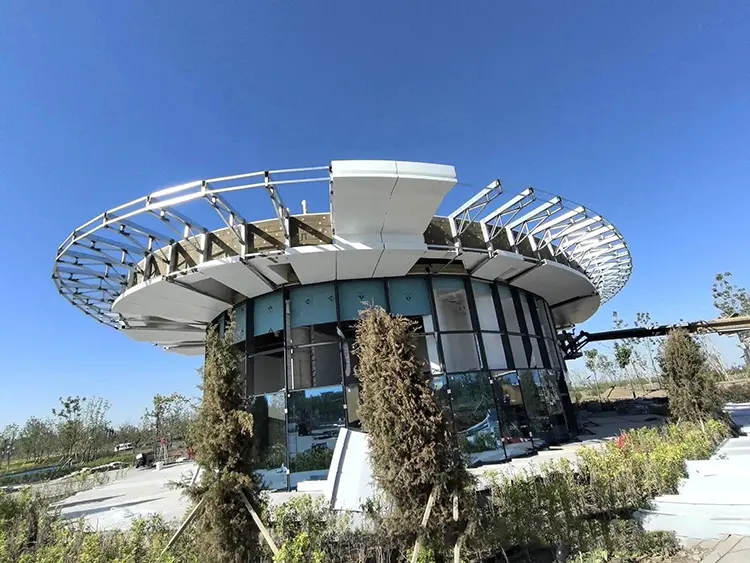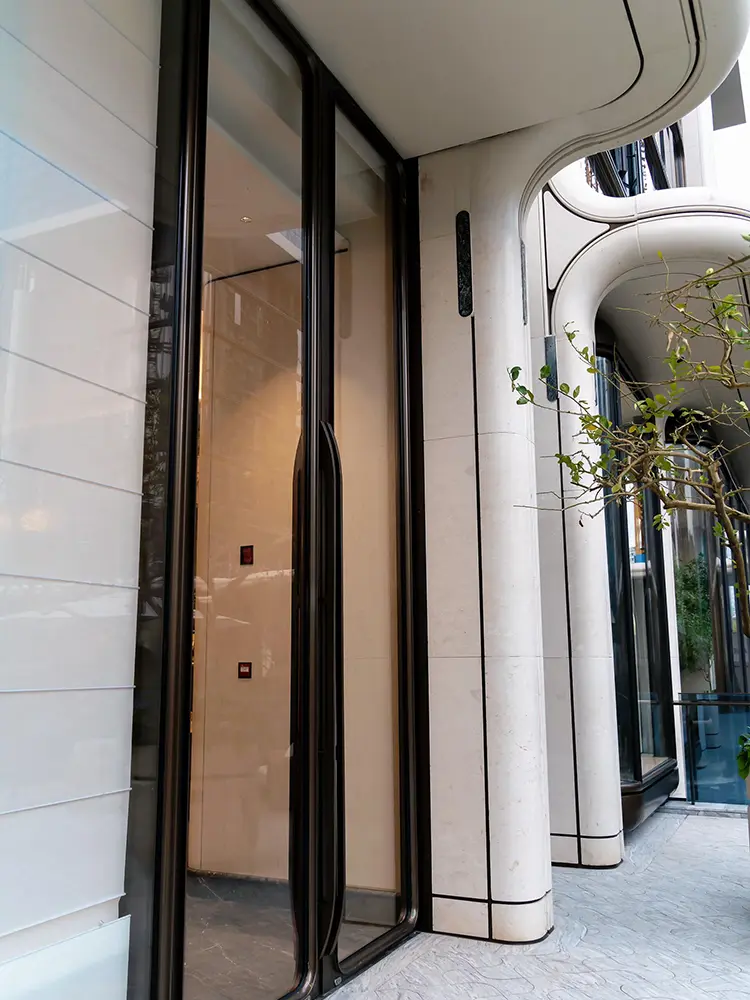
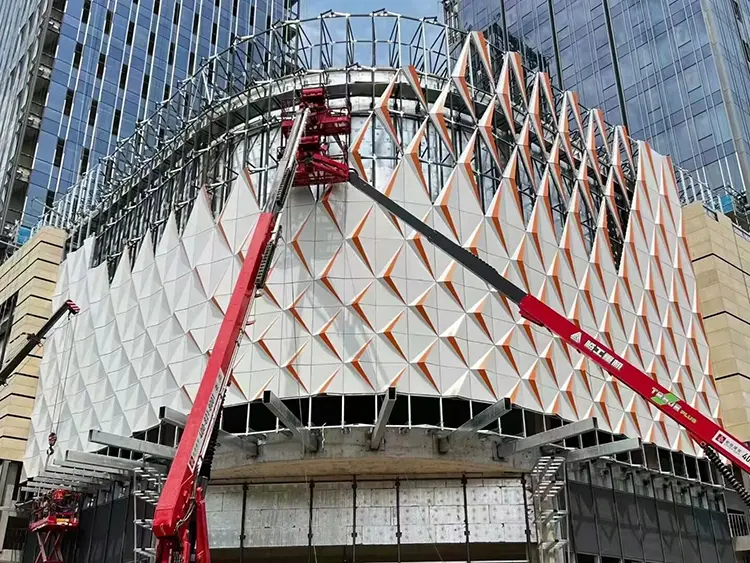
Short answer: a metal curtain wall system is an exterior facade system that uses metal panels, subframes, brackets, joints, and weather-resistant finishes to protect and decorate a building. For most projects, the real decision is not simply “metal or glass.” Buyers need to choose the right panel type, thickness, coating, fixing method, fire performance, and supplier production capability.
This guide explains metal curtain wall systems in plain English. It is written for architects, contractors, facade consultants, and procurement teams who need a practical way to compare options and prepare a useful quotation request.
What Is a Metal Curtain Wall System?
A metal curtain wall system is a non-load-bearing exterior wall system. It covers the outside of the building, but it does not carry the main building structure. The system usually includes metal panels, support framing, fixing brackets, sealant or open joints, insulation, waterproofing, and sometimes ventilation cavities.
In Likton’s projects, the metal panel layer is often made from solid aluminum panels, aluminum veneer panels, perforated panels, curved panels, soffit panels, column panels, or other custom facade panels. The best system depends on project height, climate, fire requirements, design style, and budget.
| System Part | What It Does | Buyer Should Check |
|---|---|---|
| Metal panels | Create the visible facade surface | Material, thickness, coating, size, flatness |
| Subframe and brackets | Connect panels to the building structure | Wind load, fixing method, corrosion protection |
| Joints | Control movement, drainage, and appearance | Joint width, sealant, open-joint design, tolerance |
| Coating or finish | Protects surface color and weather resistance | PVDF, powder coating, anodized finish, warranty |
| Insulation and waterproofing | Improve comfort and protect the wall behind | Thermal design, fire safety, drainage path |
When Should You Choose a Metal Curtain Wall Instead of Glass?
Glass curtain walls are useful when the building needs transparency and daylight. Metal curtain wall systems are better when the project needs privacy, stronger sun control, easier shaping, lower glare, better impact resistance, or a more solid architectural look.
| Project Need | Metal Curtain Wall Advantage |
|---|---|
| Curved or shaped facade | Aluminum panels can be bent, rolled, welded, and formed into custom shapes |
| Lower glare and stronger privacy | Solid or perforated panels can block direct views and reduce reflected light |
| Facade renovation | Lightweight metal panels can refresh old building exteriors without heavy stone loads |
| High design flexibility | Panels can use PVDF color, anodized finish, wood grain, perforation, or 3D shapes |
| Mechanical or parking areas | Perforated metal screens can hide equipment while allowing ventilation |
Common Metal Panel Types
Not every metal curtain wall uses the same panel. The right panel type depends on fire requirements, flatness, budget, shape, and building use.
| Panel Type | Best For | What to Watch |
|---|---|---|
| Solid aluminum panel | High-end facades, curved shapes, soffits, columns, better fire-safety needs | Higher initial cost than ACP, but stronger custom capability |
| Aluminum composite panel | Budget cladding, signage, interior or low-risk areas | Core material and fire rating must be checked carefully |
| Aluminum honeycomb panel | Large flat surfaces and high flatness requirements | More complex structure and quotation details |
| Perforated aluminum panel | Ventilation, sunshade, parking garages, decorative screens | Open area affects strength, airflow, light, and cost |
| Stainless steel or other metals | Special visual effects or high-impact areas | Heavier, often more expensive, and needs different fixing design |
For many commercial building facades, solid aluminum veneer panels are a practical choice because they can be customized, coated, formed, and reinforced according to drawings.
Likton Factory Capability for Metal Curtain Wall Panels
Metal curtain wall panels are project-made products. The drawing, panel size, folding direction, joint width, fixing position, coating, and packing all affect the final result. Likton supports custom aluminum facade panel production from drawing review to finished panel shipment.
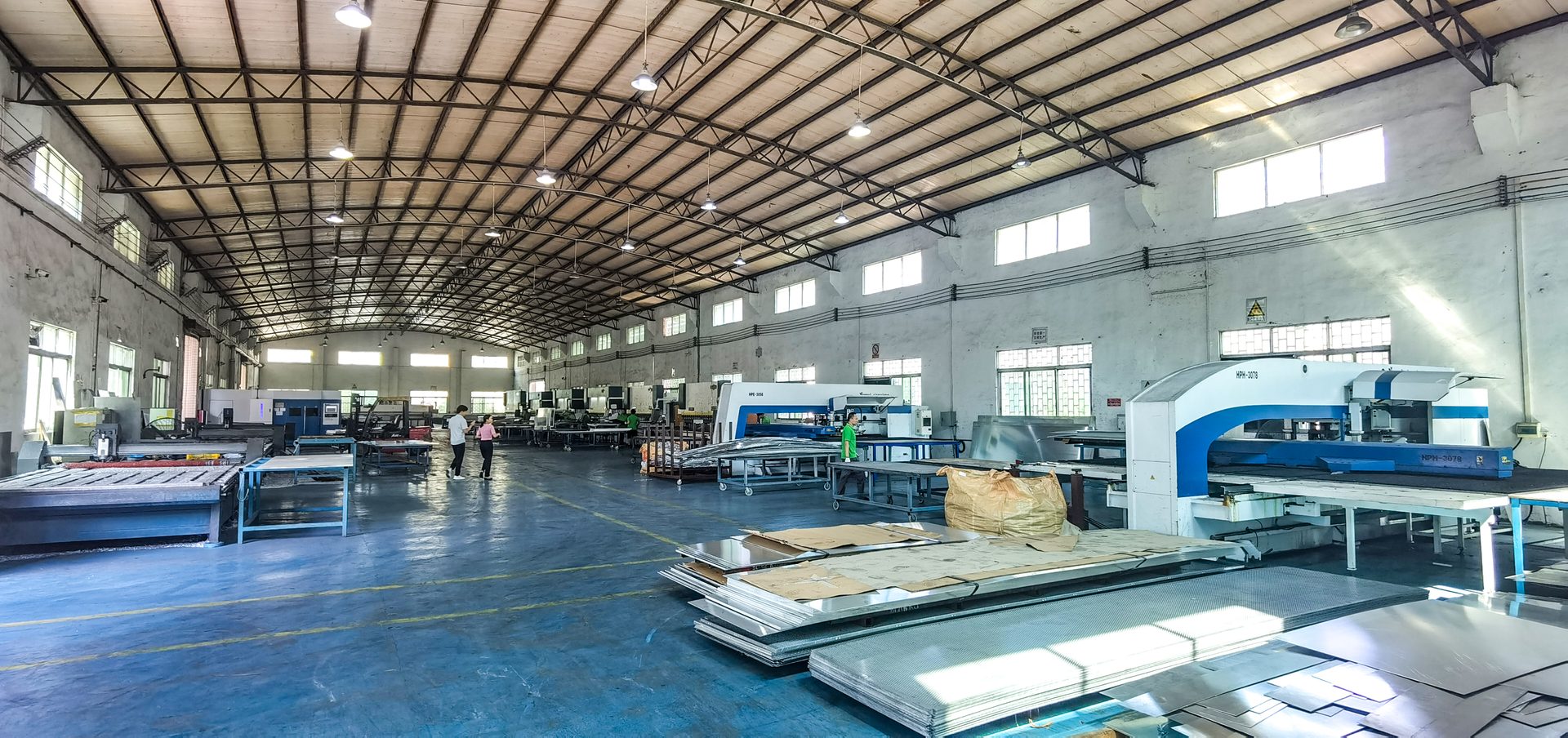
Our work is not just selling a material name. For a facade project, we help check whether the panel size is realistic, whether folded edges and stiffeners are needed, whether the coating fits the climate, and whether the packing method can protect finished panels during export shipping.
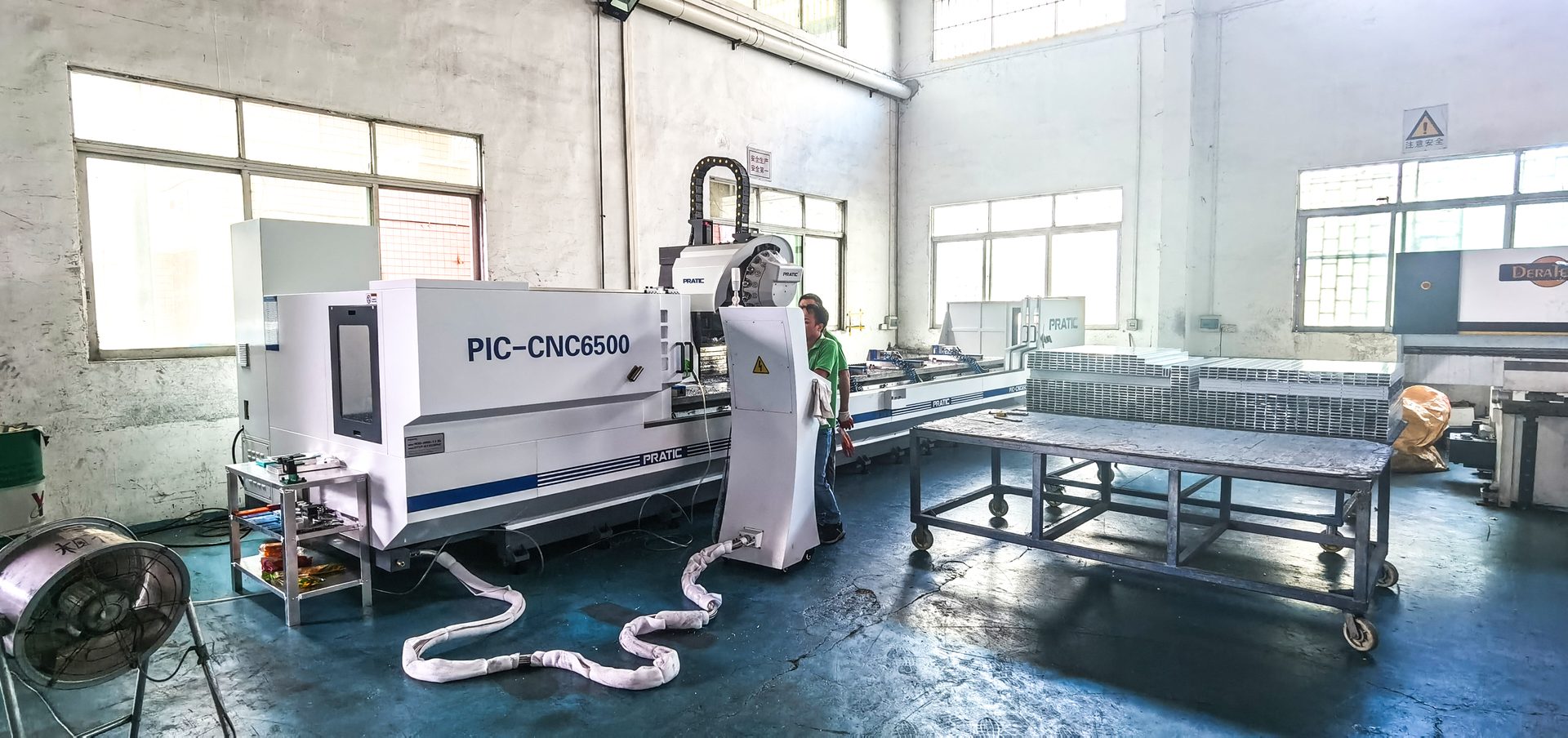
How Likton Produces Custom Metal Curtain Wall Panels
- Drawing review: check panel size, joint width, folding direction, fixing points, corner detail, and installation logic.
- Material selection: choose solid aluminum panel thickness, alloy, and surface finish according to project requirements.
- CNC cutting and machining: process holes, slots, special shapes, repeated sizes, and panel outlines.
- Bending and forming: fold edges, form returns, and prepare curved or shaped panels.
- Welding and grinding: process corners, special shapes, and complex details when needed.
- Back stiffener assembly: reinforce large panels for better flatness and wind-load performance.
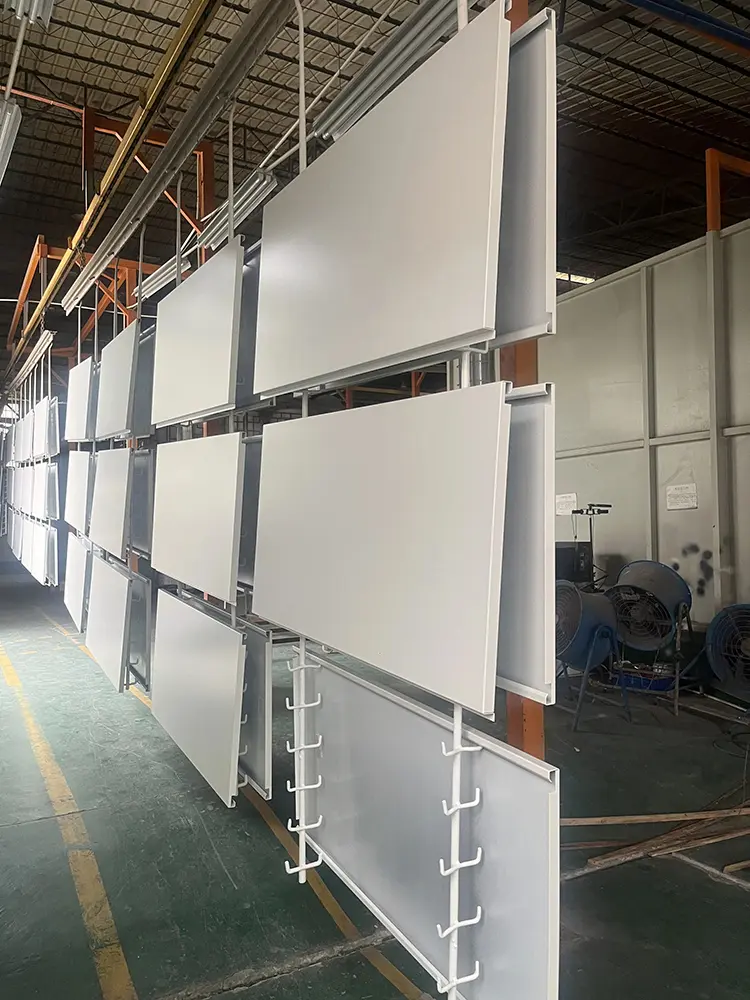
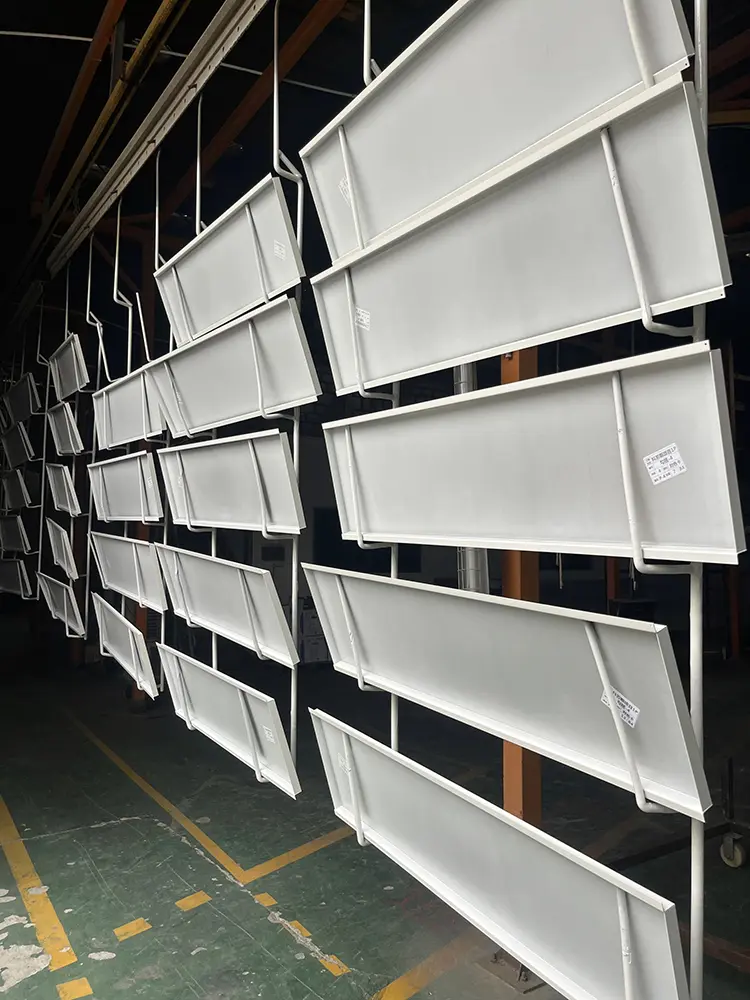
- Surface treatment and coating: apply PVDF, powder coating, or other specified finishes.
- QC and packing: inspect dimension, color, surface, flatness, and export packaging before shipment.
Coating and Surface Finish: Why the Spray Line Matters
The coating is one of the most important parts of a metal curtain wall system. A panel can be the right thickness and shape, but if the surface finish is weak, the facade may fade, chalk, or lose gloss too quickly.
For exterior aluminum curtain wall panels, PVDF coating is often preferred when the building is exposed to strong sun, rain, humidity, coastal air, or urban pollution. Powder coating can still be useful for interior panels or protected areas, but exterior warranty and color stability should be confirmed.
| Finish | Best Use | Buyer Tip |
|---|---|---|
| PVDF coating | Long-term exterior aluminum curtain wall panels | Best when color stability and weather resistance matter |
| Powder coating | Interior or protected exterior areas | Confirm outdoor warranty before using on exposed facades |
| Anodized finish | Natural metallic architectural appearance | Elegant, but color range is limited |
| Wood grain or stone effect | Decorative or hospitality projects | Ask for exterior durability data before choosing |
How Thick Should Metal Curtain Wall Panels Be?
Panel thickness affects flatness, strength, weight, and cost. The correct thickness depends on panel size, wind load, building height, open area, folded edge depth, and reinforcement.
| Thickness | Common Use | Simple Advice |
|---|---|---|
| 1.5 mm | Interior walls, ceilings, small decorative panels | Usually not for main exterior curtain wall panels |
| 2.0 mm | Small exterior panels, soffits, low-rise areas | Use only when panel size and wind load are controlled |
| 2.5 mm | Common exterior aluminum facade panels | Balanced choice for many commercial projects |
| 3.0 mm | High-rise facades, large panels, stronger wind-load zones | Better stiffness and flatness, but higher cost |
| 4.0 mm+ | Special heavy-duty or large-format custom panels | Use when engineering calculation requires it |
What Affects the Price?
Metal curtain wall system pricing depends on more than panel area. When comparing quotations, make sure every supplier is quoting the same structure and scope.
| Cost Factor | Why It Matters | What to Confirm |
|---|---|---|
| Panel type | Solid aluminum, ACP, honeycomb, and perforated panels have different costs | Confirm product structure first |
| Thickness and alloy | More aluminum increases cost but improves stiffness | Check real thickness and tolerance |
| Shape complexity | Curved, folded, welded, and perforated panels need more processing | Send drawings before asking final price |
| Surface finish | PVDF, metallic, anodized, and special colors cost differently | Confirm coating type, color code, and warranty |
| Subframe and accessories | Brackets, rails, screws, and installation method can change the system cost | Confirm whether only panels or the full system is included |
| Packing and shipping | Finished coated panels need careful export protection | Check crate method and loading plan |
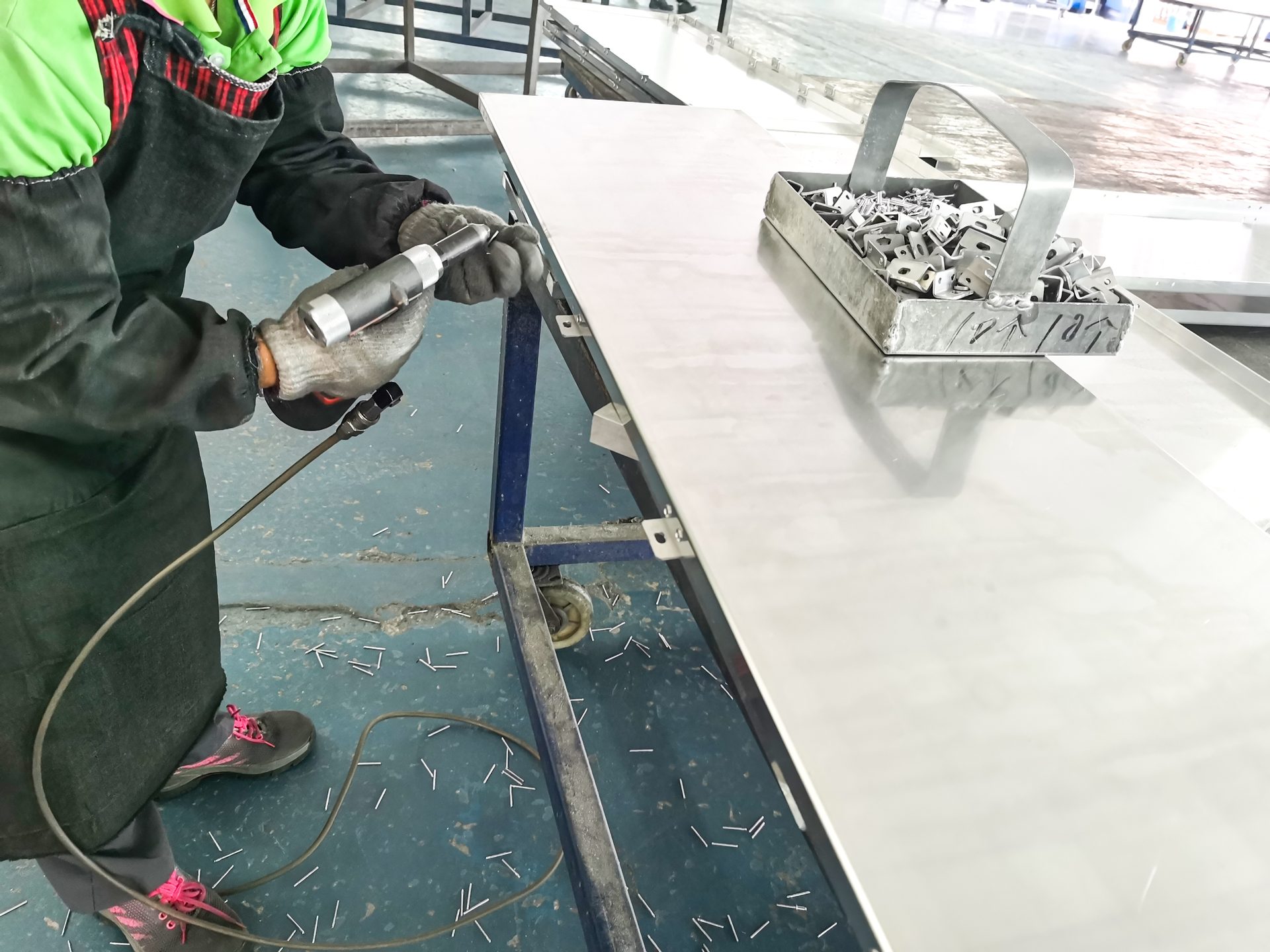
Quality Details Buyers Should Check
A metal curtain wall system has many small details. If these details are ignored, installation can become slow, joints can look uneven, or panels can be damaged during transport.
- Panel layout: check joint width, module size, corner panels, and window returns.
- Fixing system: confirm whether brackets, subframe, screws, and accessories are included.
- Thermal movement: metal expands and contracts, so the system must allow movement.
- Drainage: water should not be trapped behind the panels.
- Flatness: large panels may need folded edges and back stiffeners.
- Color consistency: large projects need batch control and sample approval.
- Packing: finished coated panels need protective film, corner protection, and strong crates.
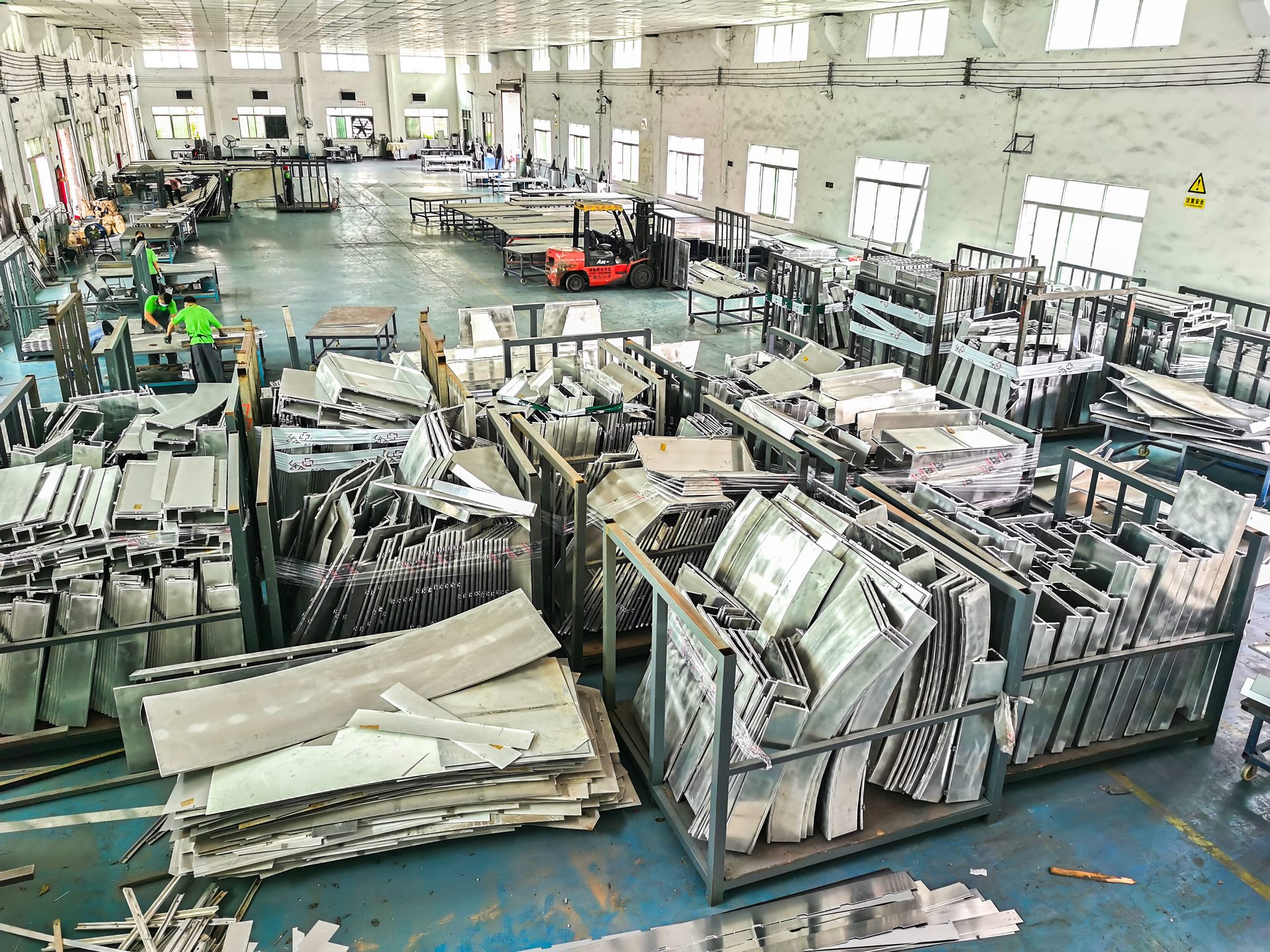
Common Mistakes to Avoid
- Comparing only square-meter price without checking panel type and scope.
- Using interior-grade coating on exposed exterior panels.
- Making panels too large without checking flatness and wind load.
- Ignoring subframe, bracket, and fixing method in the early quotation stage.
- Skipping sample approval for custom color or special surface finish.
- Forgetting export packing for finished coated panels.
- Asking for a final price without drawings, panel sizes, or coating details.
What to Send for an Accurate Quotation
To get a serious quotation, send clear project information. If the supplier only receives “please quote metal curtain wall”, the answer will be rough.
- Project location and building type
- Total facade area and approximate panel quantity
- Elevation drawings, section drawings, or panel layout
- Preferred panel type, or ask supplier to recommend
- Required thickness, alloy, and fire performance if specified
- Coating type, color code, and finish sample if available
- Curved panels, perforated panels, soffits, columns, or special shapes
- Whether you need panels only or a full system with accessories
- Required certificates, test reports, or project documents
- Destination country and target delivery time
FAQ
Is a metal curtain wall load-bearing?
No. A curtain wall is normally non-load-bearing. It covers and protects the exterior, while the main building structure carries the load.
Is aluminum better than steel for curtain wall panels?
Aluminum is lighter and corrosion-resistant, so it is widely used for facade panels. Steel may be used for structural subframes or special applications, but it is heavier and needs stronger corrosion protection.
Can Likton make curved metal curtain wall panels?
Yes. Likton can make curved aluminum panels, column cladding, soffits, folded panels, and custom facade shapes according to project drawings.
Which coating is best for exterior metal curtain wall panels?
For long-term exterior aluminum panels, PVDF coating is usually recommended because it has better resistance to sunlight, weathering, and color fading.
Do I need a sample before mass production?
For custom color, custom shape, perforated pattern, or large facade projects, sample approval is strongly recommended before mass production.
Can Likton help if my drawings are not complete?
Yes. You can send elevation drawings, rough panel sizes, project photos, or design intent first. Likton can help identify missing details needed for a more accurate quotation.
Conclusion
Metal curtain wall systems can give a building a durable, modern, and customized exterior, but the final result depends on more than choosing a metal surface. Buyers need to check panel type, thickness, coating, fixing system, flatness, fire requirements, and supplier production ability.
Likton supports custom aluminum curtain wall panels from drawing review to CNC machining, forming, coating, inspection, and export packing. If you are planning a commercial facade, hotel, office building, public project, or renovation, send your drawings and requirements so we can help check the specification and prepare a practical quotation.
Need Custom Metal Curtain Wall Panels?
Send your drawings, panel size range, coating requirement, and destination country. Likton can help review the system details and quote custom aluminum facade panels.