Short answer: aluminum veneer material selection means choosing the right aluminum alloy, thickness, surface finish, panel structure, and reinforcement for the building environment. For many exterior curtain wall projects, 3003-H24 or 5005 aluminum, 2.5 mm or 3.0 mm thickness, and PVDF coating are common starting points. The final choice should still follow wind load, panel size, location, coating life, fire documents, and installation details.
This guide is for architects, facade contractors, buyers, and project owners who need a clear way to choose aluminum veneer panels without reading a pile of technical jargon.
What Does Aluminum Veneer Material Selection Mean?
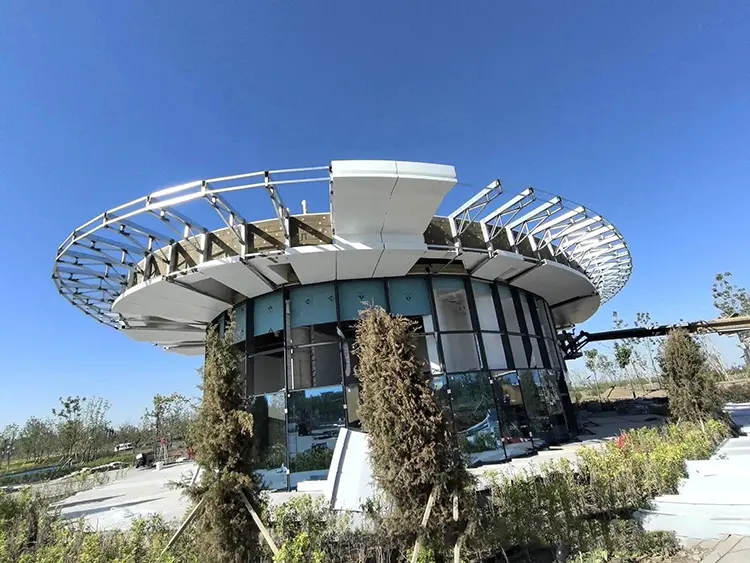
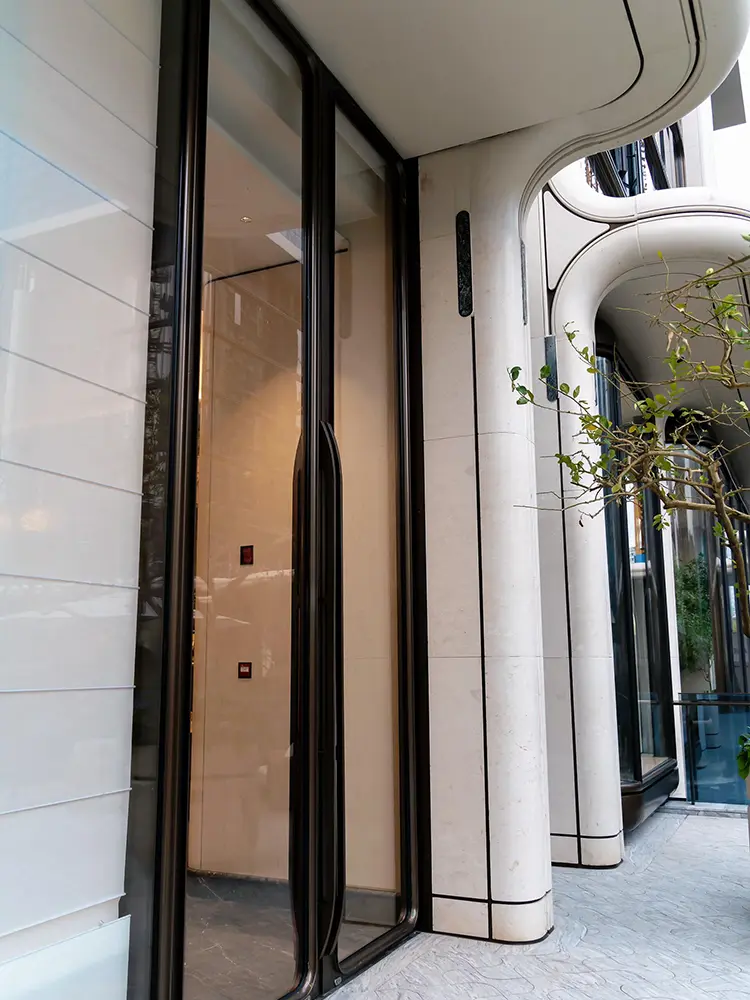
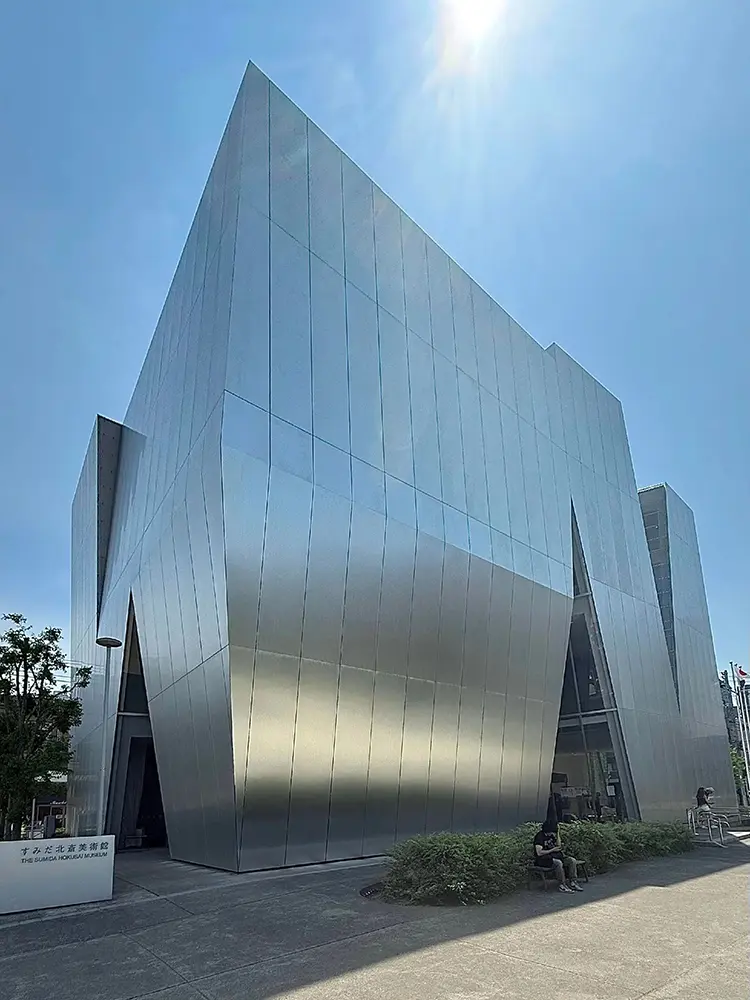
An aluminum veneer panel is a solid aluminum sheet that is cut, bent, welded, reinforced, coated, and installed as an exterior or interior facade panel. It is different from aluminum composite panel because it is a single metal material, not a sandwich panel with a core.
Material selection is not only choosing aluminum. A real project also needs decisions about alloy, thickness, coating, panel size, folded edge, back stiffeners, fixing method, fire documents, corrosion resistance, and packing for delivery.
Which Aluminum Alloy Should You Choose?
The alloy affects forming, strength, corrosion resistance, surface appearance, and price. For facade projects, the most common choices are 3003, 5005, and 5052 aluminum.
| Alloy | Best use | Simple advice |
|---|---|---|
| 3003-H24 | Most standard exterior aluminum veneer panels | Good balance of cost, forming ability, and facade performance. |
| 5005 | Projects needing better surface appearance or anodized finish | Useful when color and surface consistency are very important. |
| 5052 | Higher strength or more demanding environments | Consider for coastal, curved, or stronger panel requirements. |
| Other alloys | Special engineering requirements | Use only when drawings or project standards clearly require them. |
For many commercial building projects, 3003-H24 is enough. If the project is near the sea, needs stronger corrosion resistance, or uses a special surface finish, discuss 5005 or 5052 before ordering.
How Thick Should Aluminum Veneer Panels Be?
Thickness affects flatness, strength, wind resistance, weight, and price. A thicker panel is not always better, but a panel that is too thin can wave or deform after installation.
| Thickness | Common use | What to check |
|---|---|---|
| 1.5 mm | Interior wall, ceiling, small decorative panels | Usually not recommended for main exterior facade panels. |
| 2.0 mm | Small exterior panels, soffits, controlled sizes | Check wind load, support spacing, and panel size carefully. |
| 2.5 mm | General commercial facade panels | A common balance between cost, weight, and performance. |
| 3.0 mm | Exterior curtain wall panels, larger panels, public buildings | Often selected when flatness and impact resistance matter. |
| 4.0 mm or above | Special large panels or demanding engineering zones | Use selectively because weight and cost rise quickly. |
Which Coating or Surface Finish Is Best?
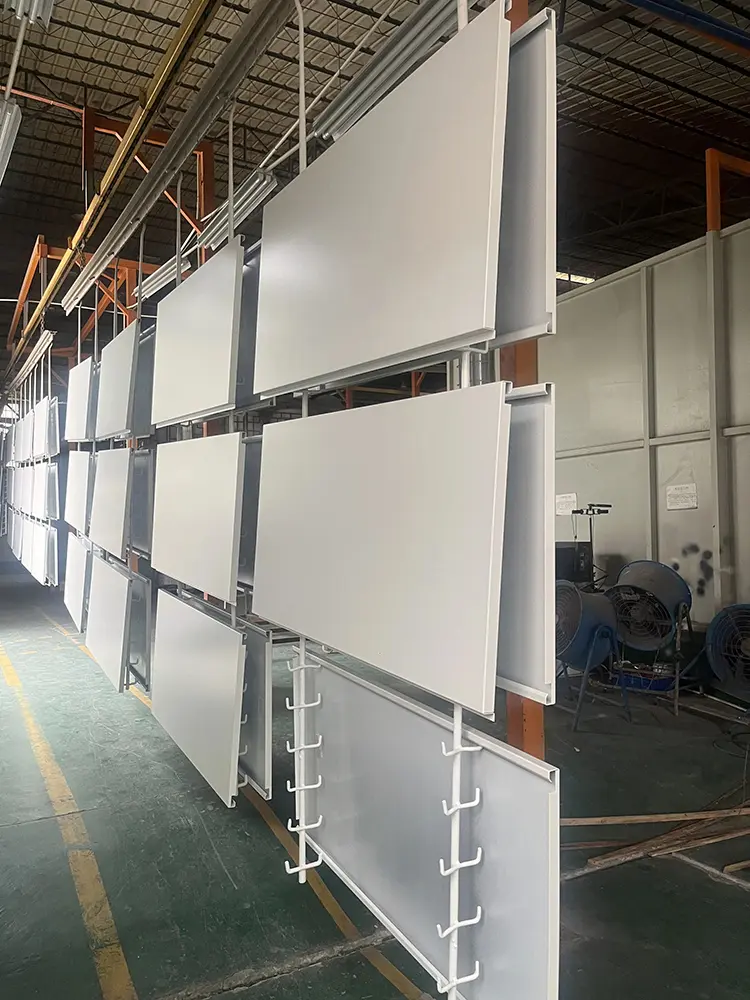
The coating protects the panel and controls the final appearance. For exterior walls, the coating decision is just as important as the aluminum thickness.
| Finish | Best use | Buyer note |
|---|---|---|
| PVDF coating | Long-term exterior facades, strong sun, humid or coastal areas | Good choice when color stability and weather resistance matter. |
| Powder coating | Interior panels, protected exterior zones, budget-sensitive projects | Can be practical, but confirm outdoor warranty and environment. |
| Anodized finish | Metallic appearance and hard surface | Requires good base material and careful color control. |
| Wood grain or stone grain | Decorative facades, soffits, ceilings, feature walls | Ask for sample approval before mass production. |
How Project Location Changes Material Choice
| Project condition | Material selection focus | Practical advice |
|---|---|---|
| Coastal area | Corrosion resistance and coating durability | Discuss alloy, pretreatment, PVDF coating, and stainless fasteners. |
| High UV or desert climate | Color stability and heat exposure | PVDF coating and sample approval are important. |
| High-rise facade | Wind load, fixing, flatness, safety | Confirm thickness, stiffener layout, bracket system, and engineering review. |
| Large flat facade | Wave control and visual flatness | Do not select thickness by price only; check panel module size. |
| Curved or special shape | Forming ability and tolerance | Send radius, drawings, and finish requirements before quotation. |
Likton Factory Capability for Material Selection
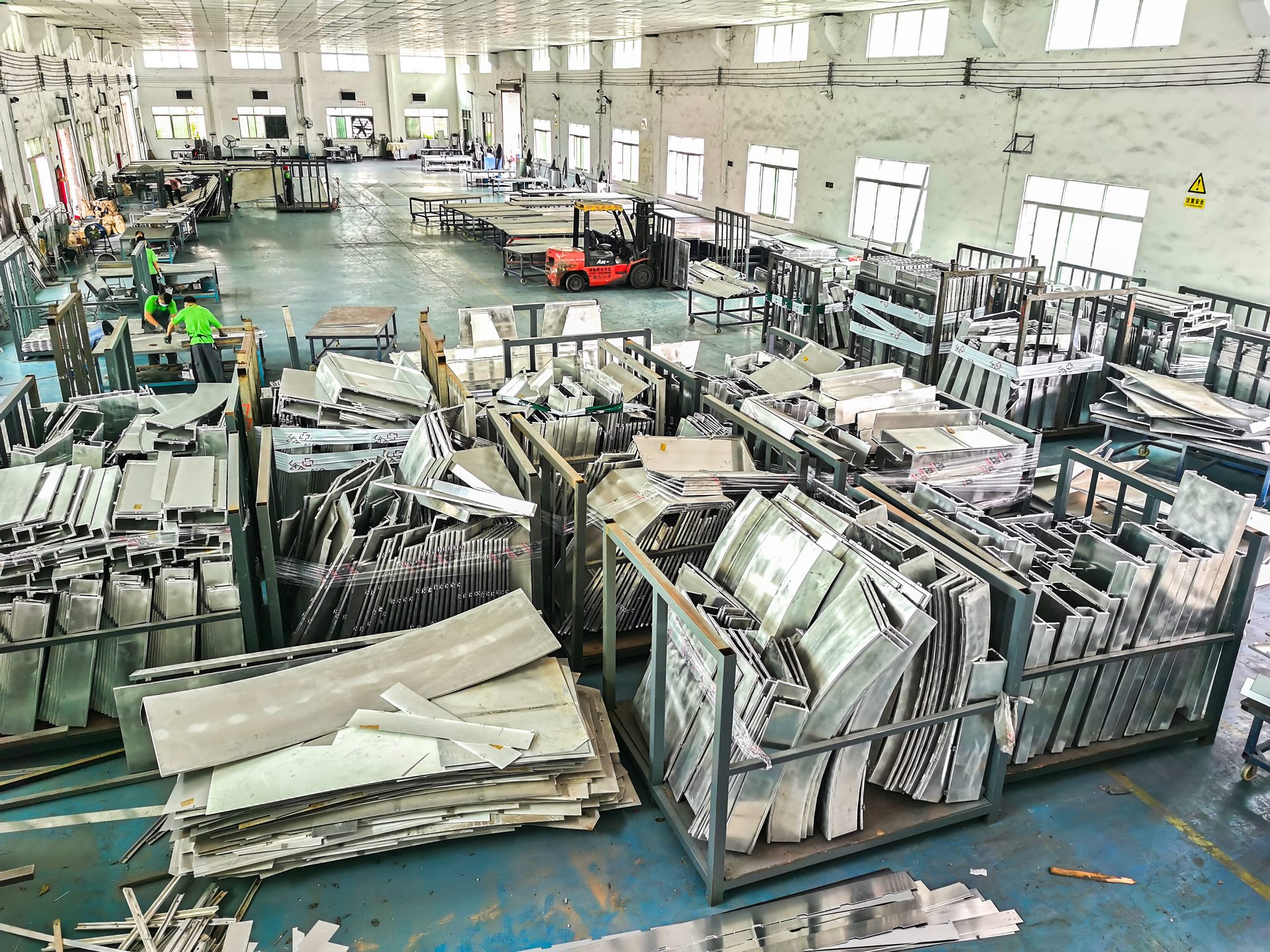
A useful supplier should not only quote a square-meter price. They should help check whether the selected alloy, thickness, coating, folded edge, and stiffener design fit the project. At Likton, drawing review comes before production so obvious risks can be discussed early.
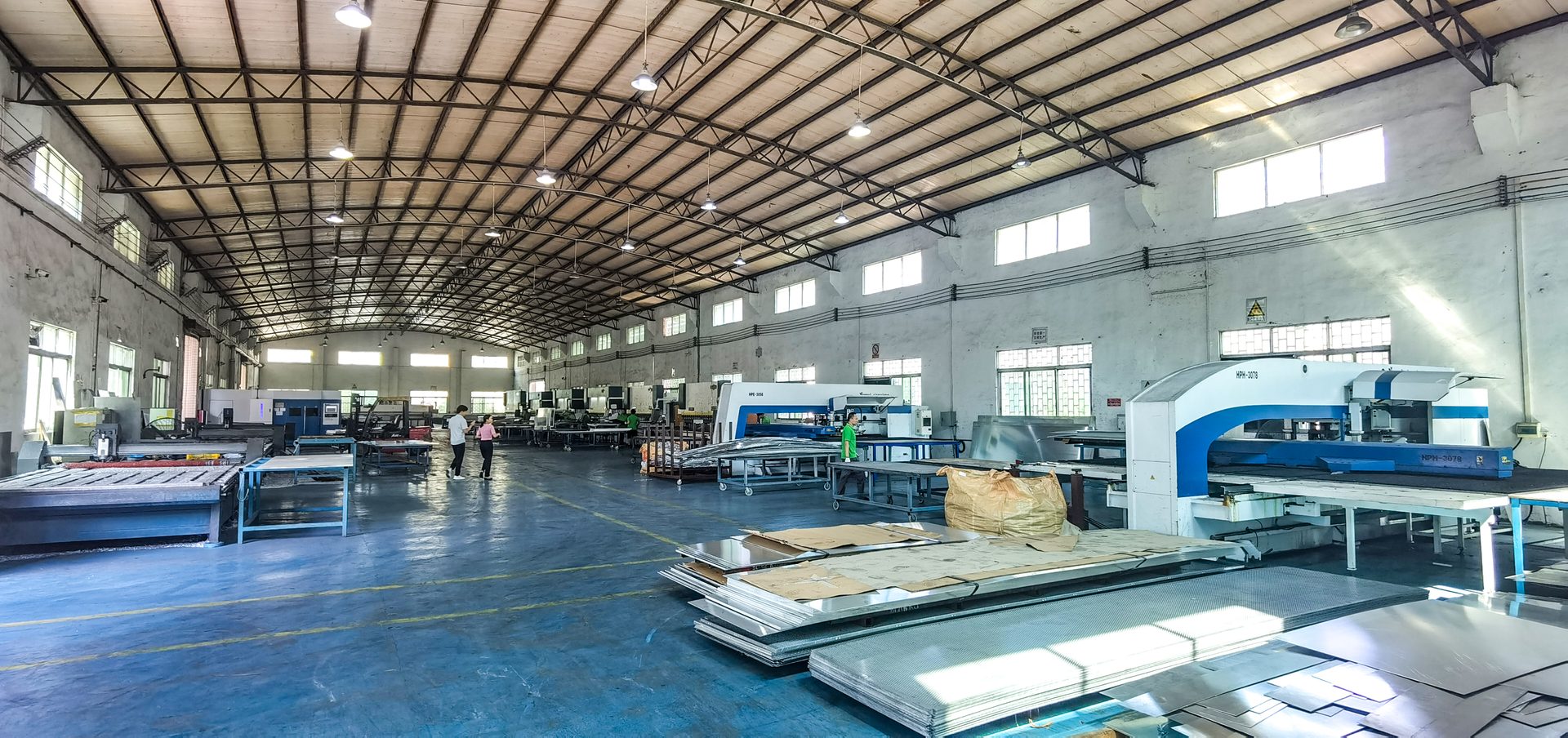
For aluminum veneer projects, Likton checks panel size, joint width, folding direction, edge distance, fixing points, hole pattern if needed, coating requirement, and packing method. This does not replace the project engineer, but it helps avoid avoidable production and installation mistakes.
How Likton Produces Custom Aluminum Veneer Panels
- Drawing review: confirm panel size, thickness, shape, bending direction, joint, and fixing logic.
- Cutting and CNC processing: prepare sheets, holes, slots, and edge details according to drawings.
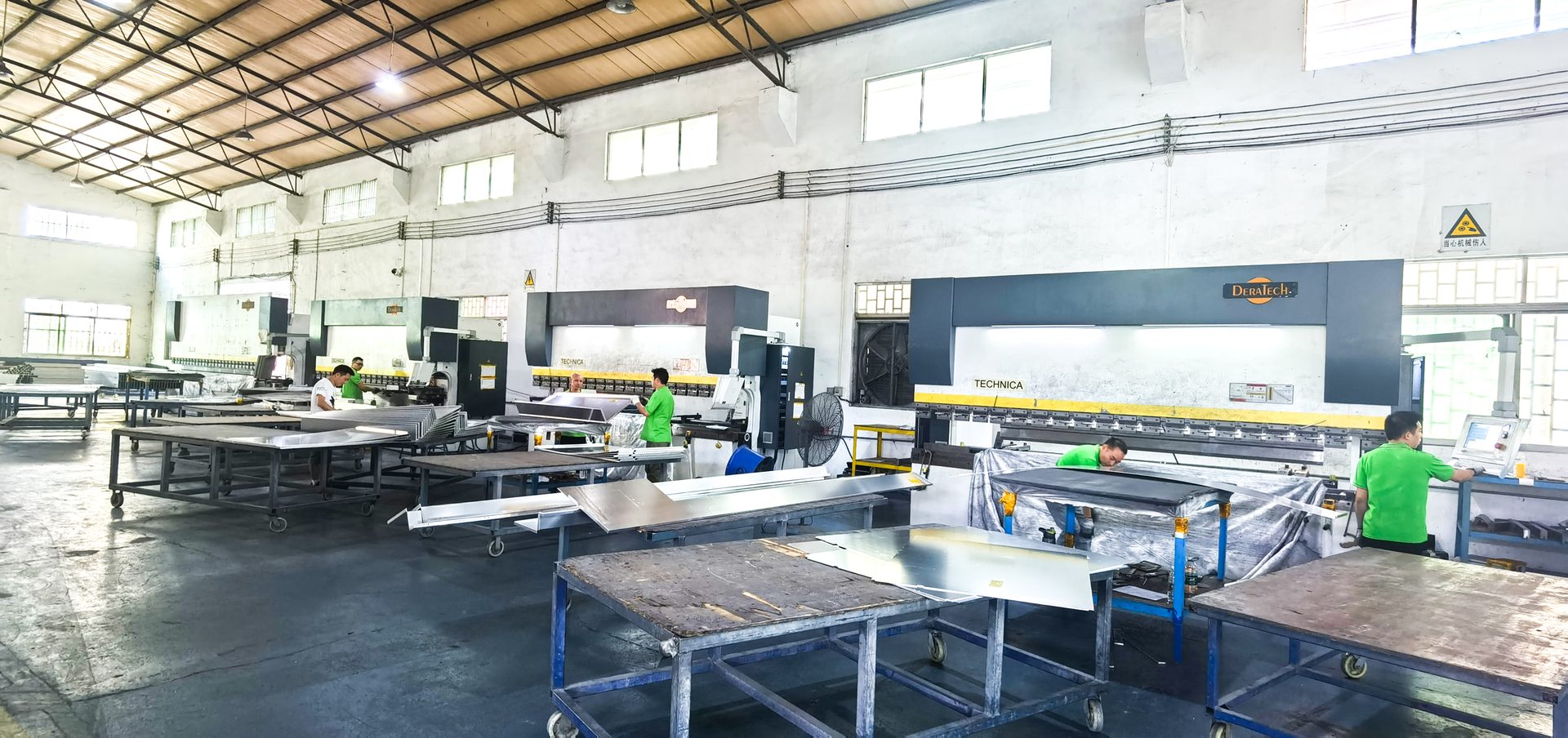
- Bending and forming: create folded cassette panels, column covers, soffits, and custom shapes.
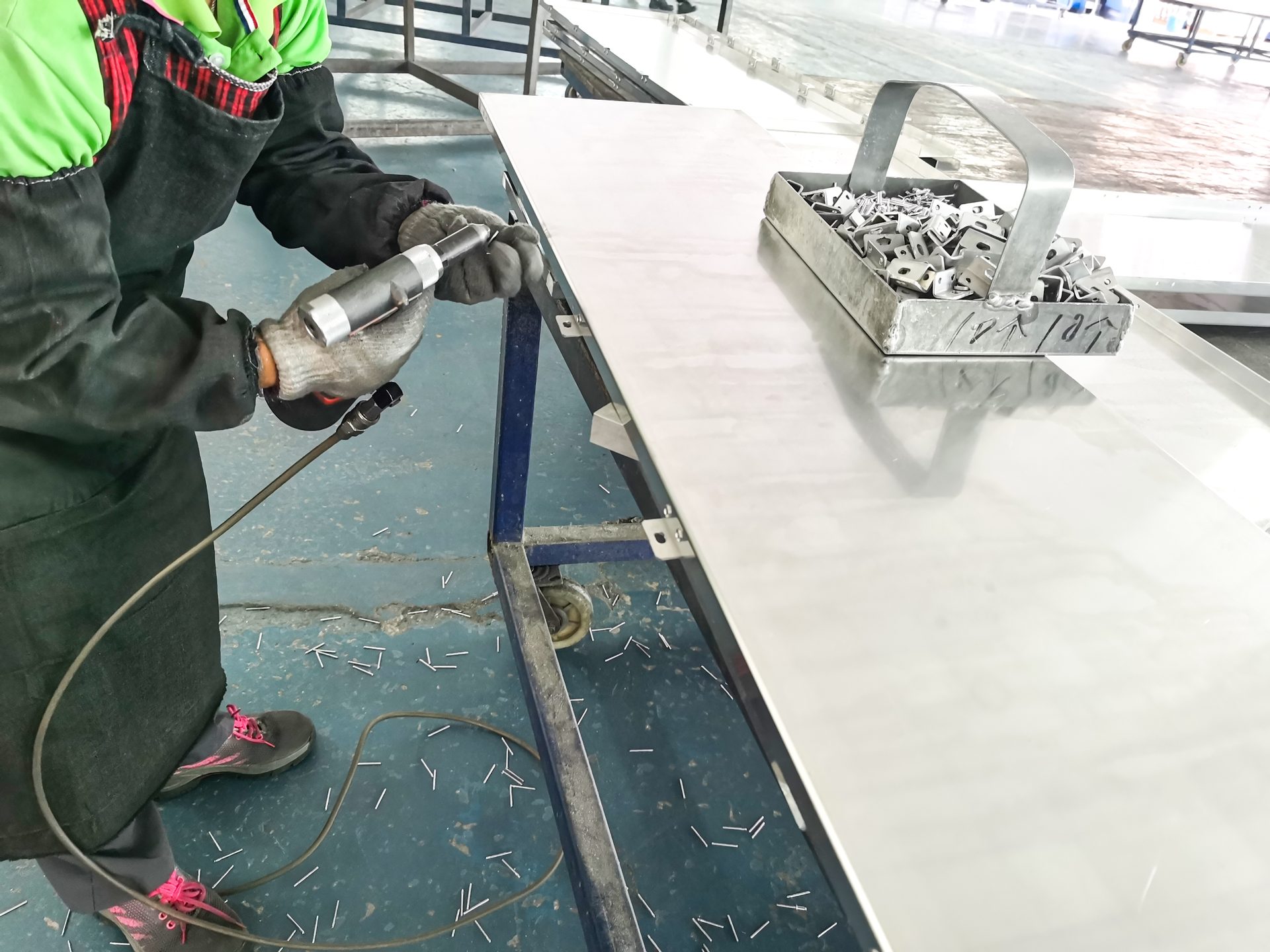
- Welding, grinding, and assembly: process corners, stiffeners, rivets, and reinforcement details where needed.
- Surface treatment: prepare coating, color, gloss, and finish sample according to project requirements.
- Inspection and packing: check dimensions, flatness, color, coating, stiffeners, labels, and export protection.
What Affects Aluminum Veneer Panel Price?
| Price factor | Why it matters | How to control it |
|---|---|---|
| Alloy and thickness | More aluminum and stronger alloy raise material cost. | Choose according to project need, not guesswork. |
| Panel size and shape | Large, curved, welded, or irregular panels require more processing. | Use repeated sizes where possible. |
| Coating | PVDF, powder, anodized, and decorative finishes have different costs. | Confirm color code and sample early. |
| Stiffeners and accessories | Reinforcement improves stability but adds parts and labor. | Confirm from panel size and wind load. |
| Packing and shipping | Export protection reduces damage but affects cost. | Use clear labels, sequence packing, and proper crates. |
Common Mistakes to Avoid
- Choosing the thinnest panel only to reduce the first quote.
- Ignoring wind load, panel module size, and support spacing.
- Using interior-grade finish for long-term exterior use.
- Approving color only on a screen instead of checking physical samples.
- Forgetting folded edge depth, stiffeners, and fixing details.
- Comparing suppliers without checking whether packing, coating, accessories, and documents are included.
What to Send for an Accurate Quotation
- Total facade area and approximate panel quantity.
- Elevation drawings, section drawings, or panel layout.
- Required alloy and thickness, if already specified.
- Panel size range and any curved or special shapes.
- Coating type, color code, gloss, and finish sample if available.
- Fire, coating, or quality documents required by the project.
- Destination country, packing requirement, and target delivery time.
FAQ About Aluminum Veneer Material Selection
What is the most common aluminum alloy for veneer panels?
3003-H24 is commonly used for standard aluminum veneer facade panels because it gives a practical balance of cost, forming ability, and facade performance.
Is 3.0 mm aluminum veneer always better than 2.5 mm?
No. 3.0 mm is stronger and flatter, but it costs more and weighs more. The right choice depends on panel size, wind load, installation height, support spacing, and budget.
Which coating is best for exterior aluminum veneer panels?
PVDF coating is usually recommended for long-term exterior use, especially in strong sunlight, humid climates, coastal areas, or polluted cities.
Can aluminum veneer panels be curved?
Yes. Solid aluminum veneer panels can be bent, rolled, welded, and formed into curved panels, column panels, soffits, and custom facade shapes.
Do large aluminum veneer panels need stiffeners?
Often yes. Large panels, high wind-load areas, and flat facade surfaces may need back stiffeners to improve flatness and stability.
Can Likton help choose the material if drawings are incomplete?
Yes. You can send project location, facade area, rough panel sizes, photos, or elevation drawings first. Likton can help identify the missing details needed for a practical quotation.
Conclusion
Aluminum veneer material selection should be based on project use, not guesswork. Alloy, thickness, coating, panel size, reinforcement, and installation details all affect the final facade quality.
Need Help With Aluminum Veneer Material Selection?
Send your project drawings, target panel size, coating requirement, and destination country. Likton can help review the material specification and quote custom aluminum veneer panels.
Send Drawings for a Quote View Aluminum Facade Solutions