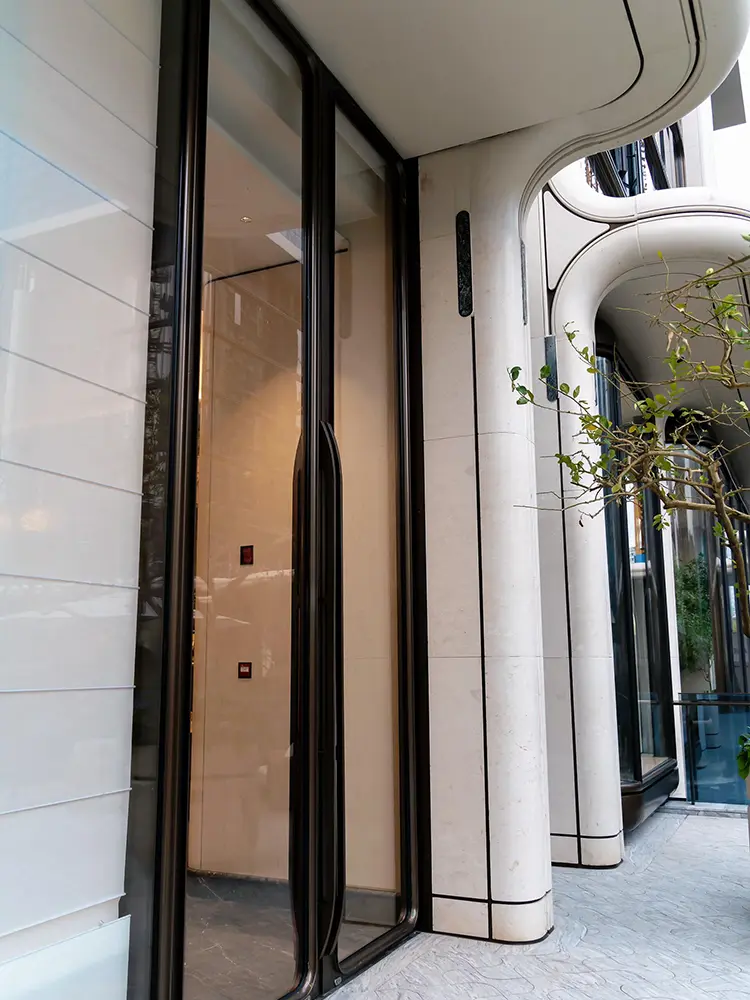
Short answer: choose curtain wall materials by project risk, not by the material name alone. Glass, solid aluminum panels, aluminum composite panels, steel supports, insulation, gaskets, sealants, and coatings all have a place. The right choice depends on building height, wind load, fire rules, panel size, shape complexity, cleaning access, budget, and how much site adjustment the contractor can tolerate.
The real question behind “curtain wall materials” is usually not academic. A designer wants the facade to look right. A contractor wants panels that fit. A buyer wants a quote that does not hide later costs. An owner wants the wall to stay clean and safe for years. This guide is written from that practical angle.
First Decide What the Facade Must Survive
Before comparing materials, define the project pressure points. A seaside hotel, a high-rise office, a shopping mall entrance, and a renovation facade should not be specified in the same way. The same aluminum panel that works on a small shopfront may wave on a large tower elevation if the fold depth and stiffeners are wrong.
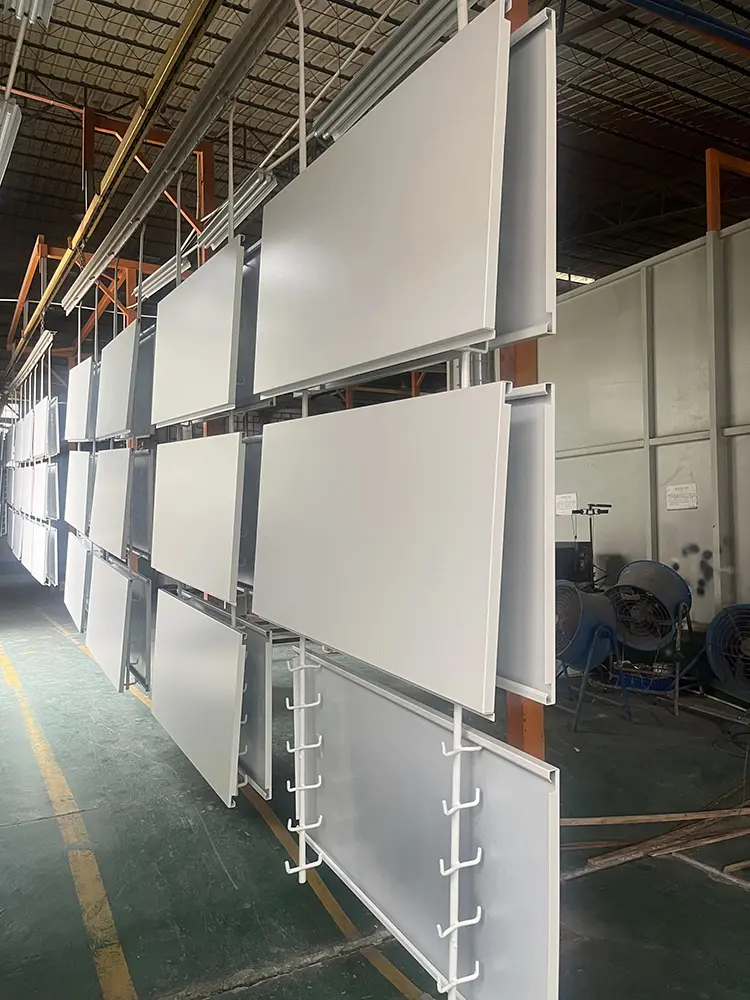
What to Prepare Before Asking for a Quote
| Information | Why the supplier needs it |
|---|---|
| Project location and building type | Weather, wind load, fire rules, and maintenance access change material choice |
| Elevation drawings and panel schedule | Panel sizes, joint layout, and quantities affect price and production |
| Panel thickness or performance target | Thickness alone is not enough, but it starts the stiffness discussion |
| Surface finish, color code, and gloss | Coating system affects exterior durability and color control |
| Special details | Perforation, curves, welding, deep folds, and stiffeners affect processing cost |
| Packing and delivery destination | Export packing, labeling, and loading affect damage risk and site efficiency |
Useful Internal Reading
If cost is the main question, read the aluminum curtain wall cost guide. If the project is focused on opaque metal areas, compare options on the aluminum facade panels hub. For coating decisions, the PVDF aluminum veneer panel guide is a useful next step.
FAQ
What is the best material for a curtain wall?
There is no single best material. Glass is useful for transparent areas. Solid aluminum panels work well for custom opaque facade zones. Composite panels can fit simple flat areas when code and fire rating allow. The best choice depends on the project condition.
When should I choose solid aluminum panels?
Choose solid aluminum panels when the facade needs folded cassette panels, curves, perforation, soffits, columns, better custom fabrication, or a non-composite metal panel. Avoid judging them only by sheet price.
Can aluminum composite panels be used for curtain walls?
They can be used in some simple flat areas, but the core type, fire rating, edge details, and local code must be checked before specification.
Why do curtain wall material quotes vary so much?
Quotes vary because suppliers may include or exclude folding, stiffeners, welding, perforation, coating, shop drawing review, panel numbering, protective film, packing, and delivery support.
What should I send to Likton for a more accurate quote?
Send elevation drawings, panel sizes, quantity, thickness target, coating requirement, color code, project location, fire requirement, and any special details such as perforation, curves, welding, or stiffeners.
If you are comparing curtain wall materials, send the drawings and finish requirements before asking only for a square-meter price. Likton can help review panel feasibility, fabrication risks, coating options, packing requirements, and quote assumptions.