What should buyers check before sourcing aluminum wall and ceiling panels from China?
When sourcing aluminum wall and ceiling panels from China, do not start with price only. The important question is whether the supplier can understand drawings, control finish, fabricate the required shapes, pack coated panels safely, and communicate clearly before production.
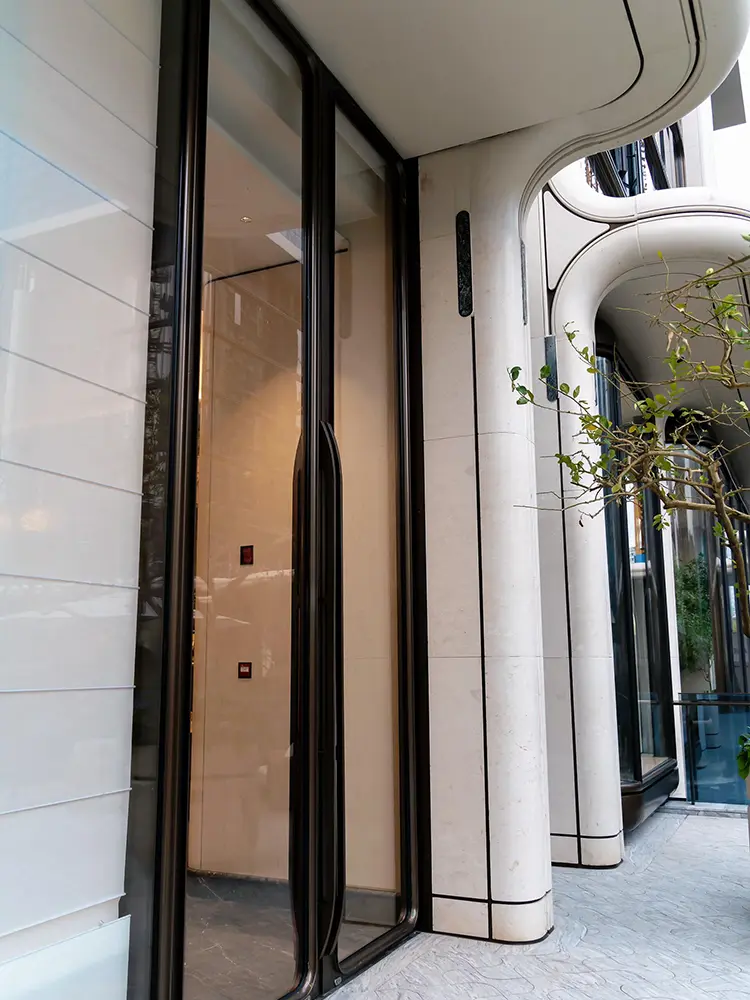
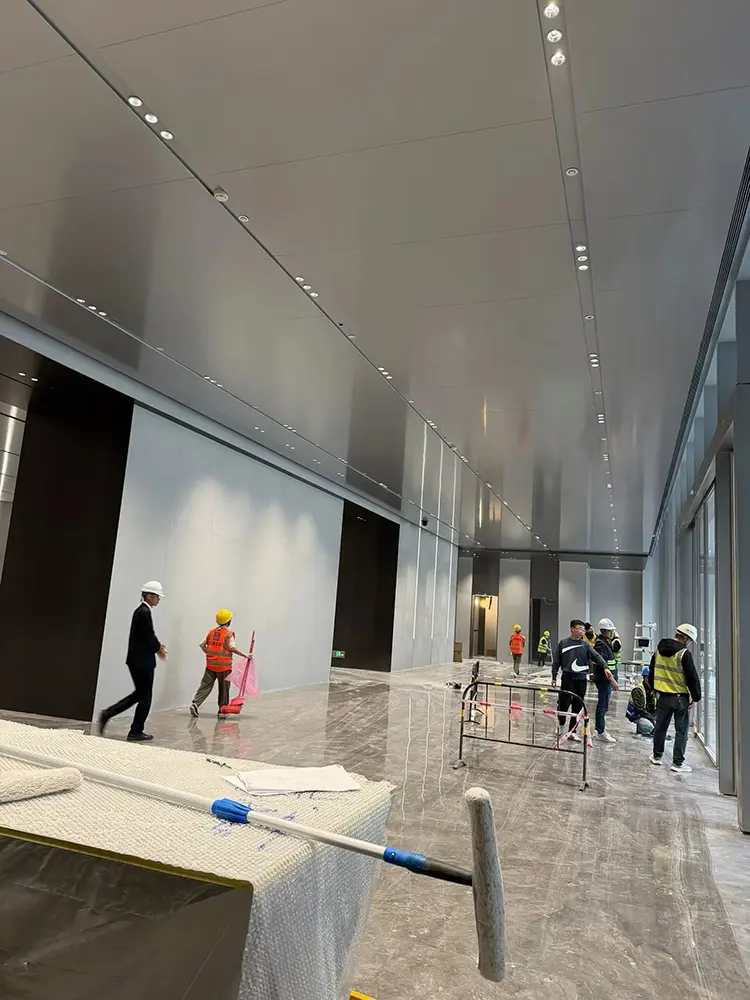
For commercial interiors, facade zones, corridors, lobbies, transport spaces, and public buildings, wall and ceiling panels often need to work together visually. A ceiling may need to match wall cladding. A wood-grain baffle ceiling may need to coordinate with column covers. A lobby wall may need the same color family as a soffit or entrance panel.
If the supplier treats every item as a separate product, the project can end up with color mismatch, missing accessories, unclear installation responsibility, or damaged panels after export shipping. This guide explains how to compare suppliers, what information to prepare, and where the common risks appear.
Why buyers source aluminum wall and ceiling panels from China
China can be a practical sourcing option when the project needs custom fabrication, repeated quantities, mixed panel types, or coordinated surface finishes. Many buyers look for aluminum wall panels, ceiling panels, baffle ceilings, perforated panels, soffits, column covers, and related aluminum decorative panels from one supply chain.
The benefit is not only a lower unit price. The real value appears when the supplier can review drawings, separate product scopes, control samples, plan packing, and reduce project uncertainty before production.
The risk is also clear: if the buyer sends only reference photos or incomplete sizes, even a capable factory may quote the wrong scope. Before comparing suppliers, prepare the project information that affects price, production, and installation.
Wall panels and ceiling panels are related, but not the same
Wall and ceiling panels may use similar materials and finishes, but they do different jobs. A wall panel often needs flatness, edge detail, corner treatment, impact consideration, and cleaning access. A ceiling panel needs suspension, service coordination, access, lighting alignment, and sometimes acoustic or ventilation planning.
| Item | Aluminum wall panels | Aluminum ceiling panels | What buyers should confirm |
|---|---|---|---|
| Main role | Vertical surface, facade, lobby wall, column, entrance, corridor wall | Overhead surface, baffle ceiling, flat ceiling, perforated ceiling, soffit | Whether the finish must match between wall and ceiling areas |
| Common concerns | Flatness, joint lines, corner details, cleaning, coating | Alignment, access, services, lights, sprinklers, ventilation | Installation drawings and service coordination |
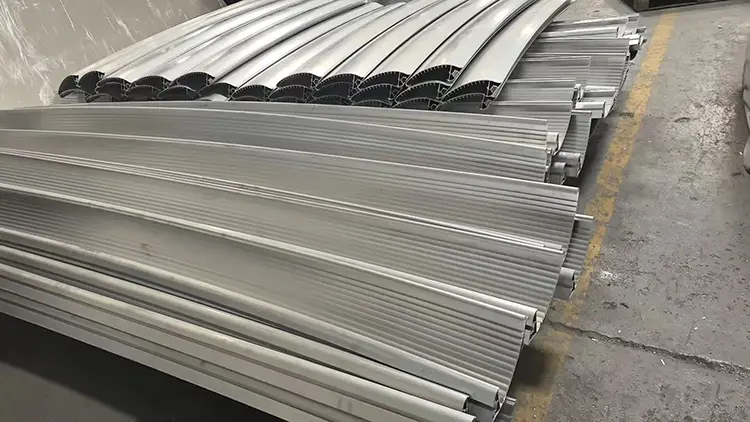
| Shape options | Flat, folded, curved, perforated, column cover, custom geometry | Flat panels, baffles, square tubes, perforated panels, clip-in or lay-in systems | Profile drawings, panel size, suspension method |
| Packing risk | Coated surface scratches, edge damage, wrong sequence | Long profile bending, missing accessories, mixed lengths | Labels, protective film, pallets, or wooden cases |
| Quote risk | Thickness, folded edges, stiffeners, surface finish | Profile size, spacing, accessories, carrier, finish | Full quotation scope, not only square meter price |
Choose by project risk, not only by product name
Many buyers start with a product name such as “aluminum wall panel” or “aluminum ceiling panel.” That is useful, but it is not enough for a reliable quotation. A supplier still needs to know where the panel will be used, how large it is, how it is fixed, what finish is required, and how it will be packed.
A supplier who asks detailed questions is not necessarily making the process slower. Often, they are trying to prevent avoidable problems before production. If a supplier gives a fast quotation without asking about drawings, finish, accessories, or packing, compare the quote carefully.
Surface finish is often where trouble starts
Finish is not just color. It can include coating type, gloss, texture, wood-grain direction, metallic effect, sample approval, batch control, and maintenance expectations.
For exterior wall panels, PVDF coating is commonly selected when UV exposure, rain, and long-term color stability are concerns. For many interior ceilings, powder coating or decorative finishes may be suitable, depending on the project requirement. Do not choose a finish only from a screen photo. Lighting and surrounding materials can change how the color looks.
If wall and ceiling panels must match, tell the supplier early. Mixed areas may need coordinated sample approval and batch planning. Likton can support finish review for custom aluminum wall and ceiling panels, including color sample checking and practical discussion before production.
Supplier checklist for buying from China
Use this checklist when comparing suppliers. It works for wall panels, ceiling panels, and mixed interior or exterior aluminum panel packages.
| Check item | Why it matters | What to ask |
|---|---|---|
| Product scope | Some suppliers only handle standard products | Can you fabricate both standard ceiling profiles and custom wall panels? |
| Drawing review | Custom panels need more than a catalog quote | Can you review elevation drawings, ceiling plans, and detail drawings before production? |
| Fabrication capability | Bending, punching, welding, grinding, and stiffeners affect project fit | Which processes are handled or controlled by your team? |
| Finish control | Wall and ceiling panels may need visual consistency | Can you provide samples and control finish direction and color batch? |
| Accessory scope | Missing carriers, hangers, clips, or fixing parts can delay installation | Which accessories are included and which are excluded? |
| QC process | Defects are harder to solve after export shipment | What checks are done for size, surface, edge, color, and packing? |
| Packing method | Long profiles and coated panels need different protection | How are panels labeled, protected, and packed for export? |
| Communication | Slow clarification creates project delay | Who confirms drawings, samples, order details, and packing list? |
This checklist turns a vague supplier comparison into specific questions. A supplier who can answer clearly is usually easier to work with than one who only says “no problem.”
Factory-side checks that matter before production
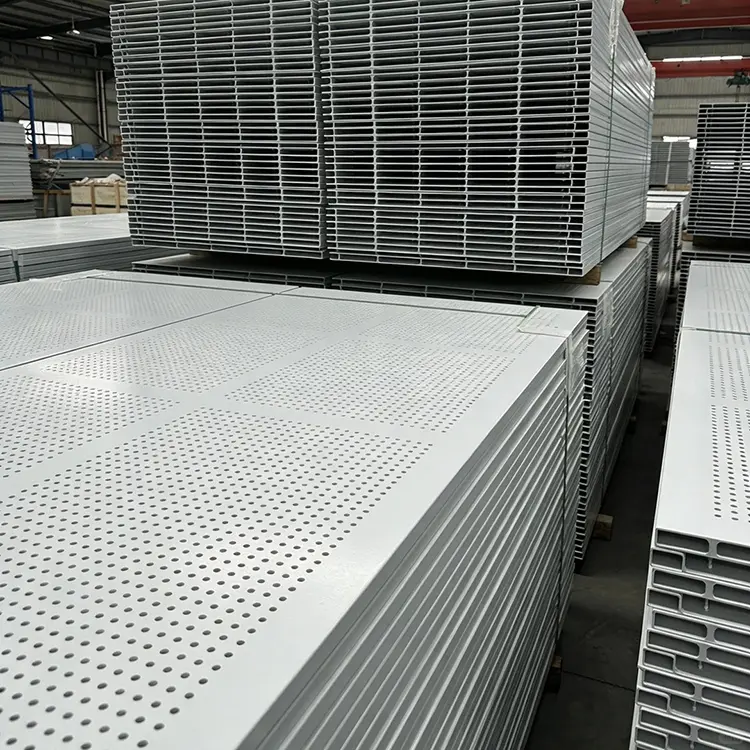
Custom aluminum panels are not only cut from sheet and shipped. A real order may involve drawing review, cutting, CNC punching, bending, welding, grinding, stiffener assembly, surface treatment, coating, inspection, numbering, packing, and export loading.
For wall panels, check panel size, folded edge depth, stiffener layout, fixing points, joint width, and corner details. Large flat panels can wave if the structure is weak. For ceiling panels, check module size, suspension method, carrier layout, service openings, profile direction, and accessory list.
Likton’s advantage should be understood in this practical way: the team can review project drawings, discuss fabrication limits, check finish requirements, and prepare export packing for custom aluminum wall and ceiling panel projects. That is more useful than a general claim about quality.
What information should you send for an accurate RFQ?
A useful RFQ reduces guessing. It also makes supplier quotations easier to compare.
| RFQ information | Why it affects quotation |
|---|---|
| Building type and project location | Helps understand project environment and delivery requirement |
| Wall panel drawings | Shows panel size, folding, corner details, joints, and fixing points |
| Ceiling plan | Shows ceiling area, module, direction, lights, vents, and services |
| Product type | Wall panel, baffle ceiling, perforated ceiling, soffit, column cover, or mixed package |
| Thickness or profile size | Affects material use, strength, weight, and cost |
| Surface finish | Solid color, wood grain, metallic finish, PVDF, powder coating, or other requirement |
| Color code or sample | Reduces color mismatch risk |
| Quantity and panel list | Helps estimate production batch, labels, packing, and delivery |
| Accessories | Carrier, clips, hangers, brackets, stiffeners, screws, or other parts |
| Packing requirement | Export packing may need stronger protection and clearer labels |
| Delivery destination | Affects packing, shipping arrangement, and documentation |
| Special requirements | Perforation, curved panels, welded corners, deep folds, or unusual profiles |
If you do not have full shop drawings yet, send concept drawings, reference photos, approximate sizes, and the project schedule. The supplier can then tell you what must be confirmed before final quotation.
Common mistakes when importing aluminum panels from China
| Mistake | Why it causes problems | Better approach |
|---|---|---|
| Comparing only the lowest unit price | Important items may be excluded | Compare thickness, finish, accessories, packing, and drawing support |
| Sending only reference photos | Photos do not show dimensions or fixing details | Send drawings, sizes, and installation conditions |
| Ignoring finish direction | Wood grain or brushed effects may look inconsistent | Confirm direction and sample approval before production |
| Mixing wall and ceiling packages without coordination | Different batches may not match visually | Tell the supplier which areas must match |
| Forgetting export packing | Coated surfaces can be scratched or bent during shipment | Ask how panels are protected, labeled, and loaded |
| Not confirming accessories | Installation may stop while missing parts are sourced locally | Define included and excluded accessories in the quote |
Most of these mistakes happen before production starts. That is good news, because they can be prevented with better RFQ information and clearer supplier communication.
When a China supplier may not be the right fit
Sourcing from China may not be the best choice when the project needs immediate local stock, very small urgent quantities, local code documents that the overseas supplier cannot provide, or on-site installation responsibility from the panel manufacturer.
This does not mean the project cannot use Chinese aluminum panels. It means the buyer should confirm risk early instead of assuming a lower factory price will solve every problem.
How to compare two quotations fairly
When two suppliers quote the same project, use a comparison sheet. Do not compare only the final number.
| Detail | Supplier A | Supplier B | Why it matters |
|---|---|---|---|
| Wall panel thickness and structure | Different structures cannot be compared by area only | ||
| Ceiling profile size and spacing | Changes material quantity and visual density | ||
| Surface finish and sample process | Controls final appearance and batch consistency | ||
| Accessories included | Missing parts create site cost | ||
| Drawing review support | Reduces errors before production | ||
| Packing method | Affects damage risk during export | ||
| Panel labels and packing sequence | Helps installation team sort materials | ||
| Exclusions | Prevents surprise costs | ||
| Delivery term | Changes total landed cost |
If one quotation is much cheaper, check what has been removed. Sometimes it is a real saving. Sometimes it is a missing accessory, weaker packing, unclear finish, or no drawing support.
FAQ
Are aluminum wall and ceiling panels from China suitable for commercial projects?
Yes, they can be suitable when the buyer provides clear drawings, finish requirements, quantity, accessory scope, and packing needs. The supplier should confirm project details before production.
What is the main risk when buying aluminum panels from overseas?
The main risk is unclear project information before production. Wrong sizes, unclear finish, missing accessories, weak packing, or poor labeling can create higher site cost than the original saving.
Can one supplier provide both wall panels and ceiling panels?
Some suppliers can, but the buyer should confirm the exact product scope. Wall panels, baffle ceilings, perforated ceilings, soffits, and column covers may require different drawings, accessories, and fabrication checks.
Should I approve a sample before mass production?
For visible commercial projects, yes. A sample helps confirm color, gloss, texture, coating, wood-grain direction, profile size, and surface quality before the full order is produced.
What finish is common for exterior aluminum wall panels?
PVDF coating is commonly used for exterior aluminum wall panels where UV exposure, rain, and color stability are concerns. The final requirement should follow the project specification and consultant advice.
What should be included in the packing plan?
The packing plan should include surface protection, edge protection, panel labels, packing sequence, pallet or case method, accessory packaging, and loading notes for export shipment.
How can I get a more accurate quotation?
Send wall panel drawings, ceiling plans, panel sizes, thickness or profile size, finish, color code or sample, quantity, accessory scope, packing requirement, delivery destination, and special requirements such as perforation, curves, or welded corners.
Practical next step
If you are sourcing aluminum wall and ceiling panels from China, prepare the drawings, product list, finish requirement, quantity, accessory scope, and delivery destination first. Likton can review the project details and help check whether the wall and ceiling panel package is clear enough for a reliable quotation.