When evaluating aluminum facade fire safety for modern architecture, especially … In the modern architectural landscape, particularly for high-rise commercial buildings and public infrastructure, fire safety is no longer just a checkbox—it is the paramount design consideration. As urban density increases, the choice of building envelope materials has come under intense scrutiny by developers, insurers, and regulatory bodies worldwide. Among the various cladding options available, solid aluminum veneer panels have emerged as the gold standard for fire-resilient facades.
Unlike Aluminum Composite Panels (ACP), which often contain a combustible polyethylene core, solid aluminum panels are inherently non-combustible. However, achieving true fire safety requires more than just picking a metal; it involves understanding complex international standards like EN 13501-1 and AAMA 2605. In this guide, we will explore how Likton’s manufacturing processes align with these global benchmarks to protect both property and lives.
Aluminum Facade Fire Safety: Understanding EN 13501-1
The EN 13501-1 standard is the most widely recognized fire classification system for construction products in Europe and many parts of the Middle East and Asia. It evaluates three critical factors: flame spread (combustibility), smoke production, and flaming droplets.
- Class A1 & A2 (Non-combustible): This is the highest tier. A1 products (like bare aluminum) contribute nothing to a fire. Class A2-s1, d0—which Likton’s high-performance aluminum facade systems achieve—indicates that while the coating might contain minimal organic matter, the system as a whole does not support combustion.
- s1 (Smoke Production): The ‘s’ rating measures how much smoke the material emits. s1 is the highest rating, indicating little to no smoke production, which is vital for safe evacuation.
- d0 (Flaming Droplets): This measures whether the material releases flaming particles that could spread the fire to lower levels. d0 means zero flaming droplets or particles.
Why Solid Aluminum is the Safer Alternative to Composite Panels
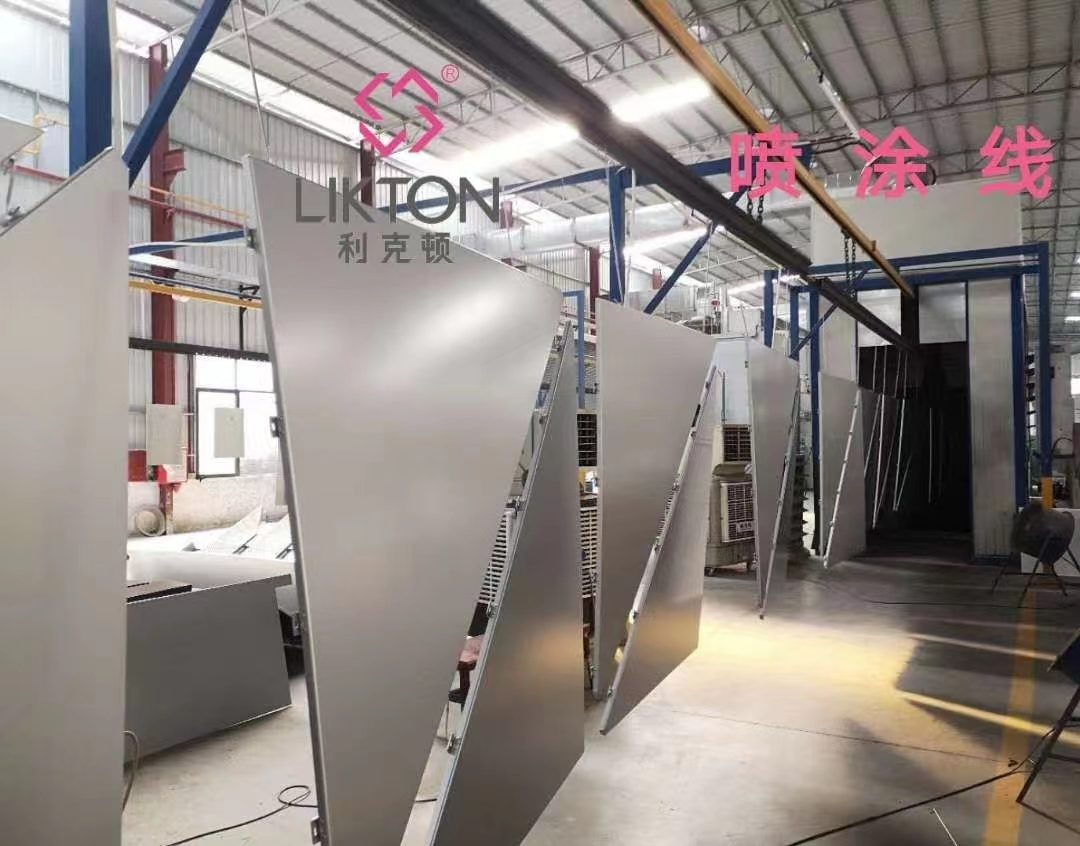
The industry has seen tragic examples where combustible cladding contributed to rapid vertical fire spread. The primary difference lies in the core material. Solid aluminum veneer panels, manufactured from 3003-H24 alloy at our 20,000 sqm Foshan facility, are a single-layer metallic structure. There is no flammable core to ignite or “sandwich” the heat.
When subjected to extreme heat, solid aluminum does not ignite; it begins to melt only at approximately 660°C. This high melting point, combined with zero smoke toxicity, makes it the preferred material for hospitals, schools, and high-rise apartments.
AAMA 2605: The Role of PVDF Coatings in Fire Resistance
While the aluminum substrate provides the structural fire barrier, the surface finish must also perform under thermal stress. At Likton, we utilize 70% Kynar 500 PVDF coatings that comply with AAMA 2605 specifications. These coatings are baked at temperatures exceeding 230°C during production, creating a cross-linked polymer bond that is extremely heat-stable.
For a detailed breakdown of coating types and their long-term durability, refer to our PVDF aluminum veneer specifier guide. In terms of fire safety, PVDF coatings are preferred over polyester (PE) because they do not readily peel or burn, even when exposed to direct heat for extended periods.
Manufacturing Control: Ensuring Compliance Every Time
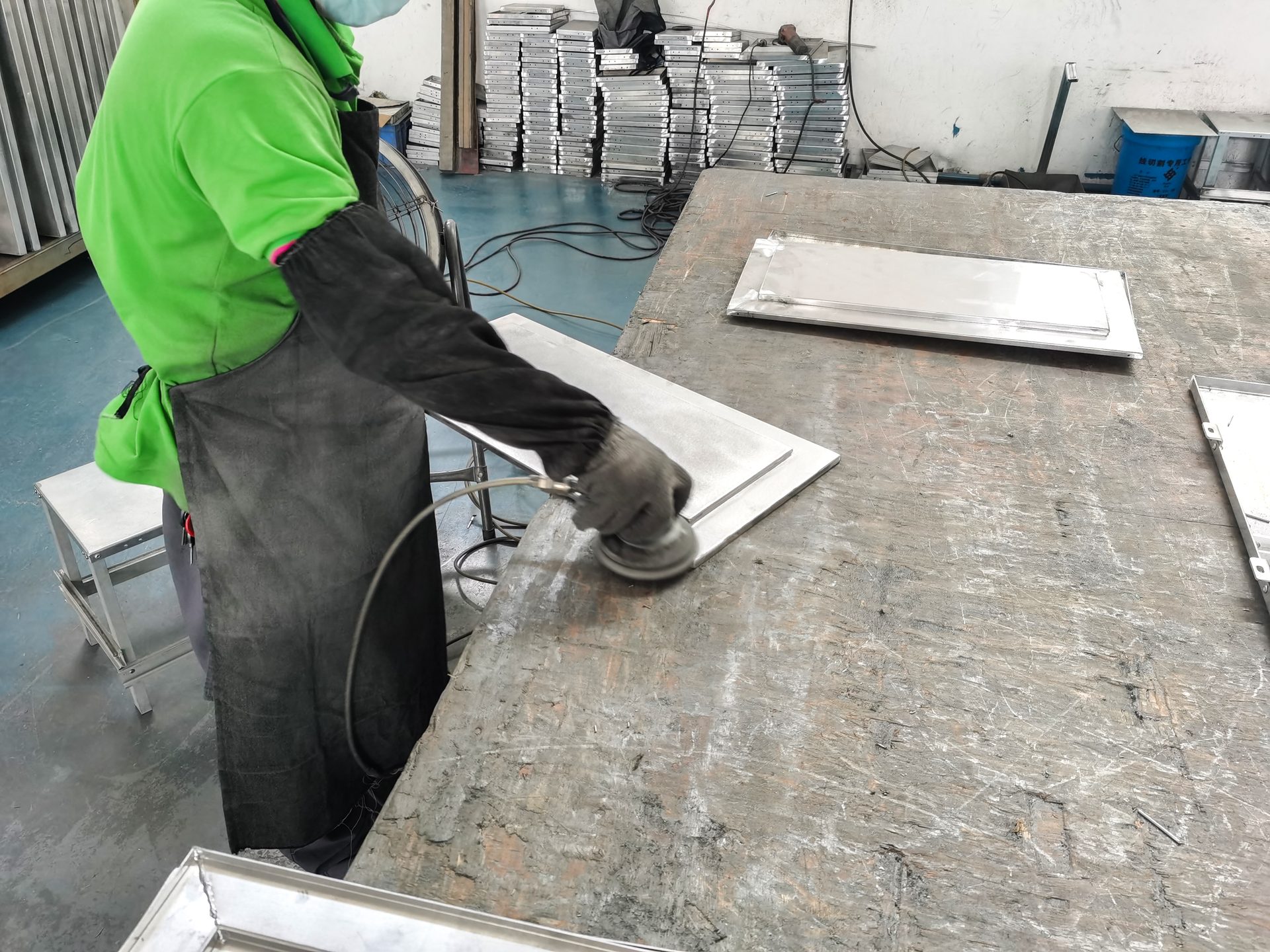
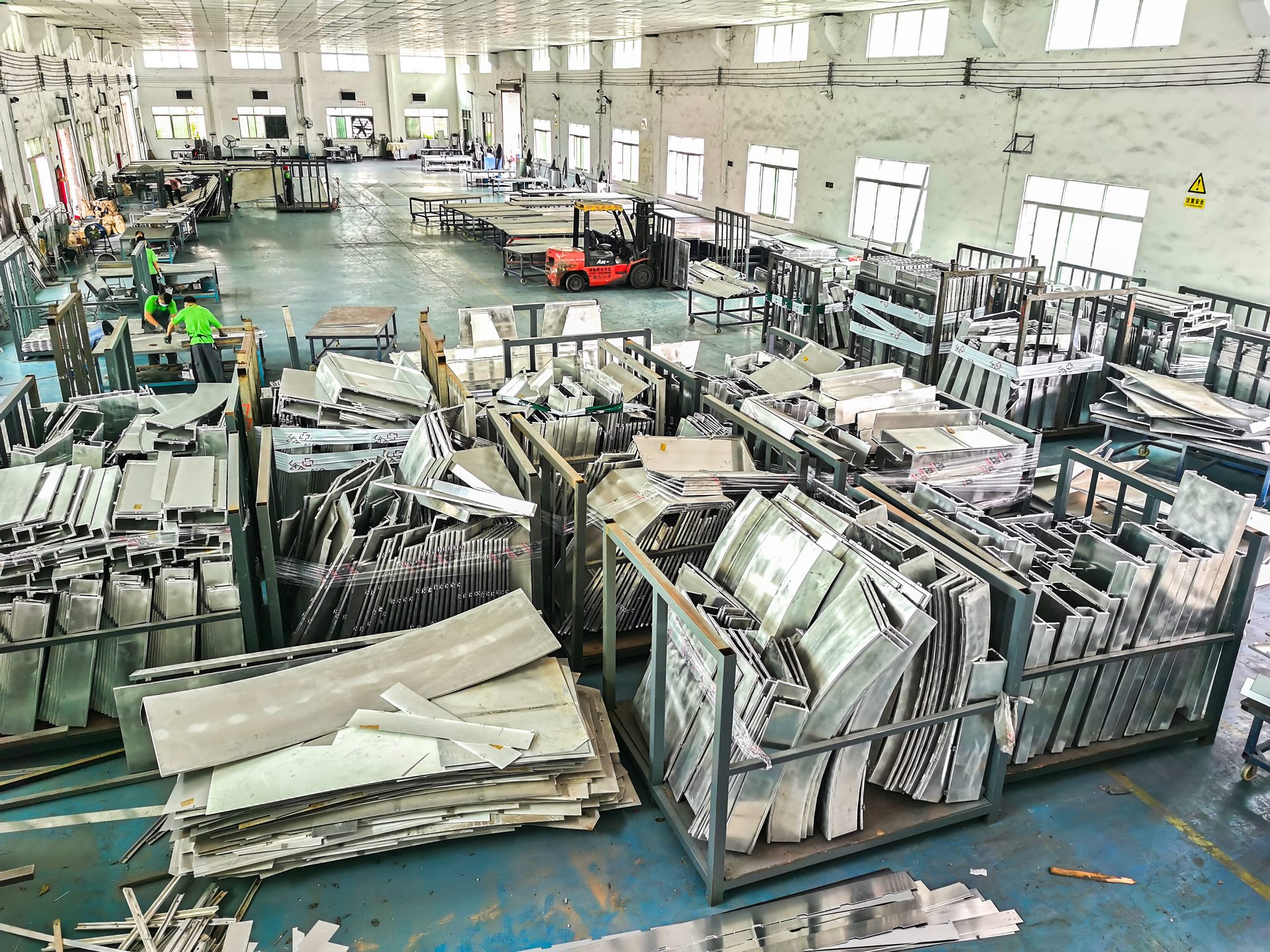
Fire safety isn’t just about the raw materials; it’s about the precision of the manufacturing process. Any inconsistency in panel thickness or coating application can create “weak spots” in a building’s fire defense. As an ISO 9001 certified manufacturer, Likton employs rigorous QC at every stage.
A Fire Safety Checklist for Architects and Specifiers
When selecting aluminum facade panels for your next project, ensure you request the following documentation from your supplier:
- Material Safety Data Sheet (MSDS): Confirming the alloy and coating composition.
- EN 13501-1 Test Report: Look specifically for the A2-s1, d0 classification from an accredited third-party lab like GQT or Intertek.
- ASTM E84 Surface Burning Characteristics: Particularly important for projects in North America.
- AAMA 2605 Compliance Certification: To ensure the coating won’t degrade or contribute to flame spread over its 20+ year lifespan.
Conclusion: Prioritizing Aluminum Facade Fire Safety
Choosing a fire-safe facade is a heavy responsibility for any architect or developer. By specifying solid aluminum panels that meet EN 13501-1 A2 standards and AAMA 2605 coating requirements, you are choosing a solution that has been proven across decades of global construction. At Likton, we are committed to providing high-performance architectural solutions that never compromise on safety.
Need a technical consultation for your project’s fire safety requirements? Contact our technical team today to receive full test reports and material specifications.