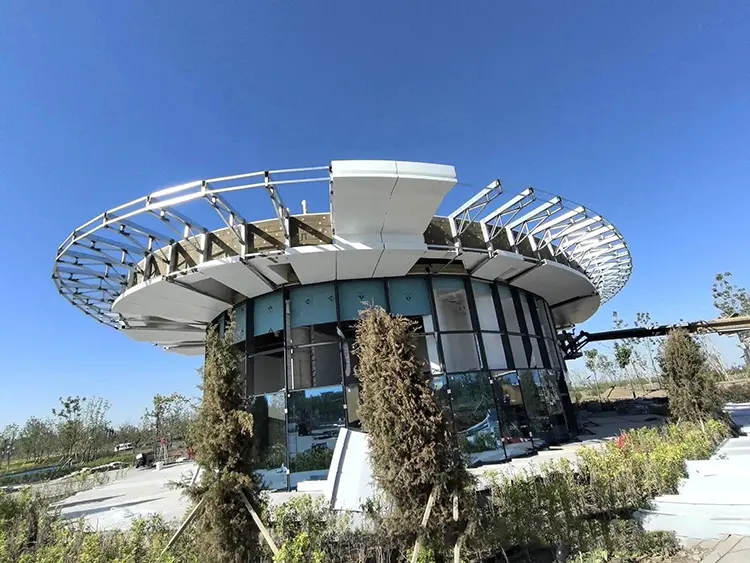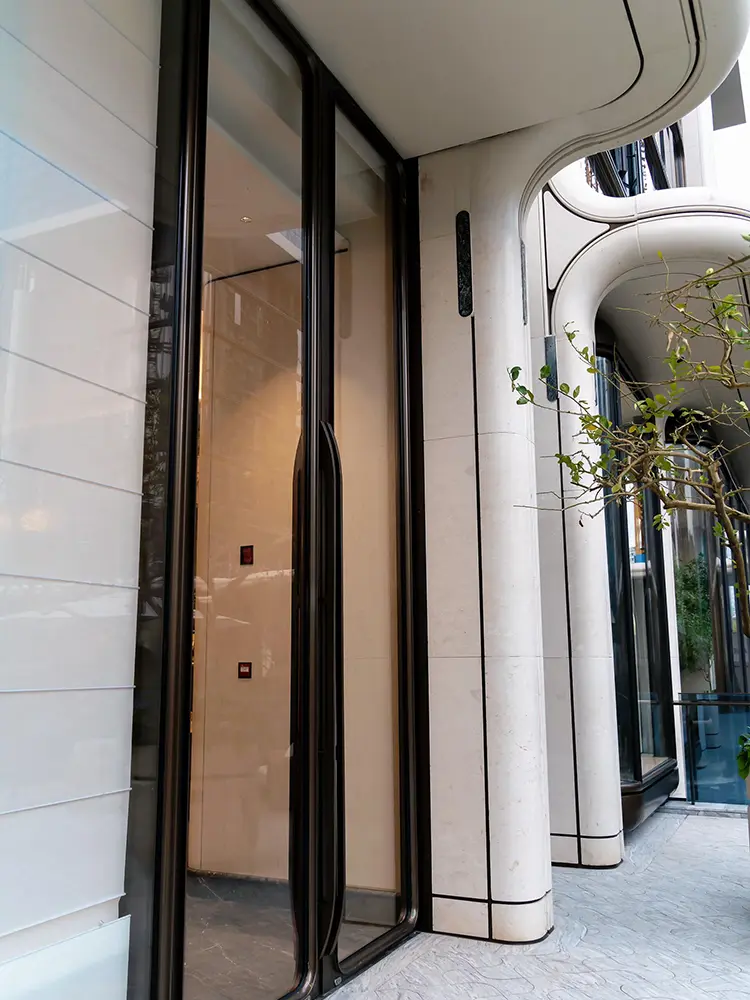
A2 fireproof aluminum facade panels have become the specification standard for high-rise buildings in 2026, replacing combustible ACP across markets including the USA, UK, EU, Middle East, and Australia. This technical guide explains why solid aluminum veneer panels outperform ACP on fire safety, durability, and long-term cost.
Technical Guide for Architects & Facade Contractors
The facade industry changed after two high-profile cladding fires: the Lacrosse Building fire in Melbourne in 2014 and the Grenfell Tower fire in London in 2017. Both incidents forced architects, contractors, developers, and building officials to look more closely at aluminum composite panels, especially PE-core ACP used on tall buildings. At Grenfell, once the fire entered the exterior cladding zone, flames reached the roof and began spreading horizontally within a short period, showing how fast a combustible facade system can lose control. Since then, many markets have restricted or rejected combustible ACP on high-rise facades. For 2026 specifications, solid aluminum veneer panels have become a practical route for projects that require durable, A2 fire-rated aluminum facade panels with lower long-term fire and maintenance risk.
1. Why PE-Core ACP Became a High-Rise Facade Risk
Aluminum composite panel, commonly called ACP or ACM, is built from two thin aluminum skins bonded to a central core. In standard low-cost products, that core is often polyethylene. The outer aluminum faces may look metallic and non-combustible, but the core changes the fire behavior of the whole panel. When PE-core ACP is exposed to severe heat, the plastic core can soften, melt, drip, and feed flame spread inside the facade cavity. This is why many fire engineers describe ACP facade failure as a combination of fuel, cavity airflow, and vertical flame movement.
The main problem is not simply that a single panel burns. The larger risk is that the facade cavity can behave like a vertical chimney. Heat rises behind the panels, combustible core material contributes fuel, and flames can move upward floor by floor. If cavity barriers, fire stops, insulation, and window details are not correctly designed, fire can also move laterally across the crown or return downward through falling burning material.
For architects and contractors, three physical weaknesses make traditional ACP difficult to justify on high-rise buildings. First, PE core has a low thermal tolerance compared with metal; common polyethylene grades soften and melt at temperatures far below severe facade fire conditions. Second, ACP depends on bonded layers. After years of UV exposure, water ingress, and thermal cycling, adhesive degradation can lead to delamination, especially around cut edges or poorly sealed joints. Third, ACP can suffer visible thermal deformation, often called oil canning, when thin skins move under temperature stress or installation tension.
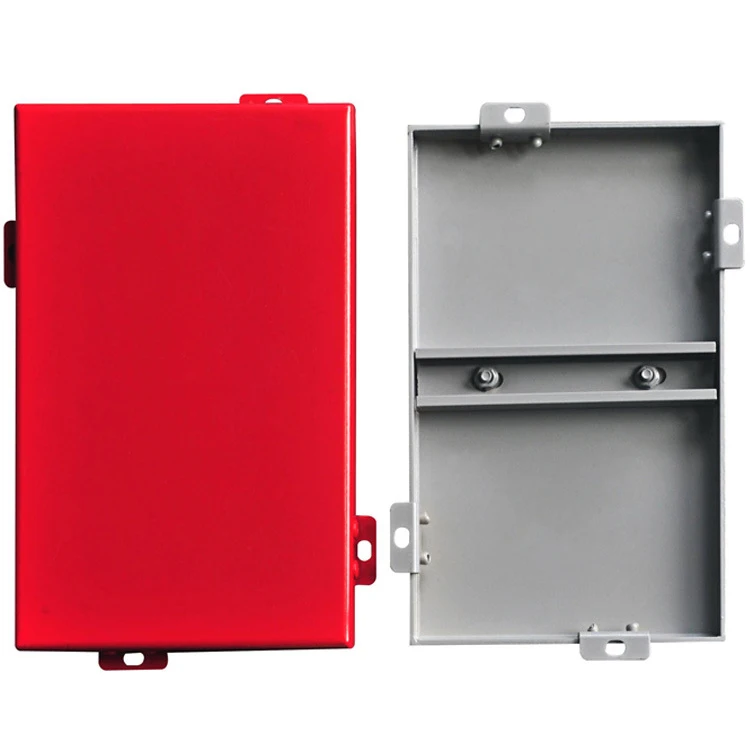
Solid aluminum veneer panels remove the plastic core from the facade panel itself. A 2.0-4.0 mm solid aluminum alloy plate does not rely on a combustible plastic center for stiffness. With proper alloy selection, reinforcement ribs, PVDF coating, and tested wall assembly design, it gives specifiers a more predictable path for high-rise facade safety.
2. Solid Aluminum Veneer vs ACP: Technical Comparison
The decision between solid aluminum veneer and ACP should not be based only on initial material price. For high-rise buildings, the correct comparison includes fire behavior, impact resistance, edge durability, facade flatness, coating life, coastal corrosion risk, maintenance frequency, and replacement cost.
| Comparison Item | ACP Aluminum Composite Panel | Likton Solid Aluminum Veneer Panel |
|---|---|---|
| Structure | 0.3-0.5 mm aluminum skins bonded to PE or mineral-filled core | 2.0-4.0 mm solid aluminum alloy plate with optional reinforcement ribs |
| Fire Rating | Often B grade or FR grade depending on core formulation | A2 fire-rated aluminum, EN 13501-1 Class A2 performance |
| Impact Resistance | Lower resistance; thin skins can dent under impact | Higher resistance against hail, flying debris, and site impact |
| Service Life | Typically 10-15 years where bonding and edge sealing are exposed to weathering | 25-40 years with architectural PVDF coating and correct installation |
| Oil Canning Risk | More likely because of thin aluminum skins and thermal stress | Greatly reduced through thicker solid plate, proper bending, and reinforcement design |
| Coastal Corrosion | Cut edges and joints can allow water ingress and delamination | 3003-H14 aluminum alloy provides stable corrosion resistance for coastal facade applications |
| Typical Price Range | USD 20-45 / m² | USD 40-80 / m² depending on thickness, coating, shape, and fabrication |
| 20-Year Total Cost | Can become higher because of repair, repainting, delamination, or replacement | Often lower because of longer service life and reduced replacement frequency |
3. Global Regulation: What Architects and Contractors Must Check in 2026
United States: IBC, NFPA 285, and Import Cost Planning
In the United States, facade compliance is usually judged at the wall assembly level, not only at the material level. NFPA 285 is a fire propagation test for exterior wall assemblies containing combustible components. For projects above common low-rise thresholds such as 40 ft, wall design may require NFPA 285 evidence depending on construction type, insulation, air barrier, cladding, and local authority interpretation. The correct specification language is “NFPA 285 compliant cladding assembly.” U.S. buyers should also calculate landed cost early because Chinese aluminum products may be affected by Section 301 tariffs, including 25% additional duties.
European Union and United Kingdom: Euroclass A2 and Post-Grenfell Procurement
In the EU and UK, the reaction-to-fire classification system under EN 13501-1 is central to facade material selection. After Grenfell, the UK introduced stronger restrictions on combustible materials used in external walls of relevant buildings over 18 metres. Likton has obtained CE certification, certificate number CTB25022505602, supporting EN 13501-1 Class A2 aluminum facade panel specifications.
Middle East: Saudi Arabia, UAE, Heat, UV, and Sand Exposure
In Saudi Arabia and the UAE, the UAE Fire and Life Safety Code and Saudi Building Code SBC-201 both place limits on combustible exterior wall materials. For extreme climates around 50°C, a properly specified PVDF system can target Delta E color change below 5 over long-term exposure. Likton is a practical PVDF coated fireproof cladding supplier for towers, hotels, airports, hospitals, and commercial complexes in hot regions.
Australia: Non-Combustible Facade Materials and Delivery Reliability
Under NCC 2022, many Type A and Type B construction applications require non-combustible external wall components. Likton ships to Sydney and Melbourne every week, giving Australian contractors a reliable supply option for aluminum facade panels for high-rise buildings.
4. Likton Factory Capability: What Supports the Specification
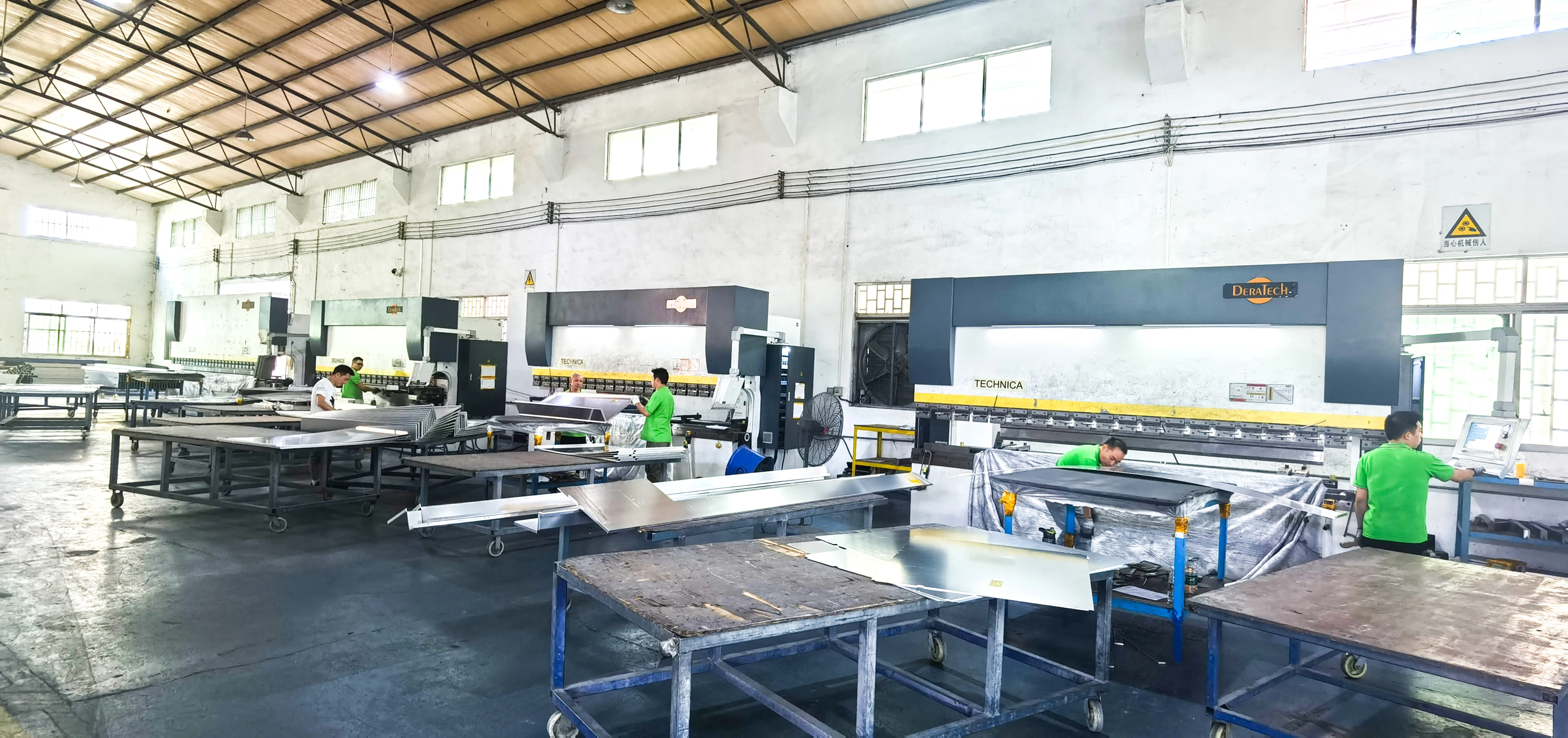
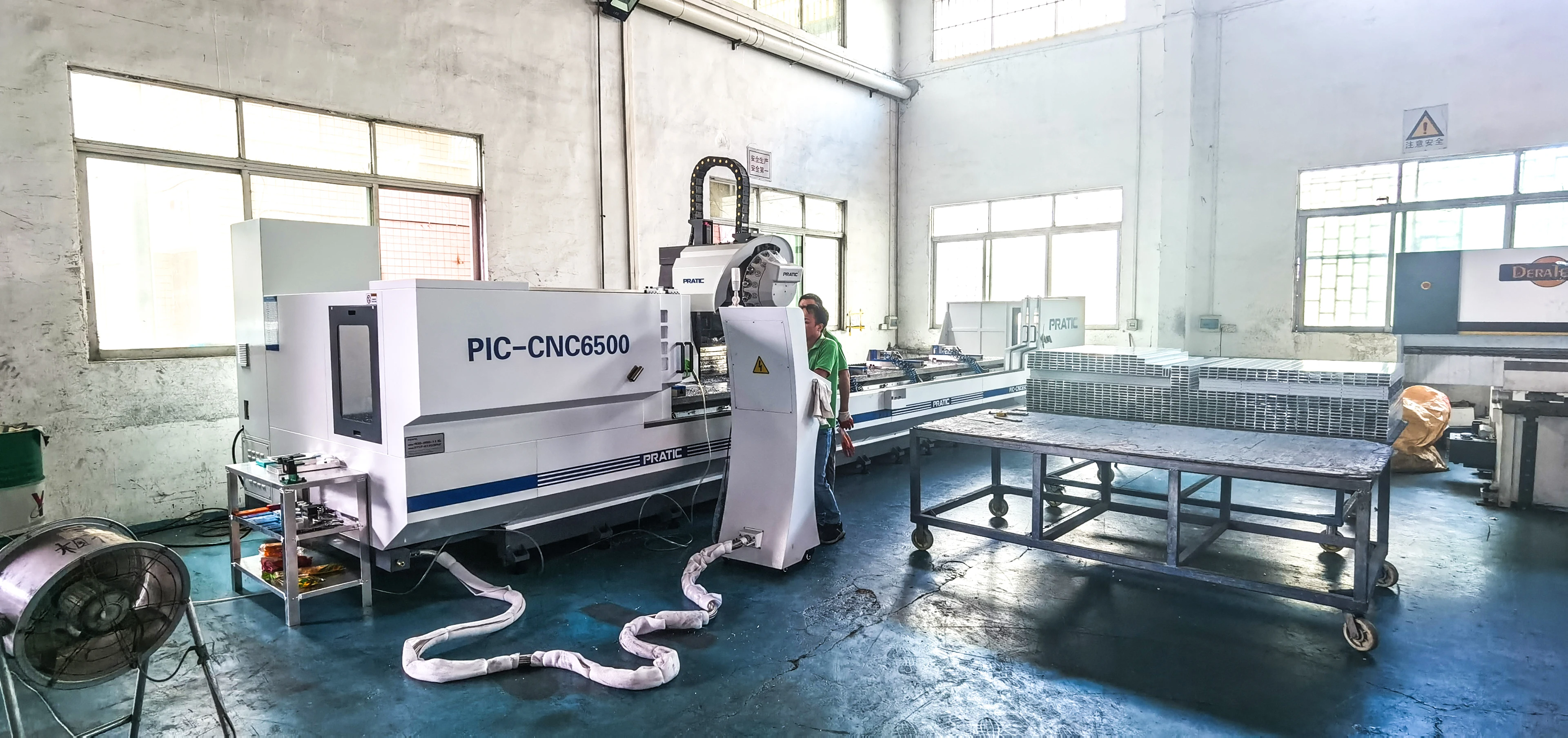
Likton Metal operates from a 20,000 m² factory in Lushi Town, Foshan, with more than 10 years of aluminum facade production experience. The team includes 100+ staff covering engineering, fabrication, quality inspection, packaging, and export coordination. The production line includes 27 sets of CNC processing equipment, including PRATIC PIC-CNC6500 machining equipment, Yawei laser cutting machines, and Deratech bending machines.
Likton’s certification list includes ISO 9001:2015, ISO 45001:2018, CE and RoHS documentation (certificate number CTB25022505602), and GPSR EU Authorized Representative Certificate. Likton exports to 30+ countries including the United States, United Kingdom, Australia, Saudi Arabia, and the UAE.
5. Specification Notes for High-Rise Solid Aluminum Facades
A safe high-rise facade specification should define panel thickness, alloy, temper, coating system, fire classification, fixing method, cavity design, insulation type, thermal movement allowance, wind load, corrosion environment, and maintenance access. For solid aluminum veneer, common thickness choices are 2.0 mm, 2.5 mm, 3.0 mm, and 4.0 mm. Taller buildings, coastal sites, and large panel formats normally require thicker panels or reinforced back structures. PVDF coating is preferred for long-term exterior use because it resists UV, humidity, chalking, and color fade better than basic polyester finishes.
FAQ: High-Rise Aluminum Facade Panel Procurement
Q1: Can Likton panels pass the U.S. NFPA 285 test?
NFPA 285 is an exterior wall assembly test, not a standalone panel test. Likton solid aluminum veneer panels can be supplied as A2 fire-rated cladding components for wall systems designed to meet NFPA 285 requirements. The final result depends on the full assembly including insulation, air barrier, cavity barriers, brackets, fire stops, and installation details. Likton can provide panel data, drawings, and documents for the project fire engineer.
Q2: What is the difference between A1 and A2 fire rating?
A1 is the highest Euroclass reaction-to-fire rating and is generally treated as non-combustible. A2 allows very limited contribution to fire and is commonly used for high-performance facade products where coatings, finishes, or small auxiliary components are present. For aluminum facade panels, EN 13501-1 Class A2 is a strong specification level for projects that want to avoid combustible PE-core ACP.
Q3: How long can PVDF coating last in desert climates?
A properly specified architectural PVDF coating can provide long-term color and gloss retention under heat, UV, and sand exposure. For Middle East projects, Likton recommends confirming coating brand, color, film thickness, pretreatment, warranty period, and maintenance plan before production. High-performance specifications can target Delta E color change below 5 over long-term exposure.
Q4: Is solid aluminum veneer more difficult to install than ACP?
Solid aluminum veneer is heavier than ACP, so the subframe, anchors, and handling plan must be designed correctly. However, the installation method is familiar to professional curtain wall contractors. Panels are normally fabricated as cassette units with folded edges, stiffeners, and pre-designed fixing points that allow controlled and repeatable high-rise installation.
Q5: What is the minimum order quantity, and can Likton customize sizes?
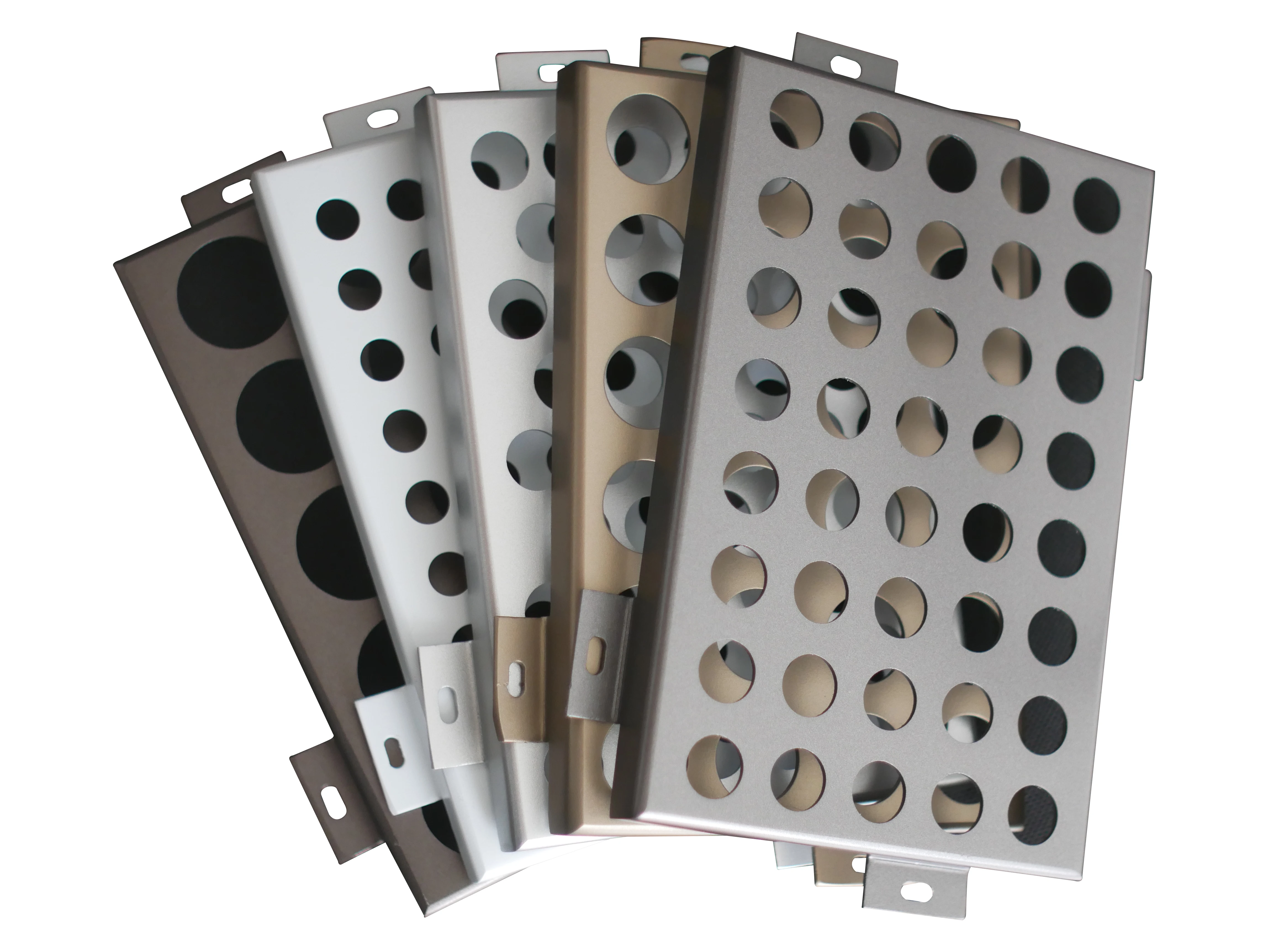
Likton supports custom aluminum panel production according to project drawings, facade module sizes, perforation patterns, laser-cut designs, curved shapes, PVDF colors, wood grain finish, stone grain finish, and special packaging requirements. MOQ depends on panel type, thickness, finish, color, and fabrication complexity. Send elevation drawings, panel schedule, finish requirement, project location, and expected delivery time for accurate pricing.
Request Technical Support for Your High-Rise Facade Project
If your project requires A2 fireproof aluminum facade panels, NFPA 285 compliant cladding assembly support, EN 13501-1 Class A2 aluminum documentation, Likton can review your drawings and prepare a project-based quotation.
Official Reference Notes for Project Teams
- Grenfell Tower Inquiry Phase 1 Report: ACM panels with polyethylene cores were identified as a principal reason for rapid flame spread.
- UK Government guidance: combustible materials are restricted in external walls of relevant buildings over 18 metres.
- NFPA 285: evaluates fire propagation characteristics of exterior wall assemblies containing combustible components.
- EU Construction Products Regulation: provides common technical language for construction product performance information.
- Australia NCC 2022: many Type A and Type B external wall applications require non-combustible components.