If you compare pre-coated coil and powder-coated aluminum panels only by the surface color, you may miss the real cost difference.
In practice, the price changes because the two finishes are not the same process. They behave differently in material supply, color control, batch consistency, project suitability, and fabrication planning. That is why buyers, specifiers, and procurement teams should compare them by project needs, not by a simple label.
This article is for readers who want to understand where the cost difference comes from before sending drawings or confirming a finish.
What the two finishes mean
Pre-coated coil
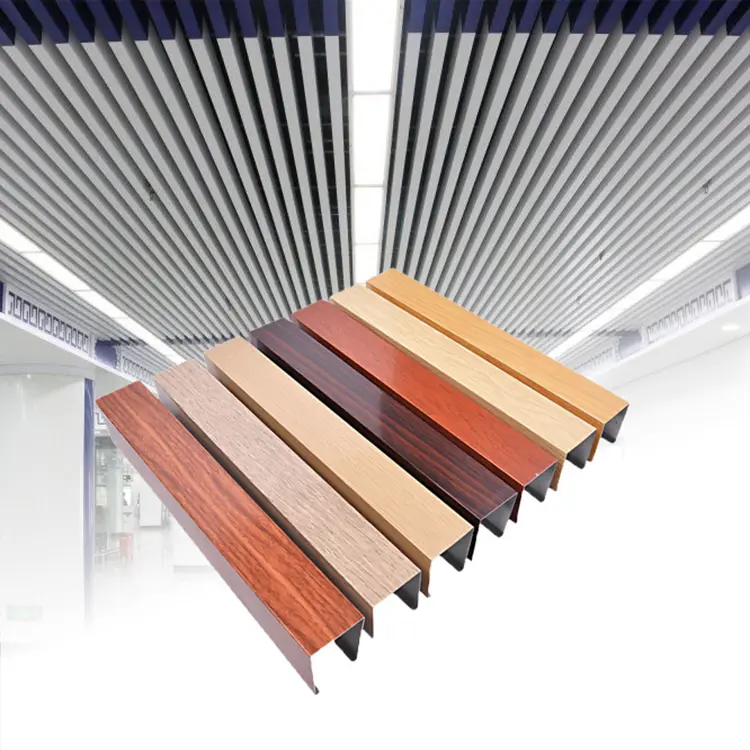
Pre-coated coil means the metal is coated in coil form before it is cut and fabricated into panels.
This can be useful when:
- the project needs stable batch color;
- the same finish will be used on many repeated panels;
- the supply chain benefits from uniform coated material.
Powder-coated aluminum panels
Powder coating is applied as a dry powder and then cured to form the finish layer.
This can be useful when:
- the project needs flexible color selection;
- the shape is custom or fabricated after coating;
- the buyer wants a finish method that fits a particular fabrication route.
Why the cost difference exists
The cost difference usually comes from five areas:
| Area | Pre-coated coil | Powder-coated |
|---|---|---|
| Material flow | Coating happens before fabrication | Coating happens as a later finishing step |
| Color consistency | Often strong for repeated batches | Depends on coating line and process control |
| Fabrication planning | Works well when the coated material matches the panel plan | May suit custom fabricated shapes after forming |
| Project flexibility | Good for planned, repeated demand | Often flexible for custom project needs |
| Overall quote structure | Material and coating are linked early | Fabrication and finishing may be separated more clearly |
The important point is that the finish process affects the whole quote, not only the final color.
What buyers should compare before choosing
1. Color consistency
If the project uses many panels and the facade must look uniform, color consistency matters a lot.
Ask:
- Is the color sample approved first?
- Will the same batch be kept for repeated panels?
- How will color variation be controlled between orders?
2. Project shape
Some projects are simple. Others need curves, folds, perforation, corners, or special dimensions.
The finish should match the fabrication path. A finish that looks good in a sample may not be the best choice if the panel shape is complex.
3. Exterior or interior use
Exterior projects usually need more attention to weather, UV exposure, maintenance, and appearance stability.
Do not choose a finish only because it is cheaper. Ask whether the surface is suitable for the actual environment.
4. Batch size
For repeated large-volume work, a stable coil-based process may help control consistency.
For smaller or highly customized orders, powder coating may make more sense depending on the project route and finishing plan.
5. Repair and maintenance
Think ahead.
If the panel is damaged later, how easy is it to repair or replace the finish in a matching way?
That question often matters more than the first quote.
What not to do
Do not compare only the visible color
Two surfaces can look similar at the sample stage but behave differently in production and on site.
Do not assume cheaper is always better
A lower quote may hide weaker color control, a less suitable process, or more risk in later batches.
Do not ignore the drawing
Finish choice and fabrication design should be reviewed together. A coating decision made too early can create problems later.
Where Likton can help
For custom aluminum panels, the finish choice should support the project, not complicate it.
Likton can help review:
- project application;
- panel size and shape;
- repeated batch needs;
- finish and color sample;
- fabrication sequence;
- packing and shipping protection.
This is useful because the right finish depends on the real panel, not just on a product name.
A practical selection guide
Use this simple rule:
- choose pre-coated coil when the project benefits from stable repeated material and consistent supply planning;
- choose powder-coated panels when the project needs a different fabrication route, flexible finish planning, or a custom project solution;
- confirm the final choice with drawings, sample approval, and the project environment before production.
That is a safer way to buy than asking only which one is cheaper.
Common buyer questions
1. Is one finish always better than the other?
No. The better choice depends on the project, the shape, the quantity, and the exposure conditions.
2. Why can two suppliers give very different prices?
They may be quoting different processes, different scope, different batch control, or different packing.
3. Can the same finish be used for interior and exterior panels?
Sometimes, but not always. The environment should be checked first.
4. Should I choose the finish before the drawing is finished?
Not too early. The panel shape, size, and fixing details should be reviewed with the finish plan.
5. What should I ask a supplier before ordering?
Ask for process explanation, sample approval, color control, batch control, and packing method.
FAQ
1. What is the main cost difference between pre-coated coil and powder-coated aluminum panels?
It comes from the coating process, production flow, and how the finish is matched to fabrication and batch control.
2. Is powder coating always more expensive?
Not always. The final cost depends on scope, quantity, shape, and project details.
3. Which finish is better for repeated facade panels?
That depends on the project. Repeated work often benefits from strong batch control and a clear coating plan.
4. Can the finish affect installation?
Yes. If the finish process changes the fabrication sequence, it can affect how the panel is handled, packed, and installed.
5. Should I ask for a sample before confirming?
Yes. Sample approval is one of the safest ways to reduce color and finish risk.
Final note
The real question is not "which finish is cheaper?" It is "which finish suits this panel, this project, and this production route?"
If you are comparing coating options for a custom project, send the drawings, panel size, finish target, color reference, quantity, and delivery plan. Likton can help check whether the finish choice is practical before production starts.