What should buyers check before choosing corrosion resistant metal facade panels?
Corrosion resistant metal facade panels are not chosen by material name alone. For exterior projects, buyers should check the site environment, coating system, panel design, fixing method, edge treatment, drainage, maintenance access, and supplier quality control before ordering.
Aluminum facade panels are often selected for commercial buildings, public facilities, offices, transport spaces, and coastal or high-humidity areas because aluminum does not rust like ordinary steel. But that does not mean every aluminum panel will perform the same way. Coating quality, fabrication details, installation method, and maintenance all affect long-term appearance.
This guide explains how to compare metal facade panels for harsh environments without relying on vague claims such as “best quality” or “maintenance-free.”
What counts as a harsh facade environment?
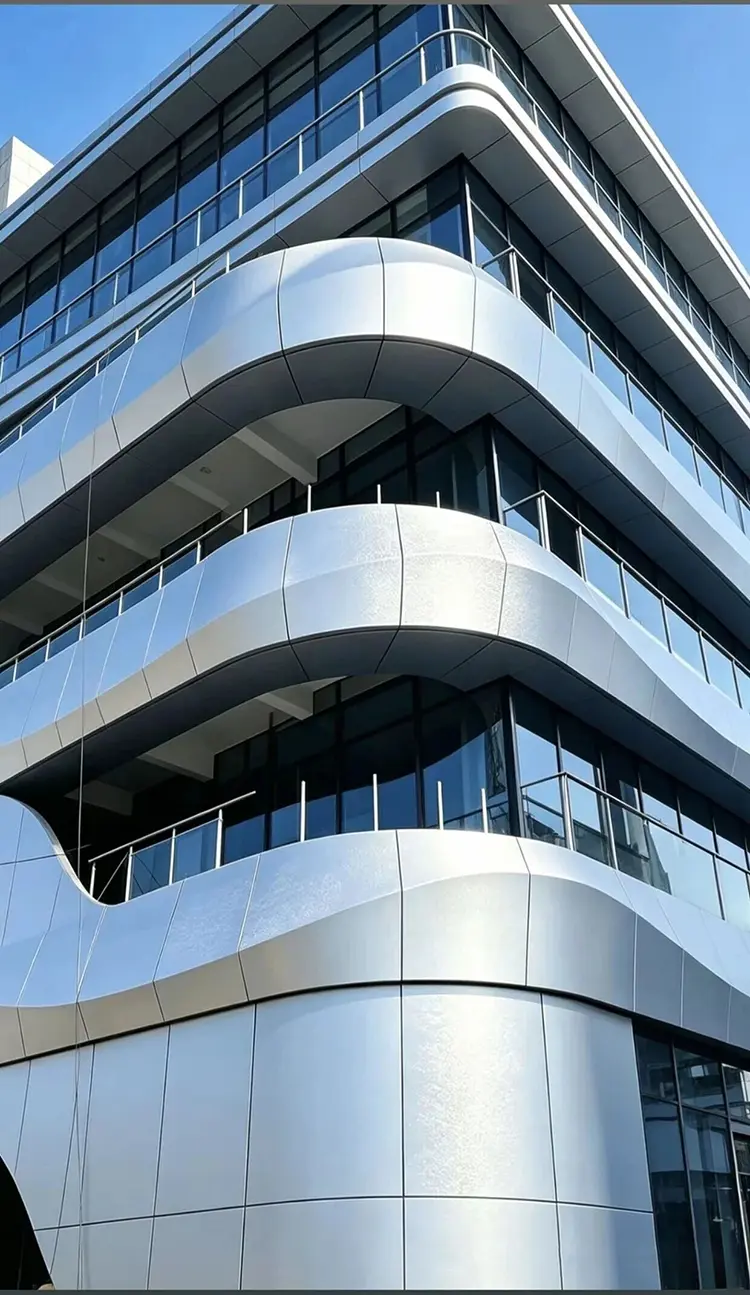
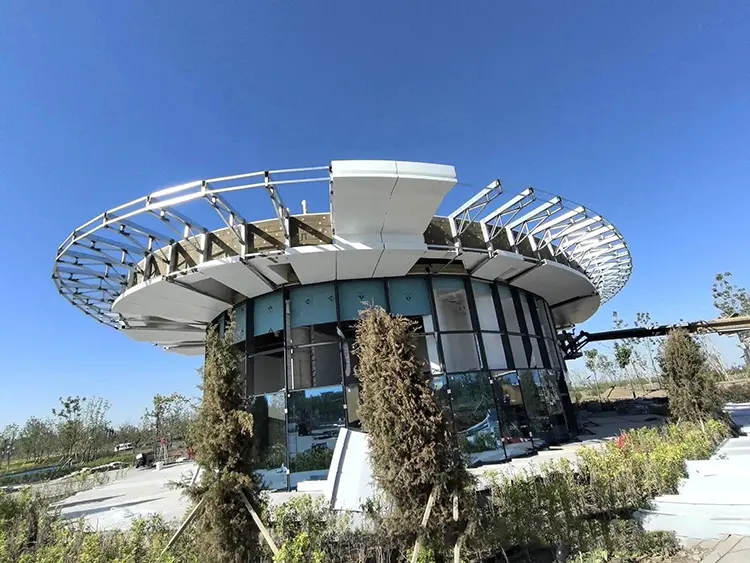
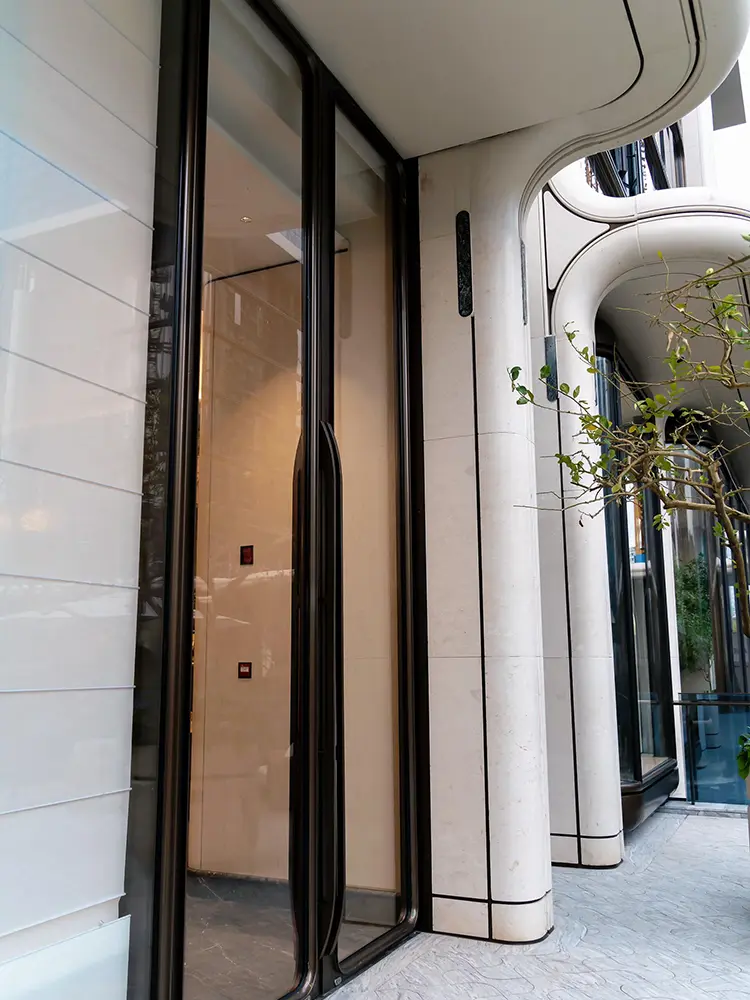
A harsh environment is any project condition that increases weathering, staining, coating stress, or corrosion risk. Common examples include coastal areas, high-UV regions, heavy rain zones, polluted urban roads, industrial districts, humid public buildings, and facades that are hard to clean.
The risk is not only corrosion. Buyers also need to think about color fading, chalking, dirt marks, water streaks, edge staining, fastener corrosion, panel deformation, and damaged coating during transport or installation.
For this reason, a good supplier should ask where the project is located and how the facade will be exposed. A quick quote without project conditions may miss important details.
Aluminum panels, steel panels, and ACP: what is different?
Different facade materials handle weather and corrosion in different ways. The best choice depends on the project requirement, not on one universal answer.
| Material option | Where it can work | What buyers should check |
|---|---|---|
| Solid aluminum facade panels | Custom exterior cladding, soffits, column covers, curved panels, perforated panels, and decorative facades | Coating type, panel thickness, folded edge depth, stiffeners, fixing method, drainage, and packing |
| Galvanized or coated steel panels | Some industrial or cost-sensitive projects | Cut edge protection, coating damage, fastener compatibility, and corrosion risk in wet or coastal areas |
| Stainless steel panels | Decorative metal facades where a stainless appearance is required | Grade selection, surface finish, fingerprint/staining risk, cost, and maintenance |
| ACP or ACM panels | Flat facade areas where the specification allows composite panels | Core requirement, fire requirement, surface coating, supplier documents, and whether ACP is permitted by the project specification |
Likton should not be treated as the supplier of every material in this comparison. The useful point is comparison: if the project needs custom folded edges, curved shapes, welded corners, perforation, or thicker formed panels, solid aluminum panels may be more suitable than a simple flat sheet product.
Coating matters, but coating is not the whole answer
For exterior aluminum facade panels, PVDF coating is commonly selected when UV exposure, rain, and color stability are important. Powder coating may be suitable for many interior or protected applications, but exterior use should be checked against the project environment and specification.
Still, coating alone cannot solve every facade problem. A good coating can fail visually if the panel design traps water, if cut edges are poorly treated, if panels are scratched during installation, or if the maintenance method is wrong.
| Facade concern | Why it matters | What to confirm before production |
|---|---|---|
| UV exposure | Can affect long-term color appearance | Coating type, color sample, gloss, and project exposure |
| Rain and humidity | Can leave streaks or accelerate staining around joints | Joint design, drainage path, panel slope, and cleaning access |
| Coastal air | Salt can increase risk around fasteners, scratches, and edges | Coating requirement, hardware choice, edge protection, and maintenance plan |
| Pollution and dust | Dirt can collect on horizontal surfaces and textured areas | Panel layout, cleaning method, and accessible maintenance zones |
| Transport damage | Scratches expose weak points before installation starts | Protective film, corner protection, packing sequence, and site handling |
Panel design details that affect corrosion resistance
Many corrosion and staining problems start from design details, not only material choice.
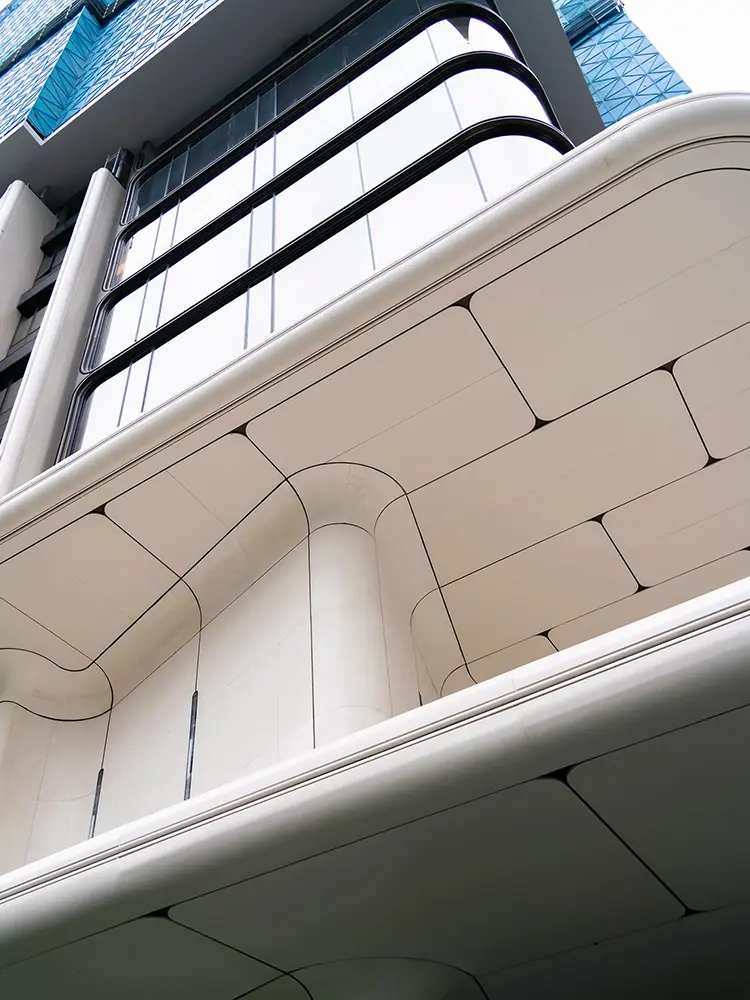
Buyers should review these points before production:
- Joint width: narrow joints may look clean, but installation tolerance and drainage still need space.
- Folded edge depth: deeper returns can improve stiffness but may change fabrication cost and corner details.
- Panel slope: horizontal or nearly flat surfaces can collect water and dust.
- Fastener and bracket area: incompatible or exposed hardware can become a weak point.
- Cutouts and perforation: hole edge distance and open area should be reviewed to avoid deformation and coating issues.
- Back stiffeners: stiffener layout affects flatness and fixing points, especially on large panels.
If the project includes curved panels, column covers, soffits, deep returns, or perforated areas, drawing review becomes more important. The supplier should check whether the design is practical to fabricate, coat, pack, and install.
How to compare suppliers for harsh environments
A corrosion-resistant facade is not only a material order. It is a combination of specification, fabrication, coating, inspection, packing, and site coordination. Use the checklist below when comparing suppliers.
| Supplier check | Why it matters | What to ask |
|---|---|---|
| Project environment review | Coastal, humid, high-UV, or polluted areas need different attention | What coating and design details do you recommend for this exposure? |
| Drawing review | Panel size, joints, folded edges, and fixing points affect risk | Can you review elevation drawings and shop drawings before production? |
| Coating control | Exterior appearance depends on surface preparation and coating consistency | How do you control color sample, gloss, batch consistency, and surface inspection? |
| Fabrication capability | Curves, perforation, welding, and deep folds need process control | Which processes are handled by your team, and what details need confirmation? |
| QC before shipment | Problems are harder to solve after export | What do you check for size, flatness, surface, edge quality, and packing? |
| Packing method | Coated panels can be damaged before they reach site | How are panels protected, labeled, sequenced, and loaded? |
Likton can support these checks for custom aluminum veneer panels, perforated aluminum panels, curved panels, soffits, column covers, and facade cladding. The practical value is early review: panel size, folded edges, joint width, coating requirement, stiffeners, labels, and packing should be discussed before production.
When a metal facade panel may not be the right choice
Metal facade panels are useful, but they are not the right answer for every project. They may not be suitable when the project requires transparent daylighting, a structural load-bearing wall, or a very low-cost temporary facade. They also need careful review when the site has aggressive chemical exposure or the project specification requires documents that the supplier cannot provide.
This kind of negative check is important. A good facade decision should reduce risk, not only make the building look clean in the first year.
What should be included in the RFQ?
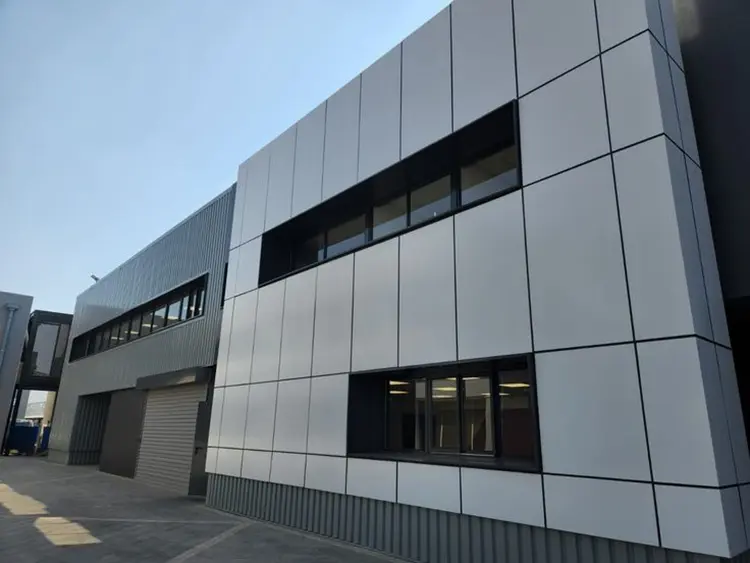
To receive a more accurate quotation for corrosion resistant metal facade panels, prepare the following information:
| RFQ information | Why it matters |
|---|---|
| Project location and environment | Helps discuss coastal, humid, high-UV, pollution, or maintenance conditions |
| Building type and application area | Exterior wall, soffit, column cover, canopy, screen, or facade band may need different details |
| Panel drawings | Shows size, joints, folded edges, fixing points, and special shapes |
| Material and thickness requirement | Affects stiffness, weight, cost, and fabrication |
| Coating type and color code | Controls weather resistance, appearance, and sample approval |
| Quantity and panel list | Helps plan production batch, labels, packing, and delivery |
| Special fabrication | Curves, perforation, welding, deep folds, and stiffeners affect process and price |
| Packing and delivery destination | Export packing and site handling affect damage risk |
| Required documents | Any project-specific standard, coating requirement, or consultant request should be stated early |
Maintenance and cleaning should be considered before ordering
Even a good facade material needs reasonable maintenance. Dust, salt, pollution, and rainwater marks can collect on exterior surfaces. Horizontal ledges, deep grooves, perforated panels, and complex curves may need more cleaning attention than a simple vertical surface.
Before ordering, ask how the facade can be accessed for cleaning and inspection. If the building design makes maintenance difficult, the panel layout and surface finish should be reviewed more carefully.
FAQ
Are aluminum facade panels corrosion resistant?
Aluminum does not rust like ordinary steel, and coated aluminum facade panels are often used for exterior cladding. However, corrosion resistance still depends on coating quality, edge details, installation environment, hardware, maintenance, and damage control.
Is PVDF coating always required for exterior aluminum panels?
PVDF coating is commonly selected for exterior projects where UV exposure, rain, and color stability are important. The final requirement should follow the project specification, environment, and consultant advice.
What is the biggest mistake when buying metal facade panels for harsh environments?
The biggest mistake is choosing by material name and price only. Buyers should also check coating, panel design, drainage, fasteners, fabrication details, packing, and maintenance access.
Can perforated aluminum panels be used outside?
Yes, perforated aluminum panels can be used outside when the hole pattern, edge distance, coating, fixing method, and drainage are reviewed properly. Large open areas or tight edge distances need extra attention.
What should I ask the supplier before ordering?
Ask for drawing review, coating details, sample approval, fabrication limits, QC checks, packing method, label system, and what information is needed for a reliable quotation.
How can I reduce long-term facade risk?
Confirm the environment, choose a suitable coating, avoid water-trapping details, protect coated surfaces during shipping and installation, and plan maintenance access before the panels are produced.
Practical next step
If your project needs corrosion resistant metal facade panels, send the project location, exposure conditions, drawings, panel sizes, coating requirement, color code, quantity, and delivery destination. Likton can review the fabrication and coating details before quotation so the panel solution fits the real project environment.