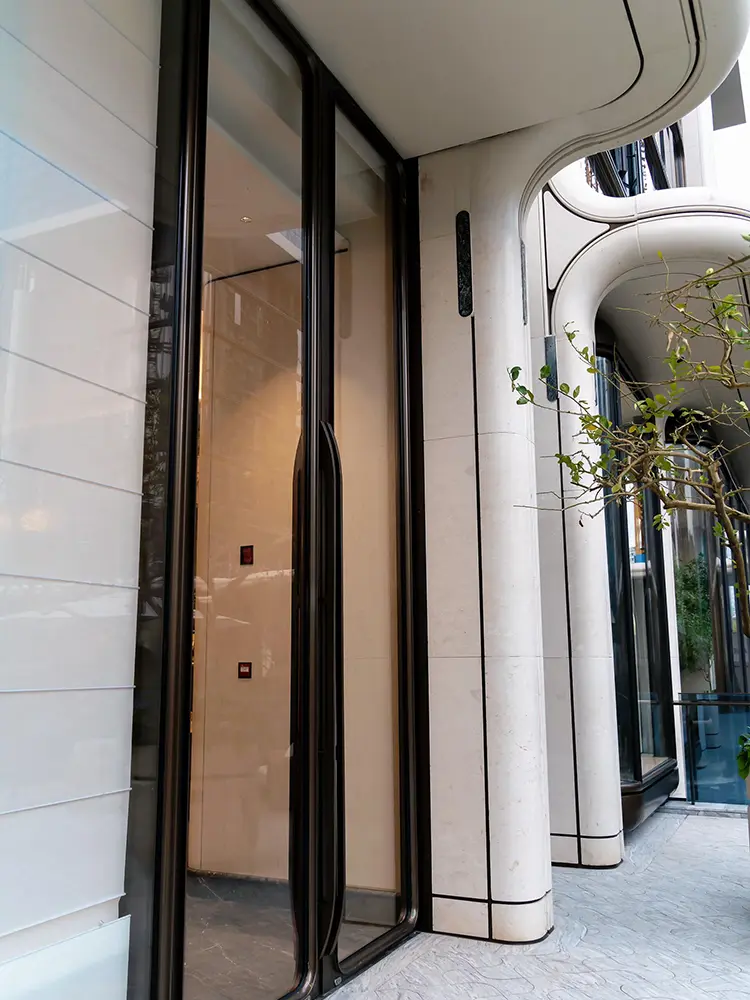
What affects custom welded aluminum panel price?
Custom welded aluminum panel price depends less on the word “aluminum” and more on the fabrication work behind the panel. A flat cut panel is usually simpler. A welded panel may need folding, corner welding, grinding, stiffeners, perforation, curved edges, surface treatment, coating, inspection, numbering, and stronger packing.
That is why two panels with the same material thickness can have very different quotations. One may be a simple flat panel. The other may be a deep box panel with welded corners, reinforced backs, visible edges, and a strict finish requirement.
This guide explains what buyers should check before asking for a price, why some welded aluminum panels cost more, and what information helps a supplier quote accurately without guessing.
Why welded aluminum panels are different from simple flat panels

A welded aluminum panel is used when the project needs a three-dimensional shape, deeper folded edges, special corners, box-type forms, column covers, sign bands, soffits, canopies, or irregular facade details. Welding is often used to close corners, connect folded parts, create shaped elements, or make the panel look clean from visible angles.
The work is more demanding because welding can affect surface flatness, corner appearance, grinding marks, coating quality, and final fit. If the design is not reviewed carefully, the panel may be hard to fabricate, hard to coat, or hard to install.
For this reason, a good quote should not only list area and thickness. It should show what fabrication work is included.
Main factors that change the price
| Price factor | Why it changes cost | What buyers should confirm |
|---|---|---|
| Panel size | Large panels need more material, more handling, and stronger flatness control | Width, height, folded edge depth, and installation direction |
| Thickness | Thicker aluminum can improve stiffness but increases material cost and weight | Thickness should match panel size, fixing method, and project requirement |
| Folded edge depth | Deep folds add processing time and may need better bending control | Edge depth, return direction, and visible corner details |
| Welding length | Longer or more complex welds require more labor and finishing | Which corners or seams need welding, and whether they are visible |
| Grinding and surface repair | Visible welded areas often need careful grinding before coating | Required appearance level after coating |
| Stiffeners and backing | Reinforcement reduces flatness risk but adds material and assembly work | Stiffener layout, fixing points, and panel back structure |
| Perforation or cutouts | Hole patterns, edge distance, and openings add CNC or punching work | Hole size, open area, pattern direction, and edge distance |
| Surface finish | PVDF, powder coating, metallic color, or wood grain have different process requirements | Color code, gloss, coating type, sample approval, and project environment |
| Packing | Welded shapes and coated corners are easier to damage during shipping | Protective film, corner protection, labels, pallets, or wooden cases |
When welding is useful, and when it may be avoidable
Welding is useful when the panel needs closed corners, a box shape, a clean visible return, curved or irregular geometry, or stronger formed edges. It is common in column covers, entrance features, canopy fascia, soffits, special wall cladding, and decorative facade elements.
But welding is not always needed. Some designs can be made by folding, riveting, stiffeners, or separate panel joints. If the welded seam is hidden or the shape can be split into smaller parts, the supplier may suggest a simpler method to reduce risk and cost.
For buyers, the question is not “welded or not welded” in general. The better question is: which seam must be welded, which seam can be folded, and which area will be visible after installation?
Why a low welded panel quote can be risky
A low quote may be fine if the design is simple and the scope is clear. It becomes risky when important work is missing from the quotation.
| Low quote risk | What may be missing | Why it matters later |
|---|---|---|
| Only material and cutting quoted | Welding, grinding, stiffeners, or packing excluded | The final cost rises after drawings are confirmed |
| No drawing review | Corner details, fixing points, and fold direction not checked | Panels may be hard to fabricate or install |
| No finish discussion | Coating, gloss, and sample approval unclear | Welded areas may look different after coating |
| No packing details | Corner protection or label system missing | Coated panels can be scratched, dented, or sorted slowly on site |
| No tolerance discussion | Large panels or deep boxes not reviewed | Flatness and fit problems may appear during installation |
If one supplier is much cheaper, ask what is included. Sometimes the lower price is a real saving. Sometimes it only means the quote leaves out the work that makes the panel usable.
Factory checks that matter before production
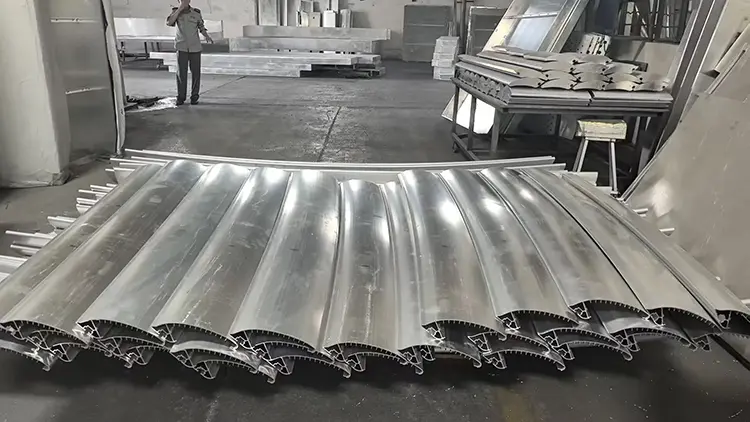
Custom welded panels should be checked before mass production, not after the panels are coated. Once a visible surface is coated, fixing a welding or grinding problem becomes more expensive.
Useful factory checks include:
- panel size and diagonal check;
- folded edge direction and depth;
- welding position and visible seam location;
- grinding marks before coating;
- stiffener position and fixing method;
- hanger or bracket location;
- surface condition before pretreatment;
- packing sequence and panel labels.
Likton can review these details for custom aluminum veneer, wall panels, soffits, column covers, perforated panels, curved panels, and other fabricated aluminum panel projects. The point is not to make a broad quality claim. The point is to reduce avoidable problems before production starts.
What drawings and details should you send for an accurate price?
A supplier can give a more useful quotation when the RFQ includes real project details. If some information is not final, mark it as “to be confirmed” instead of leaving the supplier to guess.
| RFQ information | Why it affects custom welded aluminum panel price |
|---|---|
| Elevation or shop drawings | Shows panel size, joint layout, fixing points, and visible areas |
| Panel list | Helps separate repeated panels from special shapes |
| Thickness requirement | Affects material cost, weight, stiffness, and fabrication |
| Folded edge depth | Changes bending work, strength, and corner detail |
| Welded corner or seam requirement | Controls labor, grinding, and appearance work |
| Surface finish and color code | Affects coating process and sample approval |
| Visible surface requirement | Helps judge how carefully welded areas must be finished |
| Quantity | Impacts material planning, setup time, and batch production |
| Project location and environment | Helps discuss coating and packing requirements |
| Packing and delivery destination | Changes protection method, labels, and export handling |
How design choices can control cost without weakening the project
Cost control does not always mean choosing thinner material. In many cases, the safer way is to simplify the design where it does not affect the visible result.
- Use repeated panel sizes where possible.
- Avoid unnecessary welded seams in hidden areas.
- Split very large or complex panels into installable sections.
- Confirm whether a folded corner can replace a welded corner.
- Keep perforation away from edges when the panel also needs bending.
- Approve color samples before mass production instead of changing finish later.
- Define packing and labels early to reduce site sorting problems.
The right supplier should help you find these practical savings. A cheaper quote is less useful if it creates flatness problems, coating repair, installation delays, or damaged panels during shipping.
Production process: why time and labor are part of the price

A custom welded aluminum panel order may include drawing review, material cutting, CNC processing, bending, welding, grinding, stiffener assembly, surface treatment, coating, inspection, packing, and loading. Each step adds time, and each step can affect the final appearance.
This is why a quotation should be read as a scope document, not just a price number. If the scope is clear, the buyer can compare suppliers fairly. If the scope is unclear, the cheapest number may not stay cheap.
FAQ
Can you give a fixed custom welded aluminum panel price per square meter?
A fixed universal price is usually not reliable because welding length, panel size, thickness, folded edge depth, finish, stiffeners, and packing can change the cost. A useful quote needs drawings or at least clear sizes and fabrication details.
Why do welded aluminum panels cost more than flat panels?
Welded panels usually need more labor, more finishing, more inspection, and more careful coating preparation. Visible welded corners may also need grinding and surface repair before coating.
Does thicker aluminum always solve flatness problems?
No. Thickness helps, but panel size, folded edge depth, stiffener layout, fixing points, and installation method also matter. A large panel can still wave if the structure is not reviewed properly.
Can perforated aluminum panels also be welded?
Some perforated panels can include welded or formed details, but hole size, open area, edge distance, and bending direction must be reviewed carefully. Perforation too close to an edge can create deformation risk.
What should I ask suppliers before comparing prices?
Ask whether the quote includes welding, grinding, stiffeners, coating, sample approval, packing, labels, accessories, and drawing review. Also confirm which items are excluded.
What is the best way to get an accurate quote?
Send drawings, panel sizes, thickness, folded edge details, welded seam locations, finish requirement, quantity, project location, packing requirement, and delivery destination. Photos can help, but they should not replace dimensions and drawings.
Practical next step
If you need a price for custom welded aluminum panels, send drawings, panel sizes, thickness, folded edge depth, welded corner details, finish requirement, quantity, and delivery destination. Likton can review the fabrication details and help clarify the quotation scope before production.