Which aluminum panel finish option should you choose?
Aluminum panel finish options should be chosen by project environment, design effect, cleaning access, color control, and quotation risk. For most architectural aluminum panels, buyers usually compare PVDF coating, powder coating, wood grain finish, anodized-look effects, metallic colors, and custom color matching.
The finish is not only about color. It affects exterior weather resistance, visual consistency, scratch visibility, maintenance, batch control, and how the building looks after installation. A good finish decision should match the real project condition, not only the sample that looks attractive in the office.
This guide explains the main finish choices for aluminum facade panels, ceiling panels, baffle ceilings, perforated panels, and decorative metal screens.
Quick comparison of common aluminum panel finishes
| Finish option | Where it is often used | What buyers should check |
|---|---|---|
| PVDF coating | Exterior facades, soffits, canopies, and harsh outdoor environments | Color sample, gloss, coating requirement, exposure, and project specification |
| Powder coating | Interior ceilings, protected areas, decorative panels, and some exterior applications depending on specification | Indoor/outdoor suitability, color consistency, surface texture, and scratch risk |
| Wood grain finish | Interior ceilings, commercial spaces, warm design themes, and some protected exterior areas | Grain direction, batch match, sample approval, and installation orientation |
| Metallic or anodized-look finish | Commercial facades, entrances, column covers, and modern building envelopes | Color variation, gloss, panel direction, lighting effect, and batch control |
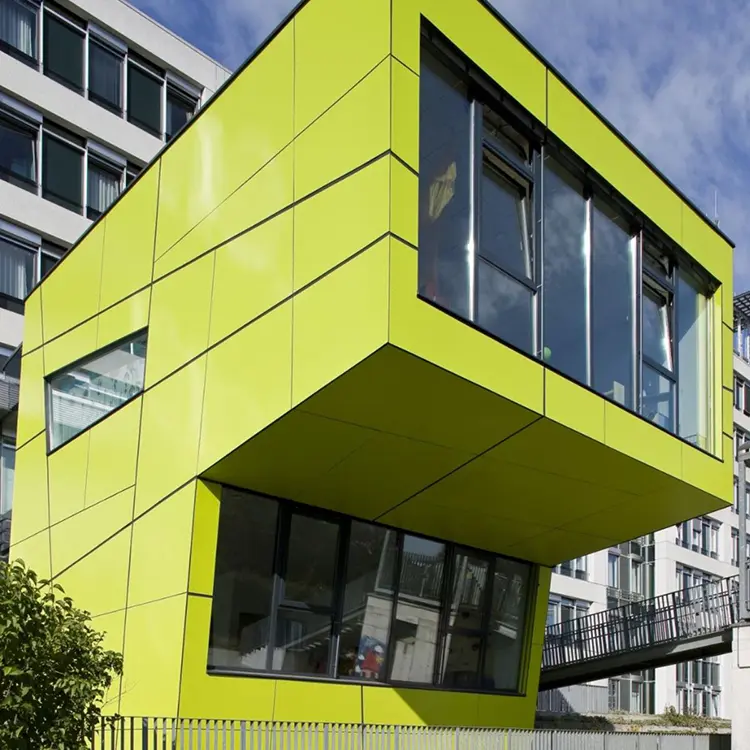
| Custom solid color | Schools, commercial buildings, public buildings, and brand-related facades | Color code, approval sample, repaint risk, and replacement panel matching |
| Perforated or patterned finish | Sunshade panels, screens, balustrades, ventilation panels, and decorative facades | Pattern direction, hole edge quality, coating coverage, and cleaning access |
PVDF coating: strong choice for exterior aluminum panels
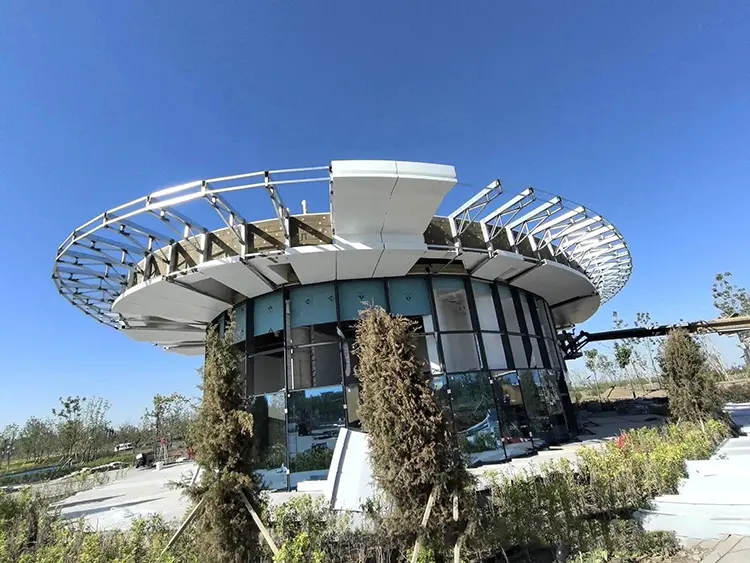
PVDF coating is commonly selected for exterior aluminum panels when UV exposure, rain, color stability, and long-term appearance are important. It is often used for building facades, curtain wall panels, soffits, column covers, and outdoor decorative panels.
Still, buyers should not treat the word PVDF as a complete specification. Ask for the coating requirement, approved color sample, gloss level, surface inspection method, and whether the project has any consultant or owner requirement. The project location also matters. Coastal, humid, high-UV, or polluted urban environments need more careful review.
PVDF is usually a better fit when the panel will face direct outdoor exposure. For interior ceilings or protected areas, another finish may be enough depending on the design and specification.
Powder coating: useful, but check the environment
Powder coating is widely used for aluminum panels because it can offer many colors and surface textures. It is often used for interior ceiling panels, baffle ceilings, wall panels, decorative screens, and protected architectural areas.
The key question is not whether powder coating is good or bad. The question is where the panel will be used. If the project is fully exterior, exposed to strong sun, rain, salt, or pollution, the specification should be checked carefully before choosing powder coating.
For buyers, the practical checks are simple: confirm the project environment, required color, gloss, texture, sample approval, and whether the finish is suitable for the installation location.
Wood grain finish: attractive, but direction control matters
Wood grain aluminum panels are often chosen when the designer wants a warmer appearance without using natural wood. They can be used in ceilings, corridors, commercial interiors, wall cladding, and some protected exterior areas when the specification allows it.
The main risk is direction and batch consistency. If some panels are installed in the wrong direction, the grain may look broken. If replacement panels are ordered later, the color or grain may not match exactly.
Before production, confirm the grain direction on drawings, mark panel orientation, approve a physical sample, and check whether all panels should be produced in the same batch.
Metallic, copper, and anodized-look finishes
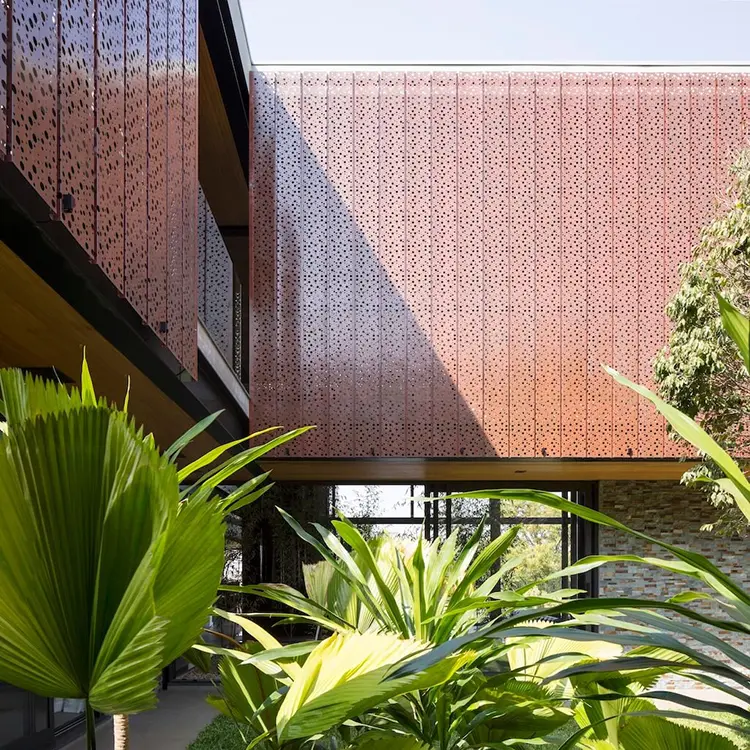
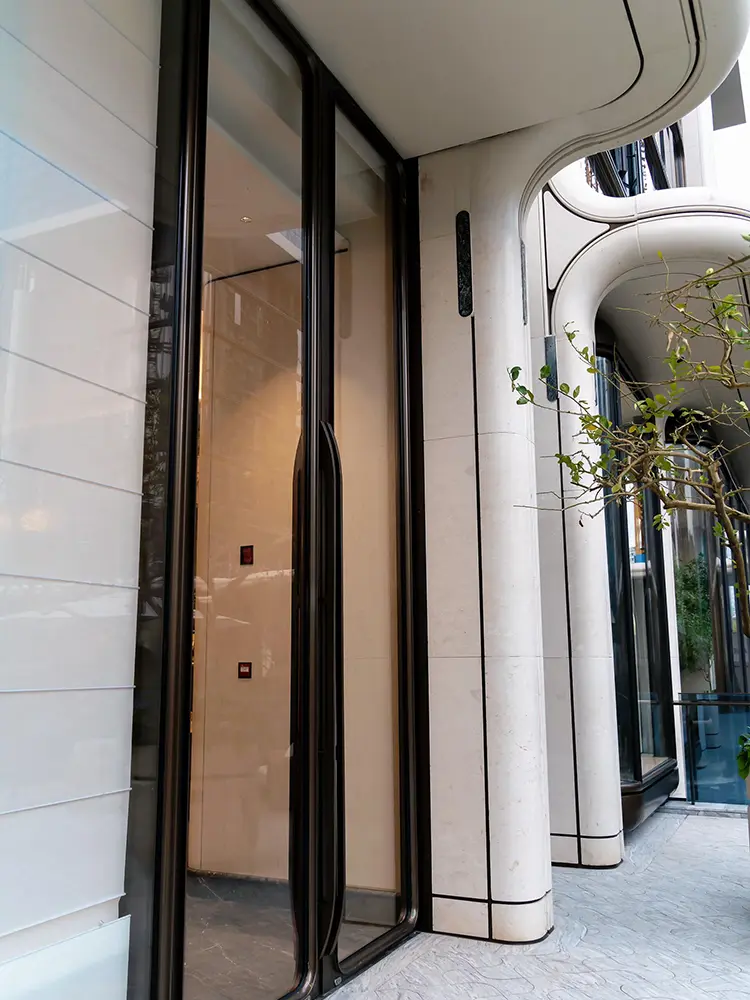
Metallic, champagne, silver, bronze, copper, and anodized-look finishes are often used when the project needs a stronger architectural effect. They can work well on entrances, perforated screens, column covers, commercial facades, and decorative wall panels.
These finishes need careful sample approval because lighting changes the visual effect. A panel may look different under direct sun, shade, warm indoor light, or cloudy weather. Large flat panels can also show color direction more clearly than small samples.
If the project uses metallic or copper-color panels, ask whether panel direction, batch control, and replacement panel matching have been considered.
How finish choice affects price and quotation
Finish choice can affect the quotation, but there is no universal price that works for every project. Cost depends on coating type, color, gloss, quantity, panel size, thickness, surface complexity, sample requirements, and whether special colors need additional approval.
| Cost factor | Why it changes the quote |
|---|---|
| Coating type | PVDF, powder coating, wood grain, and special metallic finishes may use different processes |
| Custom color | Non-standard colors may need sample matching and approval time |
| Gloss and texture | Different surface effects may require more control during production |
| Panel shape | Curves, deep folds, welding, and perforation can affect coating and handling |
| Batch quantity | Small quantities may have different setup and sample costs than larger batches |
| Replacement risk | Projects that need future matching should plan batch records and sample retention |
A low quote may be risky if it does not state the coating type, color code, sample approval method, packing protection, or surface inspection standard. Buyers should compare quote scope, not only unit price.
Finish selection checklist for buyers
Before confirming aluminum panel finish options, prepare these details:
- Project location and whether the panels are exterior, interior, or protected.
- Panel application: facade, soffit, ceiling, screen, column cover, canopy, or wall cladding.
- Color code or reference sample.
- Gloss level, texture, metallic effect, or wood grain direction.
- Required coating type if already specified by the consultant.
- Panel size, shape, perforation, folding, welding, or curved areas.
- Expected cleaning access and maintenance environment.
- Whether future replacement panels may be needed.
Likton can review these points before production. For custom aluminum panels, finish choice should be checked together with fabrication details because bending, welding, perforation, and handling can affect surface requirements.
Common finish mistakes
Choosing by sample only
A small sample does not always show how a full facade will look. Large panels, curved areas, metallic finishes, and strong sunlight can change the visual effect.
Ignoring panel direction
Wood grain, brushed effects, metallic colors, and patterned panels may need a fixed direction. Direction marks should be included in the panel label system.
Mixing batches without control
Even when the same color code is used, different batches can look slightly different. For visible facade areas, batch planning and sample approval are important.
Using exterior finishes without checking cleaning access
Dust, rain marks, salt, and pollution can affect appearance. Horizontal ledges, perforated panels, and deep grooves may need more cleaning attention.
Comparing quotes without finish details
A quote that says only “painted aluminum panel” is not enough. It should clarify coating type, color, gloss, surface requirement, sample approval, and packing protection.
Image and sample approval should happen before mass production
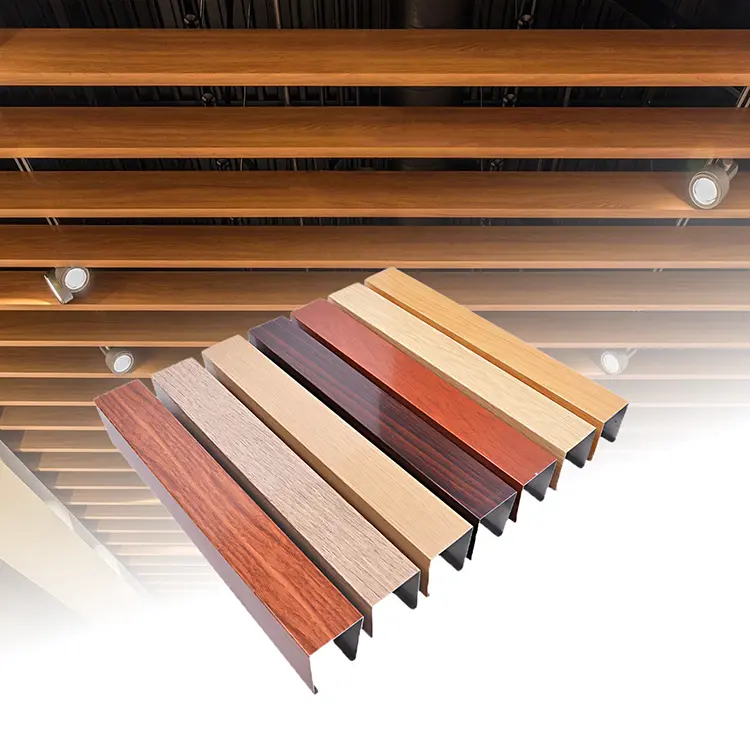
For important projects, sample approval is not a formality. It is a risk-control step. Ask for a physical sample or project sample when the finish is visible, custom, metallic, wood grain, or difficult to replace later.
The approved sample should be kept as a reference for production, inspection, and future communication. If the project has many areas or phases, it is also useful to keep batch records and color reference photos.
FAQ
What is the best finish for exterior aluminum facade panels?
PVDF coating is commonly selected for exterior aluminum facade panels where UV exposure, rain, and long-term color appearance are important. The final choice should follow the project environment and specification.
Is powder coating suitable for outdoor aluminum panels?
It can be suitable for some applications, but the project environment and specification must be checked. Exposed exterior projects often need stricter coating review than interior or protected areas.
Can aluminum panels be made with wood grain finish?
Yes. Wood grain aluminum panels are often used for ceilings, walls, commercial interiors, and some protected areas. Grain direction and batch consistency should be confirmed before production.
Why do metallic finishes sometimes look different after installation?
Metallic finishes can change visually under different lighting, viewing angles, and panel directions. Large panels may show this more clearly than small samples.
What information is needed for a finish quotation?
Prepare the coating type, color code, gloss, texture, panel size, quantity, application area, project environment, and any sample approval requirements.
How can color mismatch be reduced?
Approve a physical sample, control production batch, mark panel direction, avoid mixing visible areas from different batches when possible, and keep records for future replacement panels.
Practical next step
If you are comparing aluminum panel finish options, send the project location, application area, color code or reference sample, coating requirement, panel drawings, quantity, and delivery destination. Likton can review the finish choice together with fabrication details, sample approval, packing, and quotation scope before production.