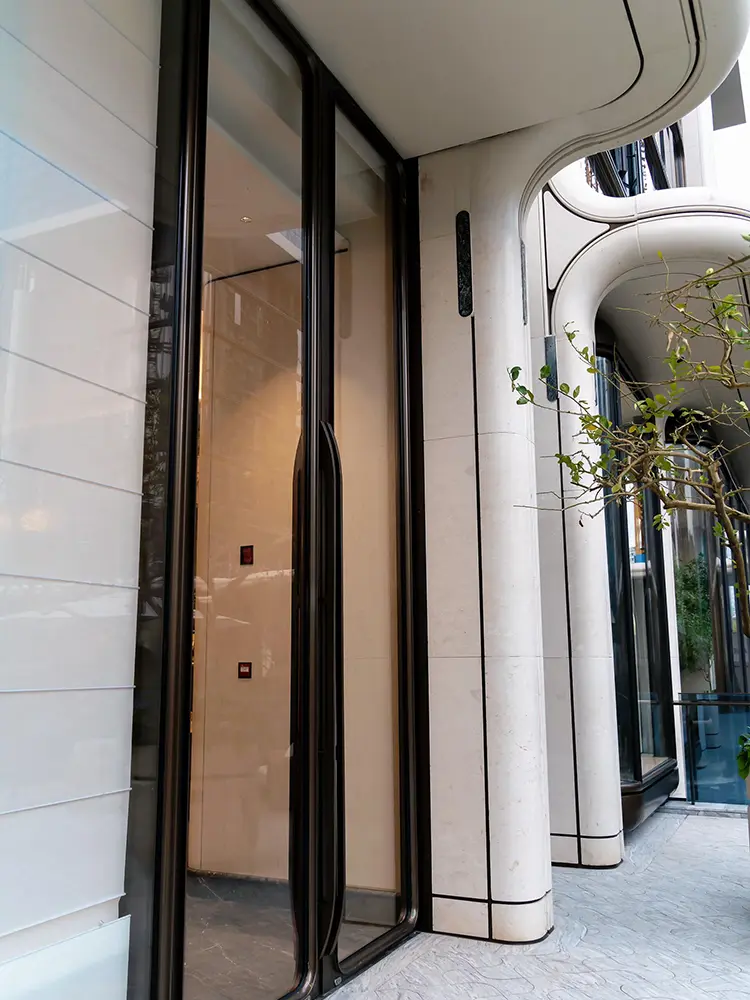
If you are asking about thick aluminum panel price per square meter, the short answer is simple: there is no fixed number that fits every project.
For custom solid aluminum panels, the quote usually changes with panel thickness, panel size, folded edge depth, reinforcement, surface finish, fabrication difficulty, order quantity, packing method, and delivery destination. A flat panel for an indoor feature wall and a large exterior panel with stiffeners are not the same product, so they should not be priced the same way.
If you want a useful quote, start with the project details instead of asking only for a square meter price.
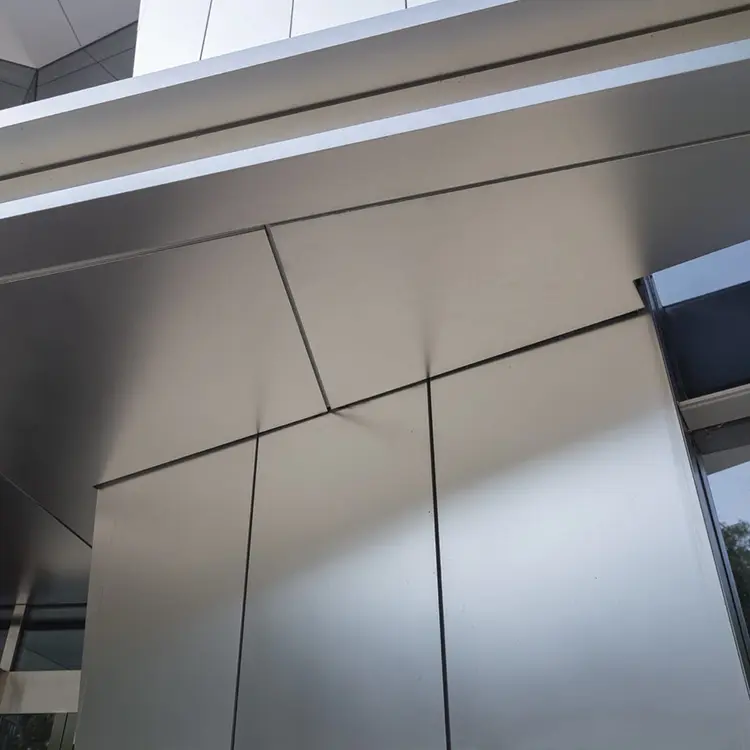
What buyers usually mean by thick aluminum panel
In practice, buyers use this search in different ways:
- a solid aluminum wall panel with a thicker sheet;
- an exterior facade panel that needs better flatness or stiffness;
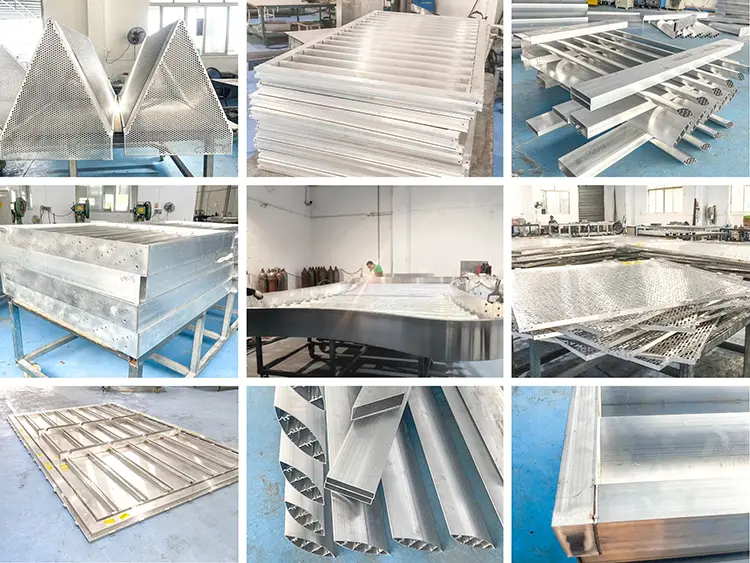
- a custom fabricated panel with folded edges or stiffeners;
- a price check before sending drawings to suppliers.
That is why this keyword is commercial. The reader is not just learning a definition. They want to know what will change the quotation.
What actually changes the price
The biggest mistake is to compare panels by thickness alone. Thickness matters, but it is only one part of the total cost.
| Cost driver | Why it changes the quote | What to confirm |
|---|---|---|
| Thickness | More material usually means higher cost and more weight | Exact thickness, tolerance, and whether the panel is solid sheet or fabricated panel |
| Panel size | Large panels need more careful cutting, bending, and handling | Width, height, and whether the size is standard or custom |
| Folded edge depth | Deep folds improve stiffness but add fabrication work | Fold depth, return edge details, and edge direction |
| Stiffeners | Back reinforcement helps large panels stay flat | Stiffener shape, spacing, and welding method |
| Surface finish | PVDF, powder coating, anodized, or custom finish can change cost | Finish type, gloss, color code, and sample approval |
| Fabrication complexity | Curves, perforation, welding, and special corners add labor | Drawings, corner details, hole pattern, and open area |
| Quantity | Small orders usually cost more per square meter | Order volume, repeated sizes, and batch consistency |
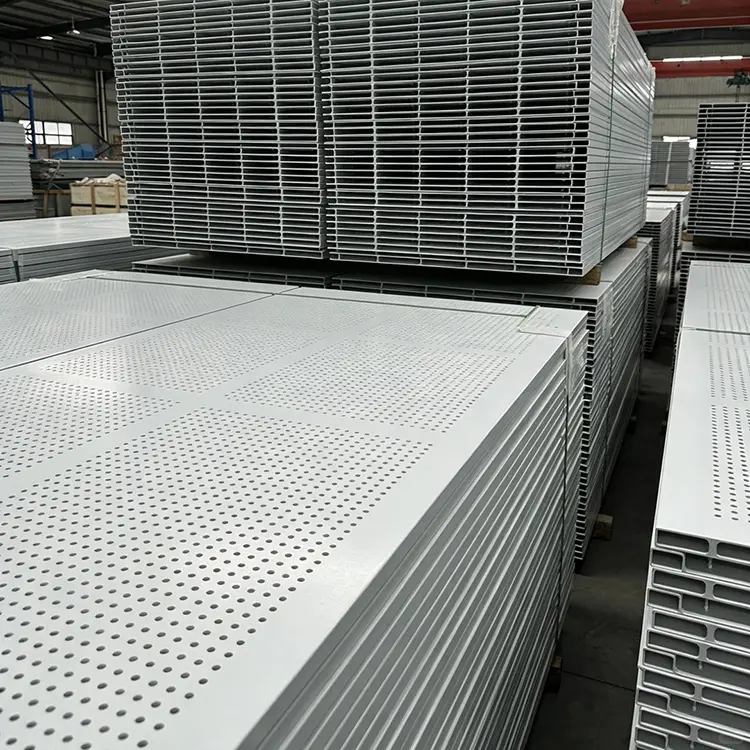
| Packing and shipping | Export packing, crate design, and route affect landed cost | Destination, loading method, and protection requirements |
Why thickness alone can mislead you
A thicker panel is not always the better value.
For example:
- a thick panel with a weak structure may still wave or deform after installation;
- a slightly thinner panel with proper folds and stiffeners may perform better in the real project;
- a large exterior panel often needs stiffness and fixing design more than extra material only.
So the right question is not only "how thick is it?" The better question is "what thickness, fold, and reinforcement suit this panel size and this facade?"
The details that matter most in a real quote
If you want a serious supplier to price the project properly, send these details first:
- Panel drawing or simple sketch.
- Material type and thickness.
- Panel size and quantity.
- Folded edge depth.
- Surface finish and color code.
- Whether the panel is flat, curved, perforated, or welded.
- Installation method if already decided.
- Delivery destination.
Without these details, suppliers often give only a rough estimate. A rough estimate may help for early budgeting, but it is not enough for ordering.
When a low quote is risky
The cheapest price is not always the safest choice.
Watch out when a quote is much lower than the others but the supplier does not explain:
- the exact thickness used;
- whether folds or stiffeners are included;
- whether coating thickness and color control are included;
- whether packing is export-safe;
- whether drawings were checked before pricing;
- whether after-sales responsibility is clear.
Sometimes the low number comes from missing items, not from real savings. That is a common problem in custom metal work.
How Likton usually approaches this kind of project
For custom thick aluminum panels, the useful work starts before production.
Likton can review:
- panel size and proportion;
- folded edge layout;
- reinforcement needs;
- coating and color control;
- manufacturing difficulty;
- packing and shipping protection.
This matters because a good quote is not just about material cost. It is also about whether the panel can be fabricated cleanly and installed without surprises.
If you only want a quick budget number
That is fine for the first step, but keep the budget note separate from the final order.
A rough budget estimate should be treated as:
- a planning number;
- not a final purchase price;
- not proof that the design is ready;
- not a replacement for drawing review.
If the project later changes in size, finish, or fixing method, the price can change too.
Quote checklist for thick aluminum panels
Before you ask for a final quotation, prepare this list:
- project application;
- panel thickness;
- panel size;
- quantity;
- finish type;
- color reference;
- edge/fold detail;
- stiffener requirement;
- special shaping or welding;
- installation location;
- delivery port or address;
- deadline for sample or production.
The more complete the brief, the more useful the price will be.
Common mistakes buyers make
1. Asking only for price per square meter
This is too vague for custom work. The number may be meaningless without the drawing.
2. Choosing thickness only by habit
The panel shape and fixing method may matter more than adding material.
3. Ignoring the back structure
Large panels often need more than a flat sheet. Reinforcement can be the difference between a stable facade and a weak one.
4. Comparing quotes with different scopes
One supplier may include coating, packing, and reinforcement. Another may not. Those quotes are not equal.
FAQ
1. Is there a standard thick aluminum panel price per square meter?
No single standard price fits all projects. It depends on thickness, size, finish, fabrication, quantity, and shipping.
2. Does thicker always mean better?
No. Better panel performance depends on thickness plus fold depth, reinforcement, and fixing design.
3. Can I get a quick estimate without drawings?
Yes, but it is only a rough budget number. It is not a final quotation.
4. What information helps the supplier price faster?
Thickness, size, quantity, finish, color, edge detail, and installation destination.
5. Why do two quotes look very different?
Usually because the scope is different. One quote may include more fabrication, better coating control, or better packing.
Final note
If you are preparing a project quotation, send the drawings, panel size, thickness, finish, quantity, and delivery destination. A supplier can only give a useful price when the scope is clear.
Likton can help review the panel details before production so the quotation reflects the real project, not a guess.